Por Innocent Grant, miembro de la Secretaría del ICFP y copresidente del Subcomité de Juventud
Históricamente, la Conferencia Internacional sobre Planificación Familiar (ICFP) organiza la preconferencia juvenil como un espacio en el que los jóvenes líderes se reúnen para debatir abiertamente sobre los temas que más les preocupan. Estos encuentros son más que simples reuniones; son plataformas para el intercambio de conocimientos, la clarificación de valores sobre temas delicados y el intercambio cultural. La ICFP siempre ha concedido gran importancia a la creación de espacios en los que puedan prosperar el establecimiento de contactos y el aprendizaje intercultural.
En qué se diferenció la Cumbre de la Juventud de 2025
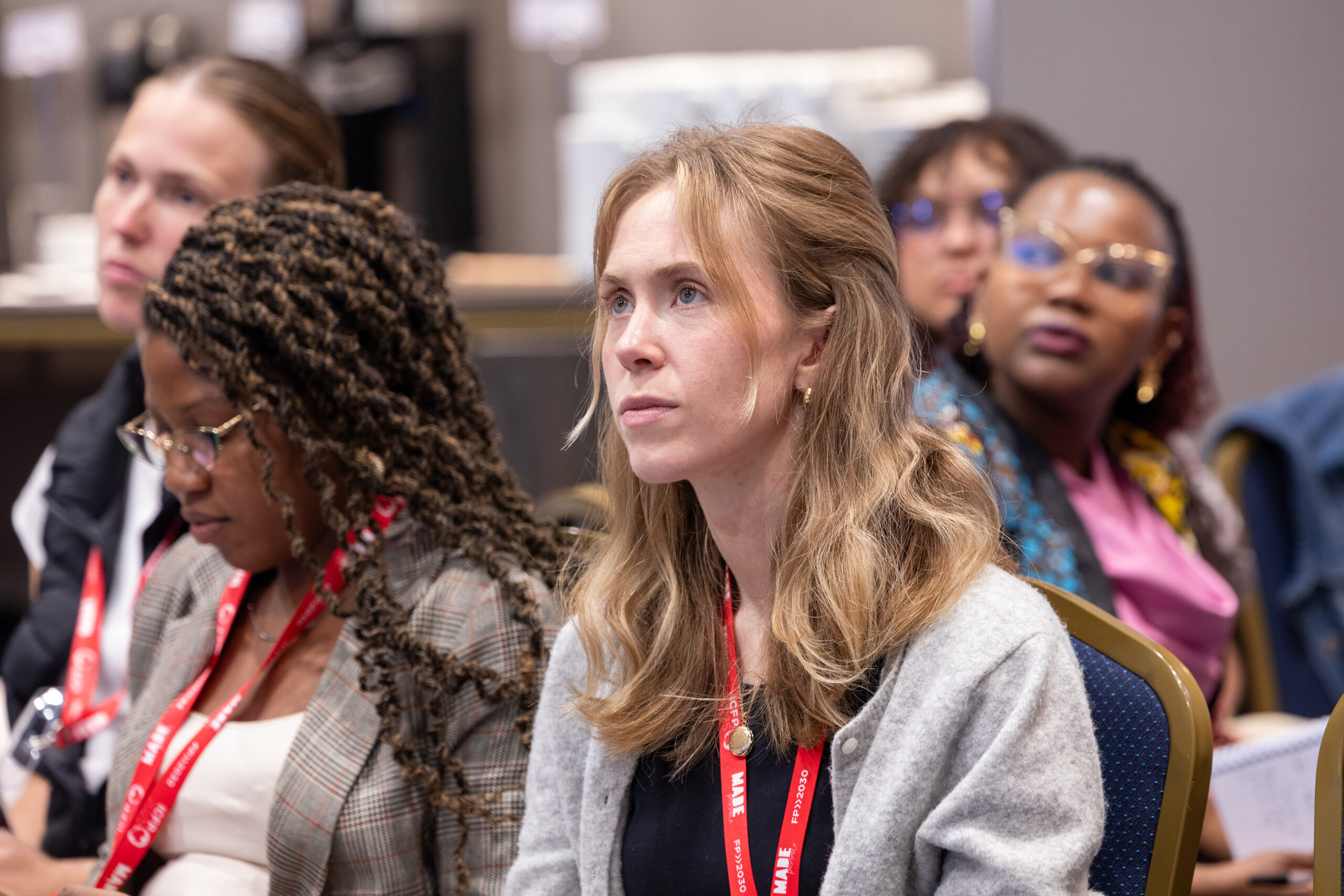
En 2025, esta misión era más firme que nunca. La preconferencia juvenil pasó a denominarse Cumbre Juvenil, un cambio que puede parecer sencillo, pero que simboliza algo mucho más deliberado. El cambio de nombre refleja un espacio más dinámico y diferenciado donde la educación, el intercambio de conocimientos y el intercambio cultural se unen de una manera más integrada.
La cumbre fue coordinada por los copresidentes juveniles del ICFP con un objetivo claro: mostrar cómo se desarrolla la práctica de la ideación cuando se cuenta con una colaboración intergeneracional significativa.
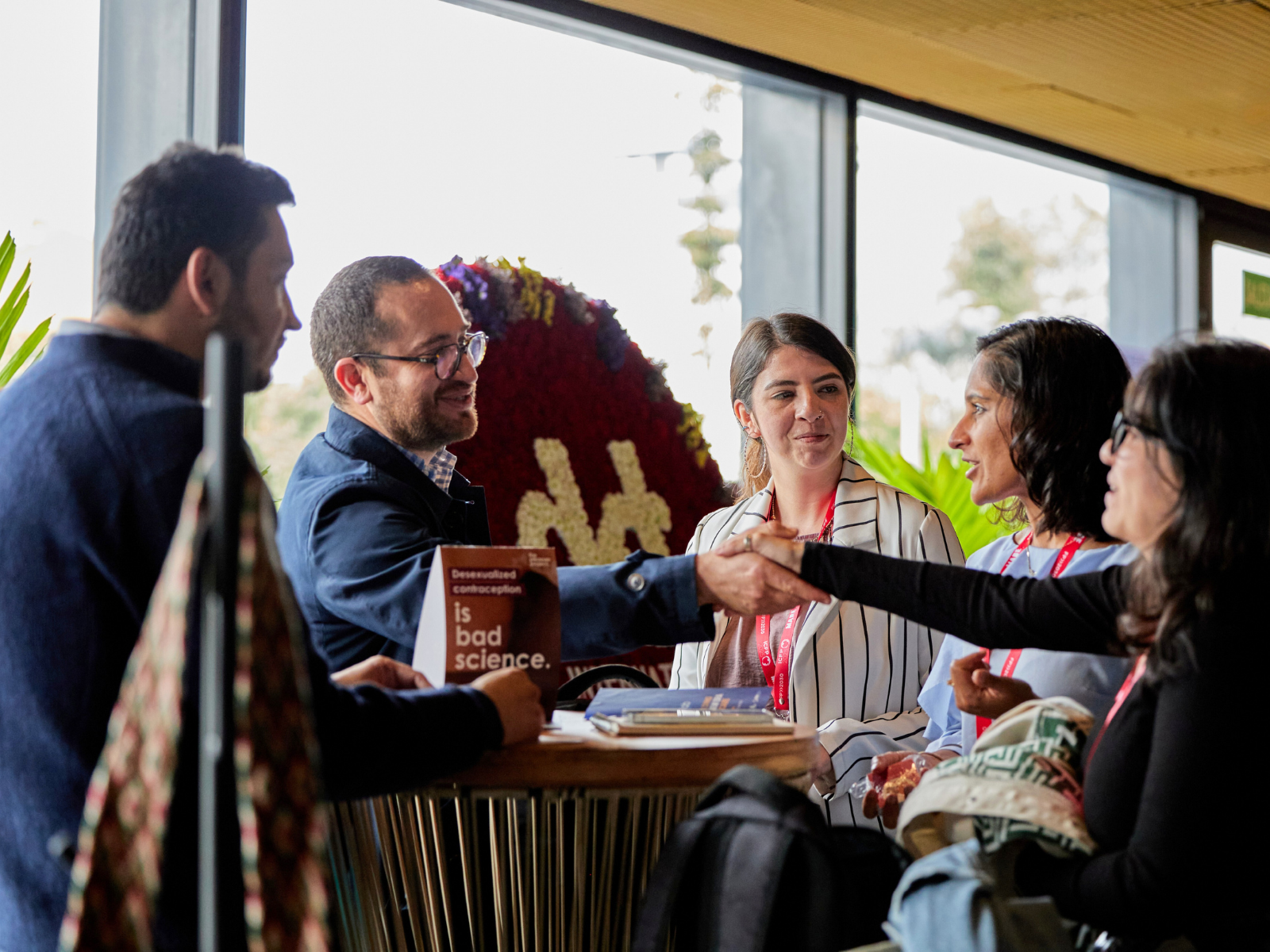
La Cumbre no fue diseñada únicamente por jóvenes. Reunió tanto a jóvenes líderes como a aliados de otras edades, que trabajaron codo con codo para crear conjuntamente una experiencia intergeneracional. La idea era construir un espacio dinámico en el que se generaran ideas y soluciones de forma colectiva. El primer día, el Liderazgo de la Hoja de Ruta Global de Acción (GRA) para la salud y los derechos sexuales y reproductivos de adolescentes y jóvenes (AYSRHR) moderó sesiones de trabajo que sirvieron como plataformas de generación de ideas, y el segundo día, los Jóvenes Pioneros de la ICFP 2025 dirigieron las sesiones de trabajo. Las sesiones plenarias contaron con la participación tanto de jóvenes líderes como de altos cargos de organizaciones internacionales y de la ONU, creando un espacio propicio para el diálogo intergeneracional.
También me gustaría expresar mi reconocimiento y mi agradecimiento a los socios que han apoyado la Cumbre de la Juventud. No cabe duda de que se necesitan urgentemente encuentros como este: espacios en los que las voces de los jóvenes no solo se escuchen, sino que sean el centro de atención.
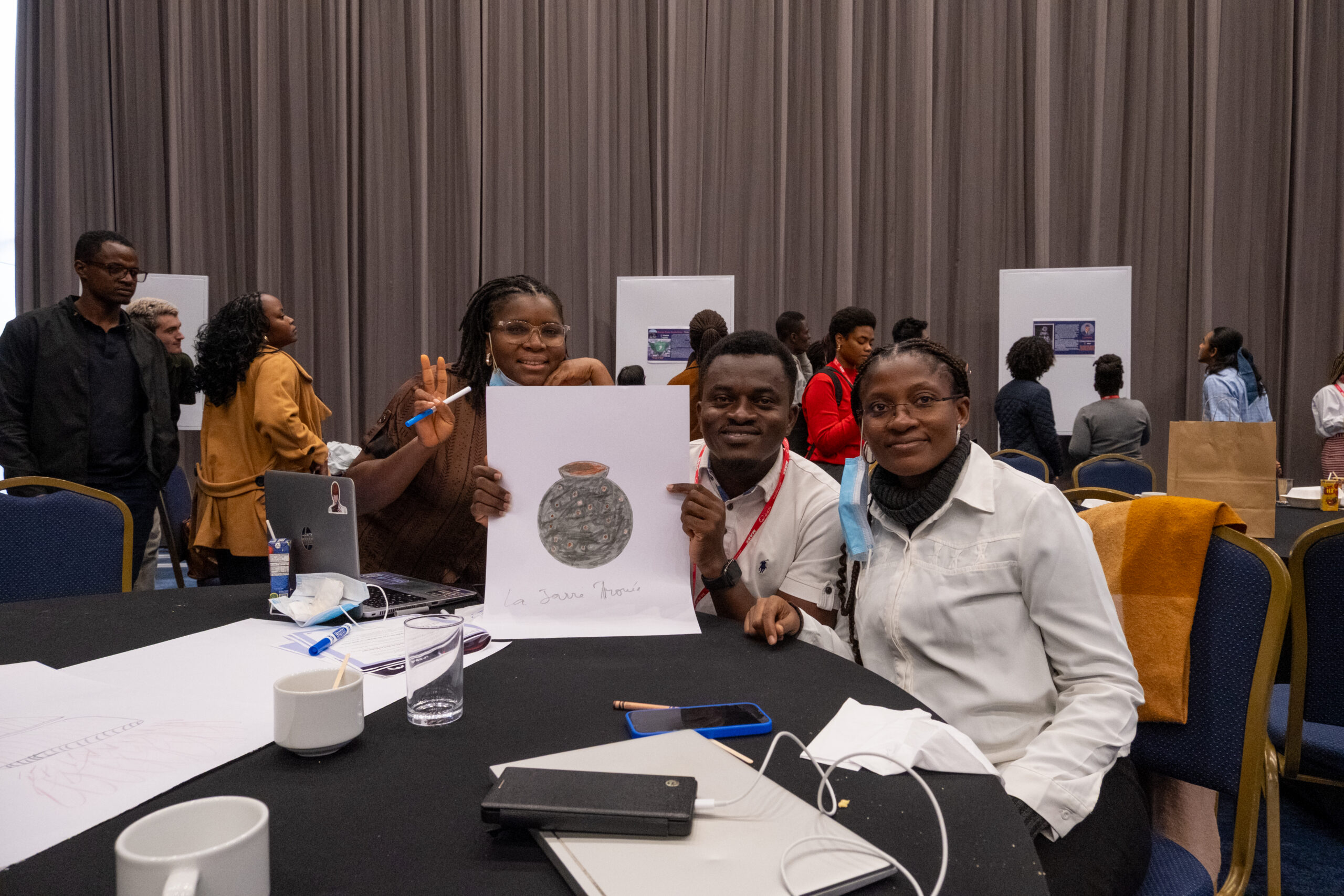
Las diez mejores ideas
En las semanas posteriores a la Cumbre, recopilamos y analizamos los resúmenes de las conversaciones, con el objetivo de identificar las ideas más destacadas que surgieron. Un mensaje quedó claramente de manifiesto: la necesidad de involucrar de manera significativa a los jóvenes en todos los espacios de toma de decisiones y de garantizar que cuenten con la financiación adecuada para impulsar la innovación. También observamos el importante papel que desempeña «Arts for Advocacy» (Arts4Advocacy), en particular la música y la ilustración, como herramienta para la participación y el cambio.
A continuación se presenta un resumen de las diez ideas principales que están impulsando los jóvenes participantes y los aliados adultos. Haz clic en los signos de más (+) situados a la derecha de cada idea para obtener más información.
1. Dar prioridad al conocimiento indígena y a las realidades vividas en el ámbito de la salud y los derechos sexuales y reproductivos y la acción climática
Los jóvenes hicieron hincapié en que las soluciones relacionadas con el clima y la salud y los derechos sexuales y reproductivos deben integrar los sistemas de conocimiento indígenas, apoyar a las comunidades apátridas y desplazadas, y evitar las prácticas de investigación extractivas. Los jóvenes indígenas deben disponer de plataformas para liderar la defensa de sus derechos, diseñar intervenciones e influir en las políticas.
2. Integrar los indicadores sobre la violencia de género y los basados en los derechos en todos los programas de salud y derechos sexuales y reproductivos
Los jóvenes pidieron que los programas de salud y derechos sexuales y reproductivos incluyeran indicadores sobre la violencia de género, medidas que tengan en cuenta la discapacidad y planes de acción de género, especialmente en regiones en crisis y afectadas por el cambio climático. Se destacó que el fortalecimiento de los sistemas de seguimiento basados en los derechos es esencial para la equidad y la rendición de cuentas.
3. Utilizar la empatía, la narración de historias y el «Photo-Voicing» como herramientas clave de documentación y defensa
Los informes han vuelto a poner de manifiesto que las historias son datos. La narración de historias, los testimonios, las narrativas digitales y las metodologías de «foto-voz» contribuyen a humanizar las cuestiones relacionadas con la salud y los derechos sexuales y reproductivos, y fomentan el compromiso emocional. Los jóvenes consideran que la empatía no es una simple «habilidad social», sino un requisito fundamental para el diseño de programas y la influencia en las políticas.
4. Invertir en jóvenes emprendedores y proporcionar financiación flexible y a largo plazo
A lo largo de las sesiones, los jóvenes instaron a invertir en organizaciones dirigidas por jóvenes, en innovadores y en emprendedores de base comunitaria. Destacaron la necesidad de contar con una financiación básica accesible y plurianual, así como con apoyo para las redes juveniles existentes que ya gozan de la confianza de la comunidad y tienen un amplio alcance. Los jóvenes líderes también hicieron hincapié en que los financiadores deberían identificar a los jóvenes que ya participan en actividades emprendedoras relacionadas con la salud y los derechos sexuales y reproductivos, invertir en su trabajo y forjar alianzas con ellos. Se señaló que los mecanismos de financiación colectiva impulsados por la comunidad constituyen un objetivo especialmente prometedor para la ampliación de estas iniciativas.
5. Establecer alianzas intergeneracionales basadas en el reparto de responsabilidades y la rendición de cuentas
Los jóvenes imaginan modelos de colaboración en los que la toma de decisiones sea una responsabilidad compartida entre los jóvenes y las personas mayores. Para lograr una inclusión significativa, una reforma del sistema y resultados comunes en materia de defensa de los derechos, es necesaria una colaboración intergeneracional genuina, y no solo una participación simbólica. Los jóvenes destacaron algunos modelos de buenas prácticas, como la Red IBP, la Colaboración para la Defensa y la Rendición de Cuentas (TAAC) y la «ola juvenil» del Centro FP2030 de América Latina y el Caribe, como plataformas que ya están poniendo en práctica una colaboración intergeneracional significativa.
6. Potenciar la alfabetización digital y las plataformas digitales seguras para el aprendizaje en materia de salud y derechos sexuales y reproductivos
Desde la recopilación de pruebas hasta la educación comunitaria, las herramientas digitales son esenciales. Los jóvenes destacaron la necesidad de formación en alfabetización digital, protocolos de ciberseguridad y herramientas adaptadas a dispositivos móviles que lleguen a los grupos desfavorecidos, minimizando al mismo tiempo la desinformación y la exclusión digital.
7. Fomentar las alianzas intersectoriales que conecten el clima, la salud, la educación, las comunidades religiosas y los innovadores del sector privado
Los jóvenes hicieron hincapié en que la salud y los derechos sexuales y reproductivos no son un tema aislado. Hicieron un llamamiento a establecer alianzas integrales y multisectoriales que conecten la adaptación al cambio climático, la prevención de la violencia de género, la inclusión de las personas con discapacidad, las comunidades religiosas y los innovadores del sector privado para hacer frente a las complejidades del mundo real.
8. Desarrollar iniciativas impulsadas por los jóvenes para traducir los datos empíricos en acciones concretas, aprovechando las alianzas con comunidades religiosas y artistas
Los jóvenes hicieron hincapié en la necesidad de contar con mecanismos prácticos y culturalmente pertinentes que permitan traducir los datos empíricos en cambios en los programas y las políticas. En general, se hizo hincapié en el fortalecimiento de alianzas no tradicionales, como las que se establecen entre jóvenes líderes y comunidades religiosas, y las que se crean entre investigadores, responsables de programas o responsables políticos en materia de salud y derechos sexuales y reproductivos, y artistas.
9. El autocuidado debe ampliarse e integrarse como un enfoque fundamental impulsado por los jóvenes en los ámbitos del VIH y la planificación familiar, y no tratarse como una intervención secundaria
Se hace hincapié en que el autocuidado no es solo un conjunto de herramientas, sino un modelo basado en los derechos y centrado en los jóvenes que refuerza la autonomía, la confidencialidad y el acceso a la prevención y el tratamiento del VIH, así como a la planificación familiar. Los participantes pidieron modelos de prestación de servicios integrados que combinen enfoques comunitarios, presenciales y digitales (incluidas herramientas digitales sin conexión y chatbots), así como la incorporación del autocuidado en las políticas gubernamentales oficiales y los sistemas de salud. Un aspecto fundamental de esta idea es el reconocimiento de que los jóvenes, especialmente aquellos que se enfrentan al estigma, la discapacidad, la pobreza o la marginación, deben ser diseñadores, líderes y ejecutores, y no meros receptores pasivos de los servicios.
10. Es fundamental la participación activa y temprana de las organizaciones dirigidas por jóvenes en contextos frágiles y humanitarios
Estas organizaciones ya trabajan en el ámbito de la salud y los derechos sexuales y reproductivos, pero siguen sin recibir el reconocimiento ni el apoyo que merecen. Es necesario identificar y reforzar de forma deliberada su capacidad para que cuenten con los conocimientos y las herramientas necesarios en situaciones de emergencia, lo que incluye comprender y prestar los paquetes mínimos de servicios iniciales (MISP) a las poblaciones en situación de riesgo.
Este enfoque también reconoce el papel fundamental que pueden desempeñar las organizaciones dirigidas por jóvenes en la configuración de los sistemas de salud de emergencia de base comunitaria. Al apoyarlas para que lideren e innoven —ya sea mediante mecanismos de alerta temprana, modelos de respuesta localizados o soluciones impulsadas por la comunidad—, pueden contribuir a crear sistemas más receptivos e inclusivos y ayudar a reducir los resultados desfavorables en materia de salud y derechos sexuales y reproductivos en contextos humanitarios.
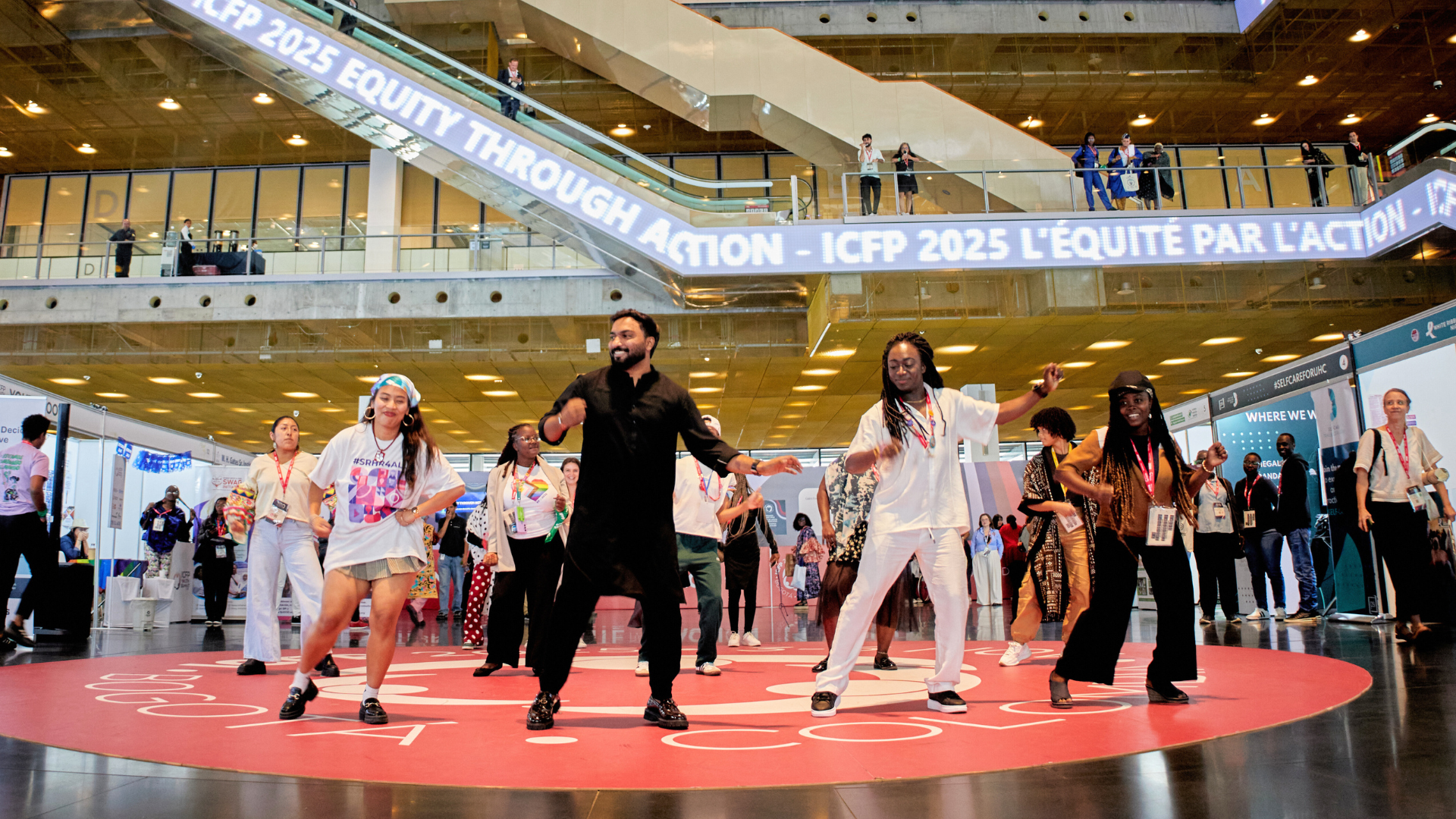
Así que la pregunta ahora es: ¿cómo llevamos adelante estas ideas, juntos?
Los miembros del Subcomité de la Juventud, junto con otros líderes, están deseosos de colaborar con socios y partes interesadas para hacer realidad estas ideas. Aunque algunas de ellas pueden no ser del todo nuevas, la Cumbre de la Juventud las ha potenciado, basándolas en experiencias reales de las comunidades, donde los jóvenes ya las han puesto a prueba y han visto resultados prometedores.
Animamos a todas las personas que participan en la planificación y organización de encuentros sobre salud y derechos sexuales y reproductivos (SRHR) y otros encuentros sobre salud mundial a que reflexionen sobre estas diez ideas y sobre cómo integrar algunas de las estrategias y enfoques de la Cumbre Juvenil de la ICFP.