
About ICFP
A Global Community, Movement, & Platform Advancing Sexual and Reproductive Health and Rights for All
What is ICFP?
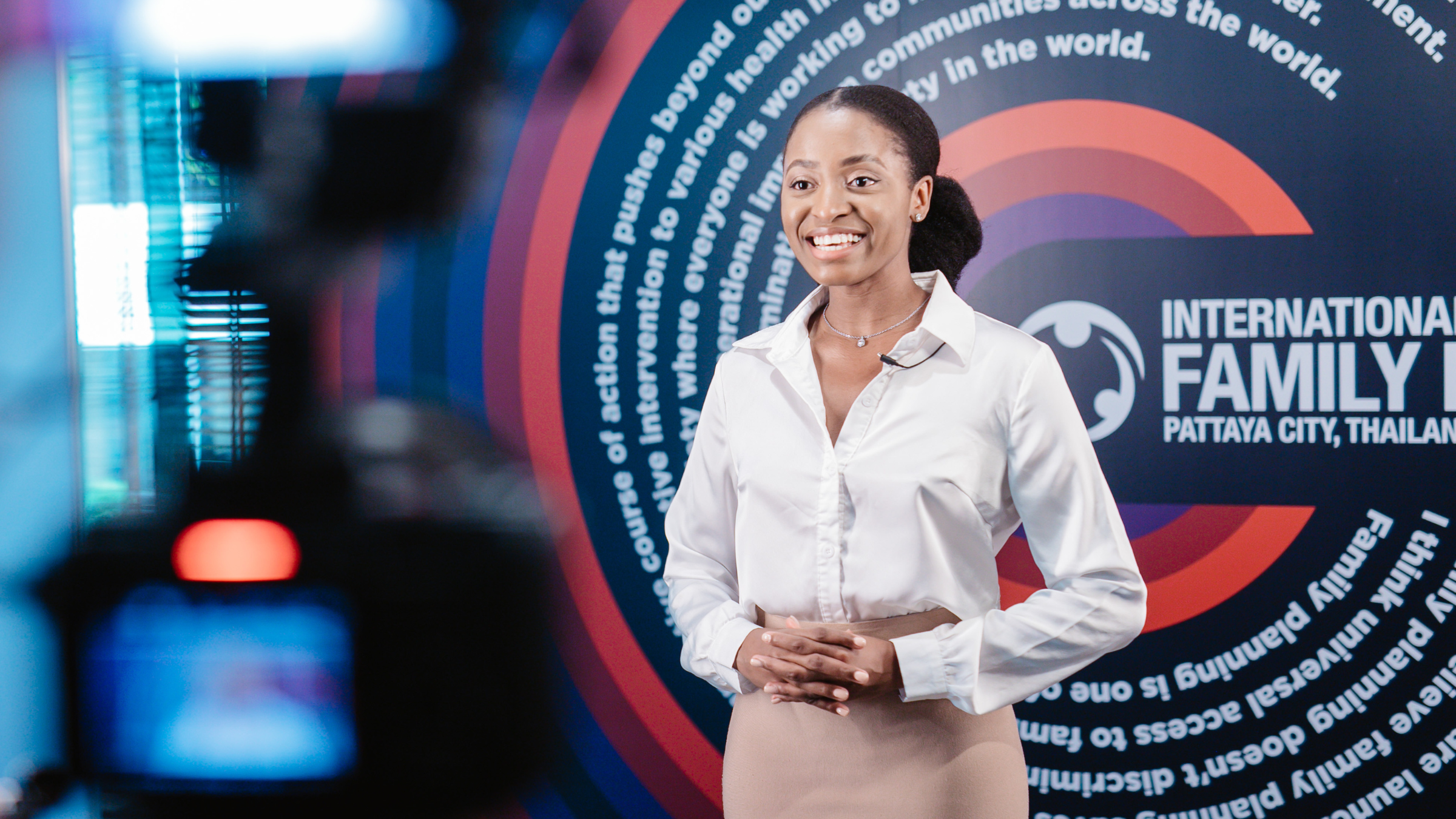
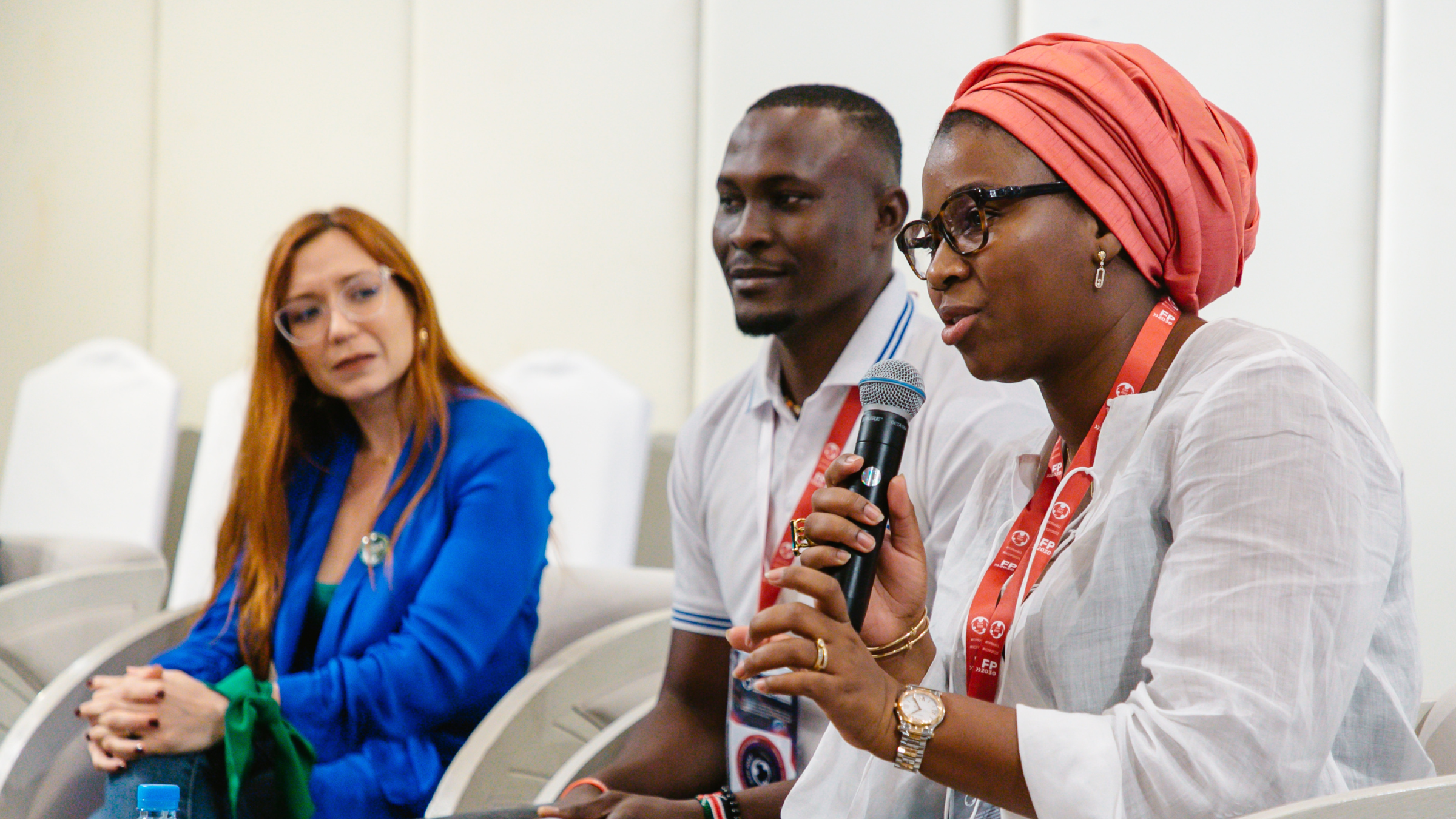
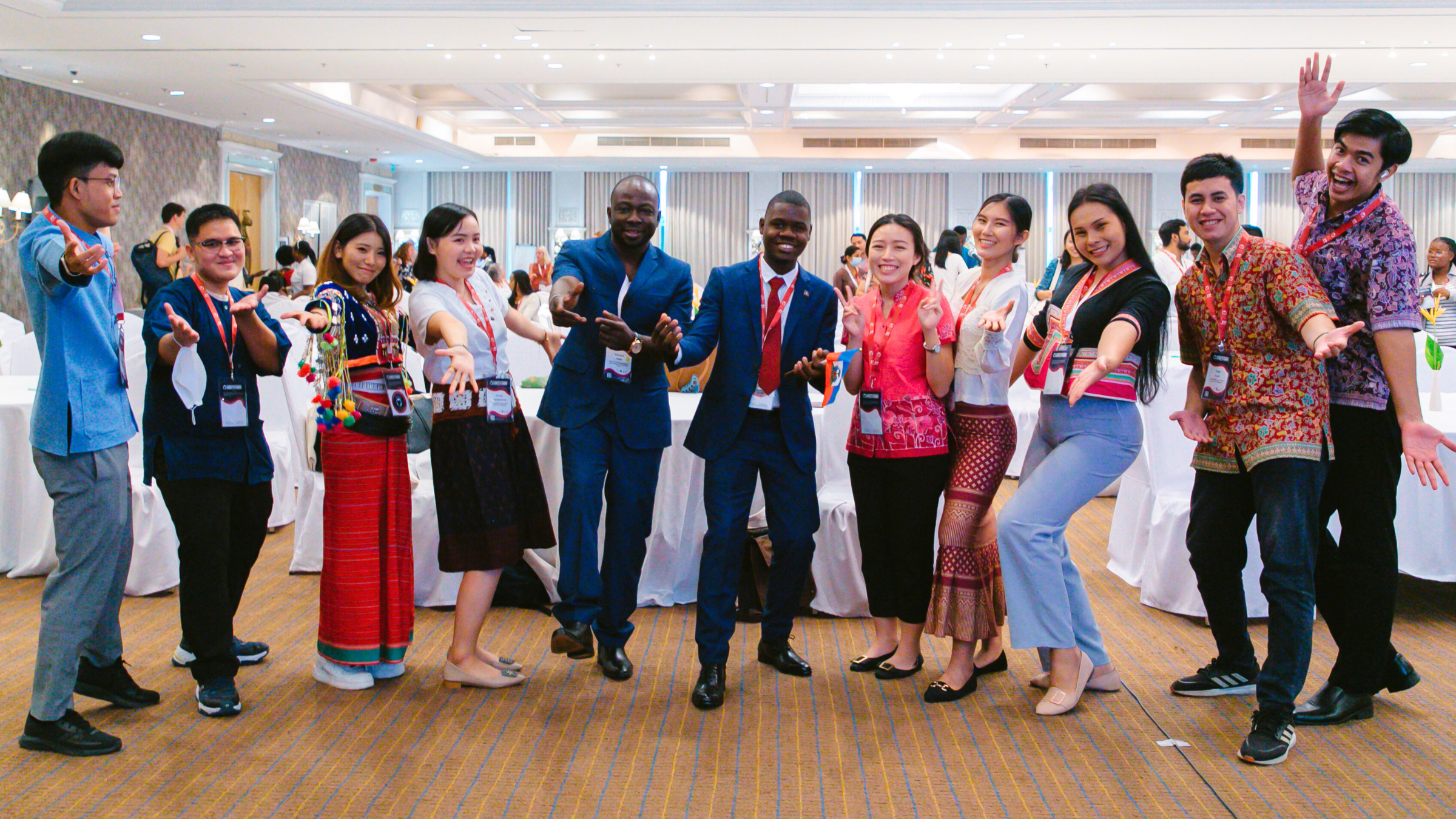
Since its inaugural convening in Kampala, Uganda in 2009, the International Conference on Family Planning (ICFP) has grown into more than just a conference. It is a global community, a dynamic movement, and a trusted platform advancing sexual and reproductive health and rights (SRHR) for all.
Because SRHR is essential to health, dignity, gender equality, and sustainable development, ICFP unites researchers, governments, advocates, and health equity champions to celebrate progress, make new commitments, and drive collective action that advances the field. Rooted in scientific rigor, local ownership, and intergenerational leadership, it serves as a strategic inflection point for expanding universal access to family planning and SRHR through research, program implementation, and advocacy efforts.
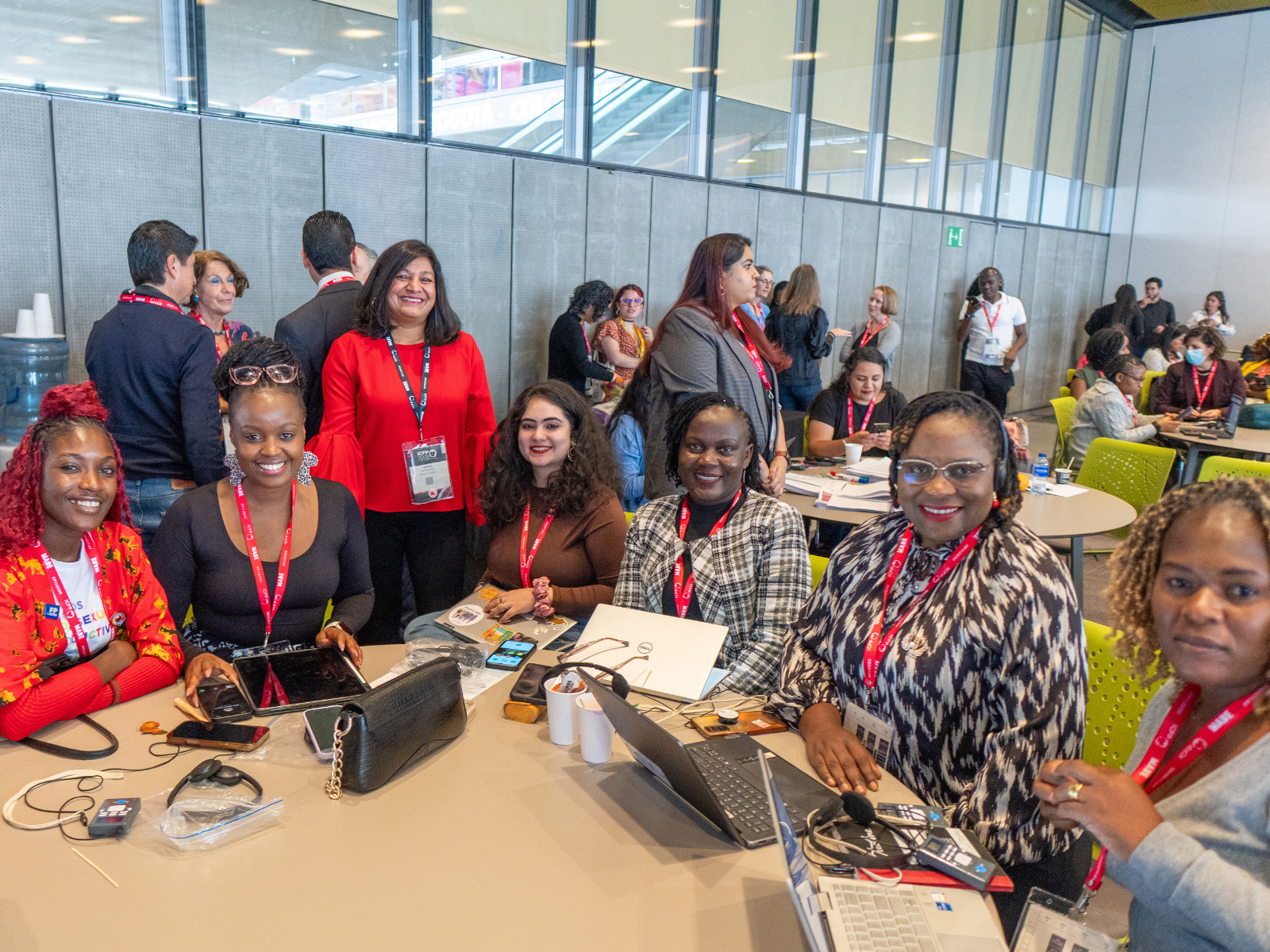
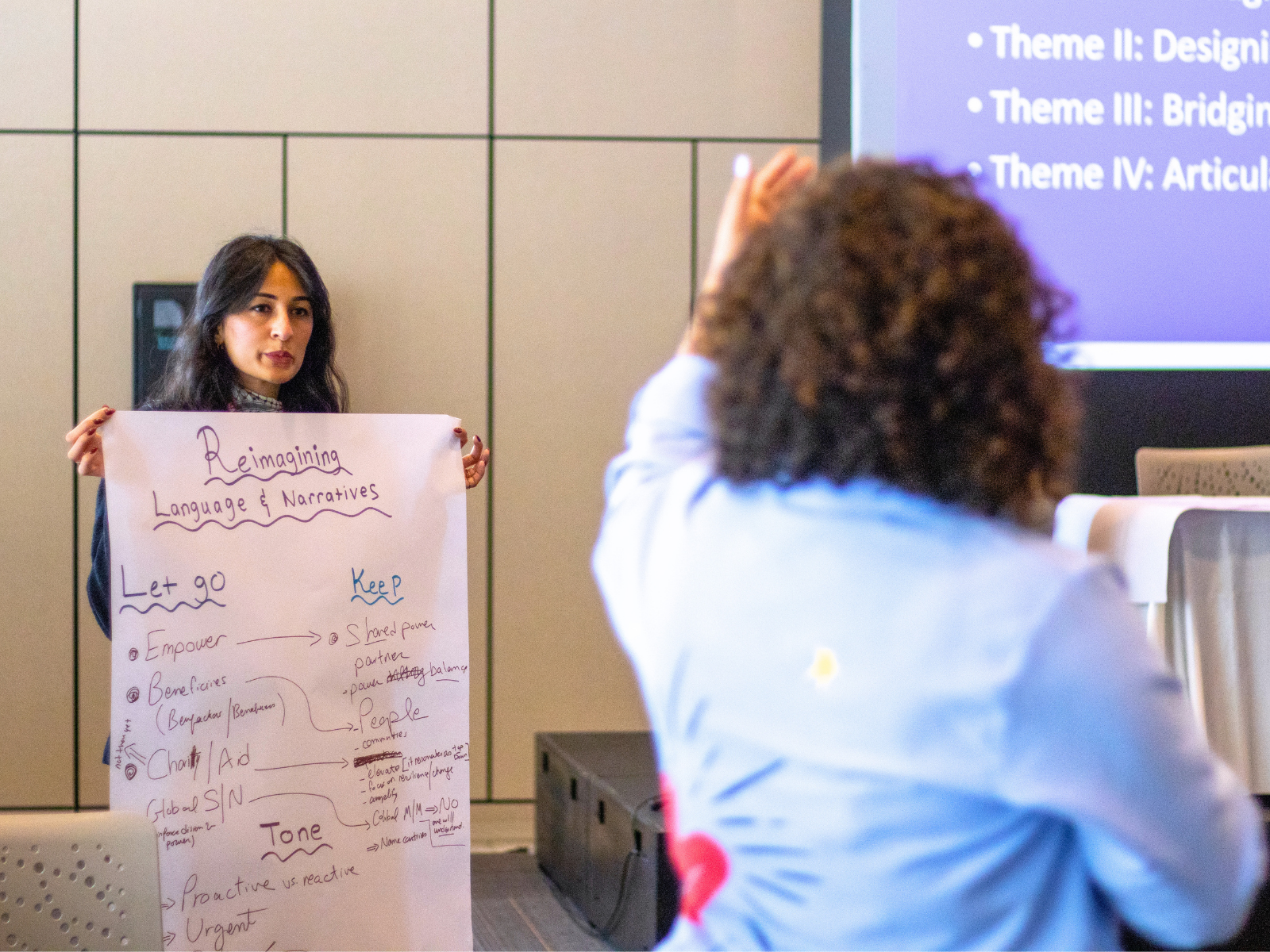
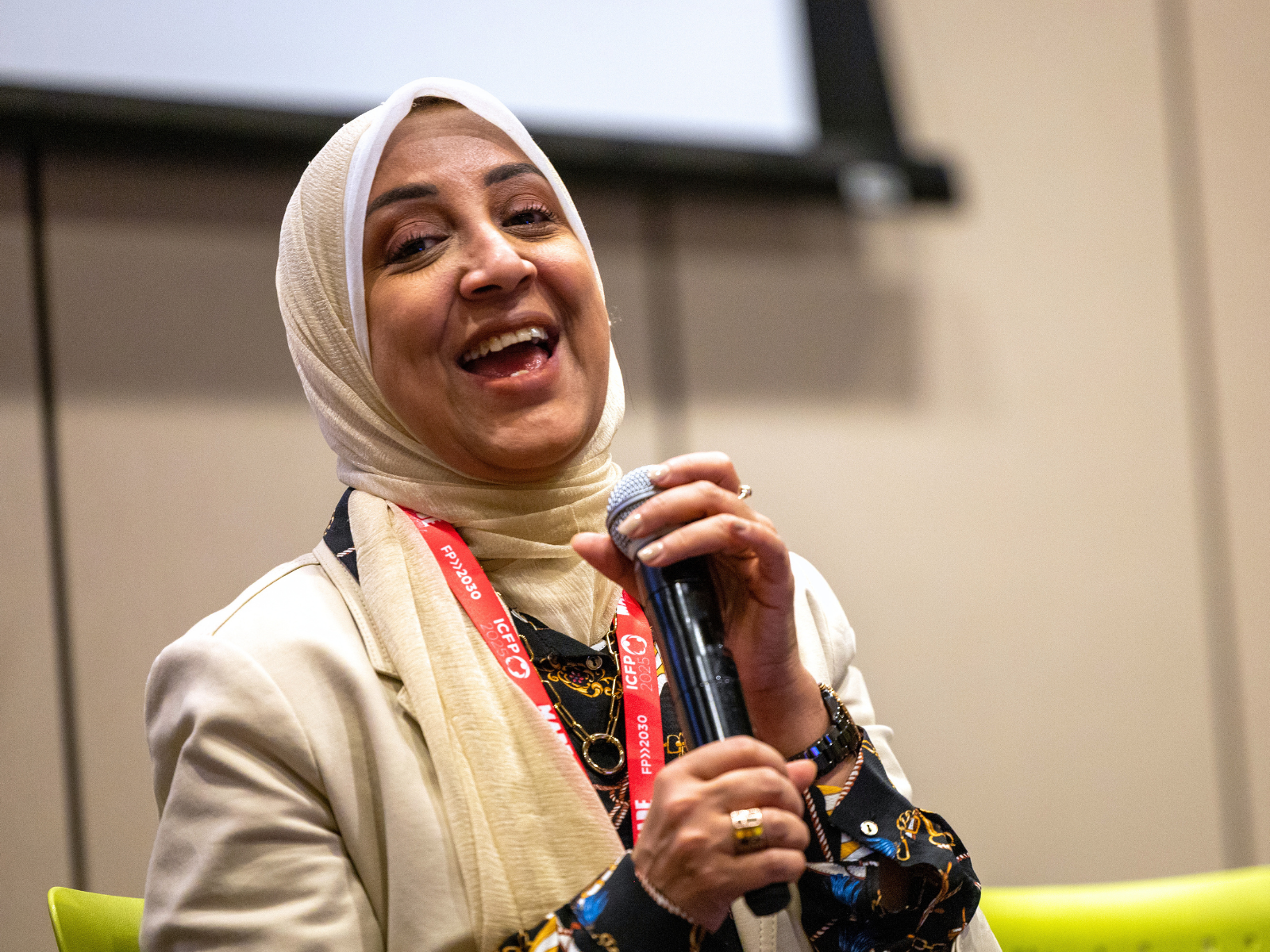
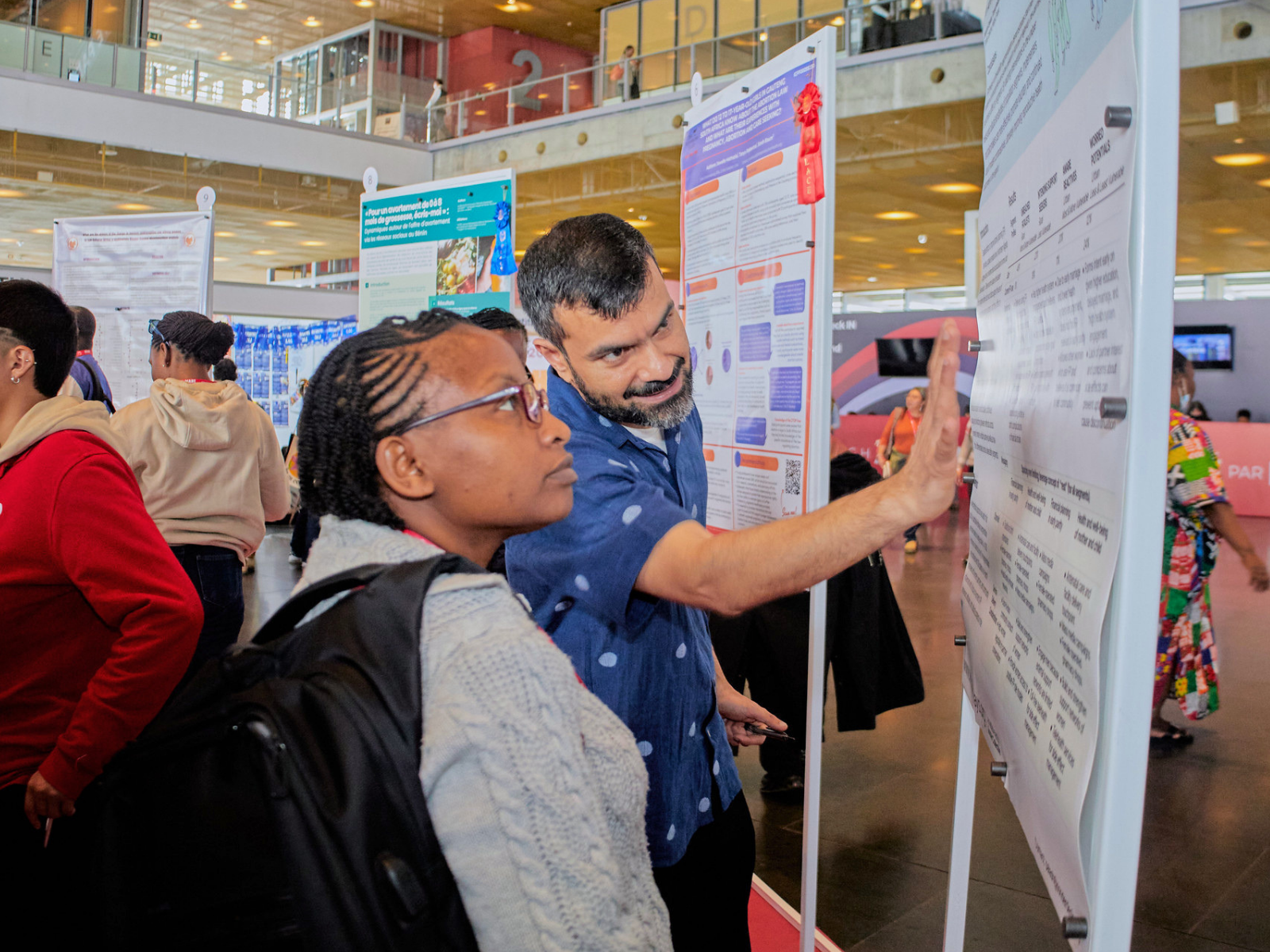
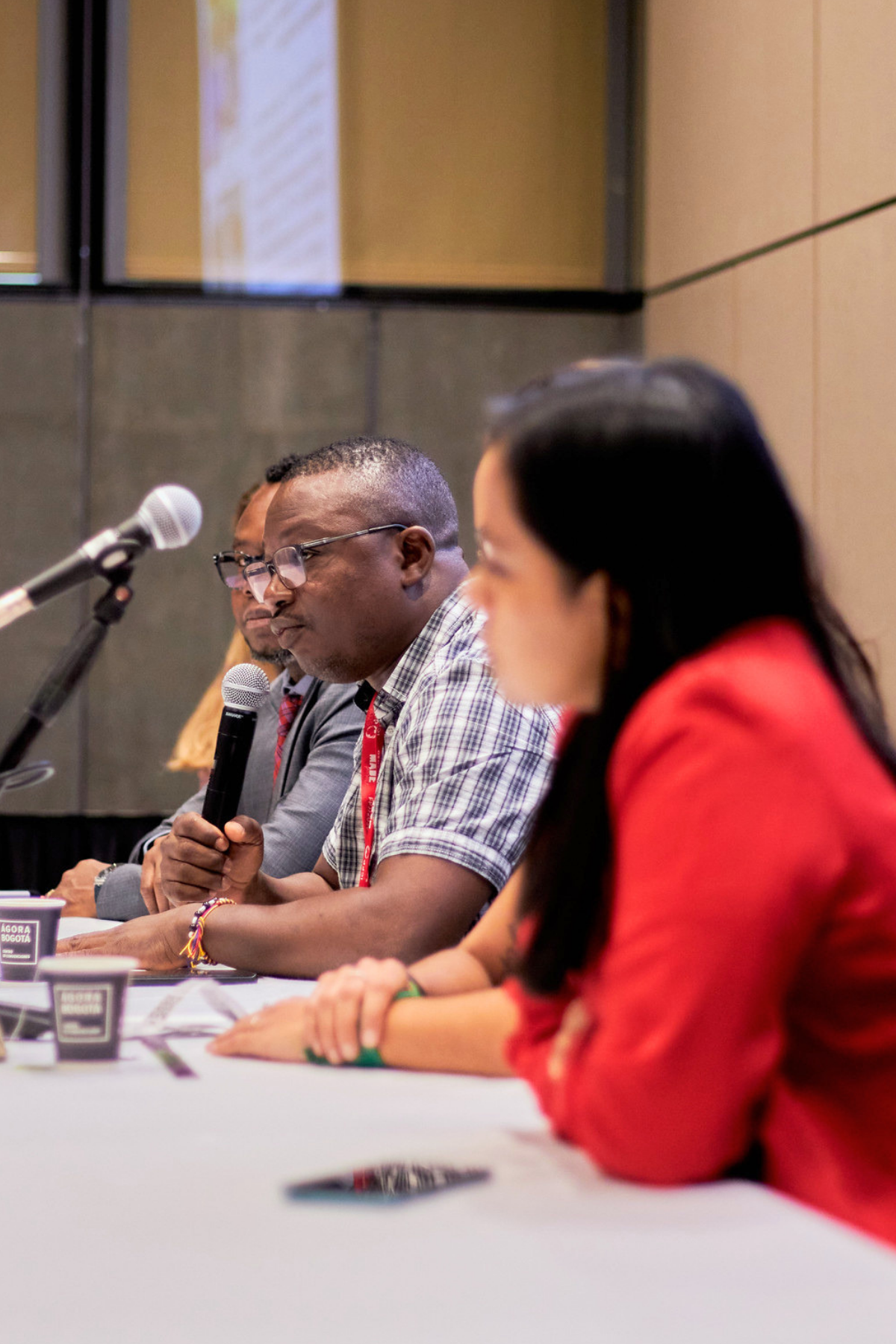
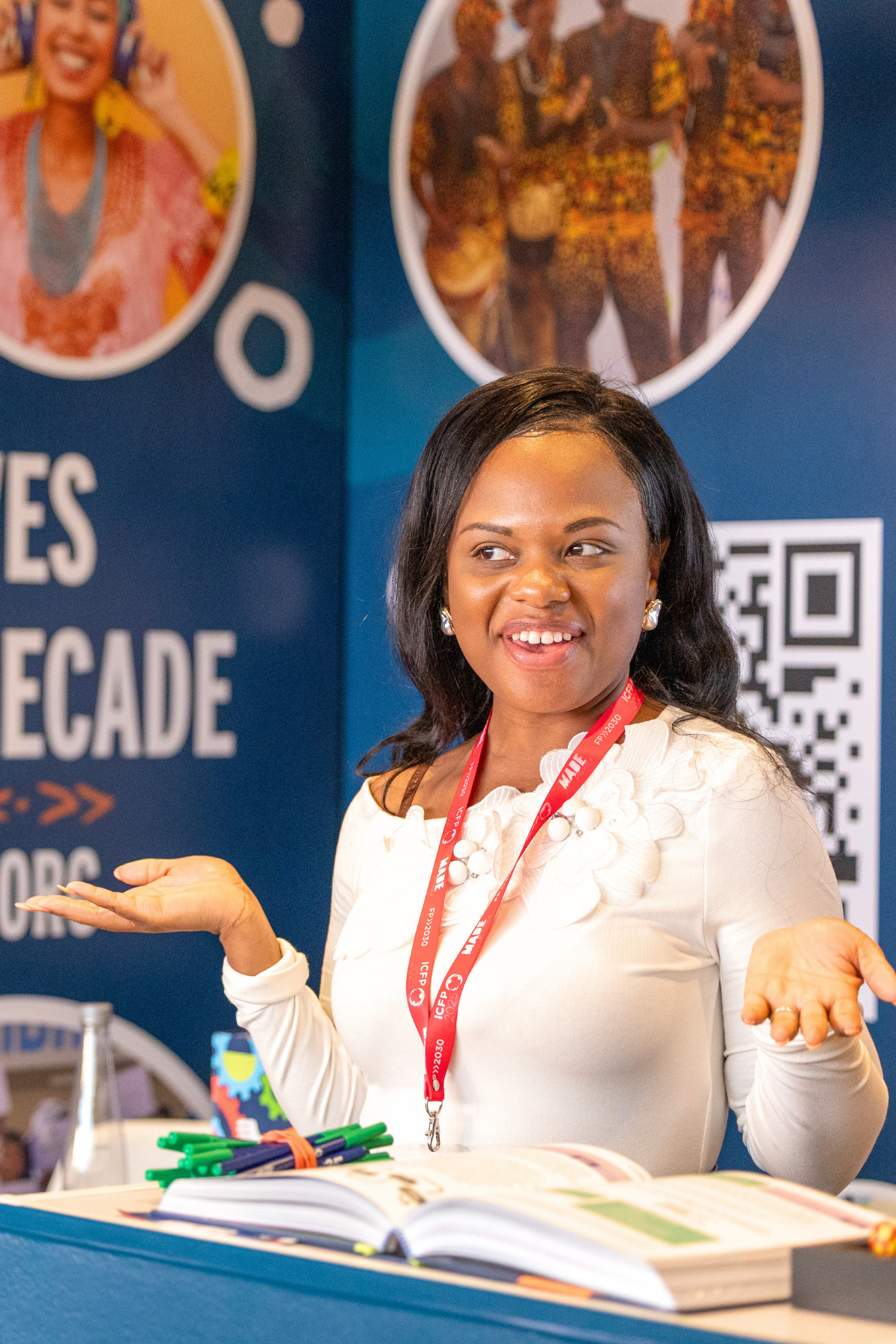
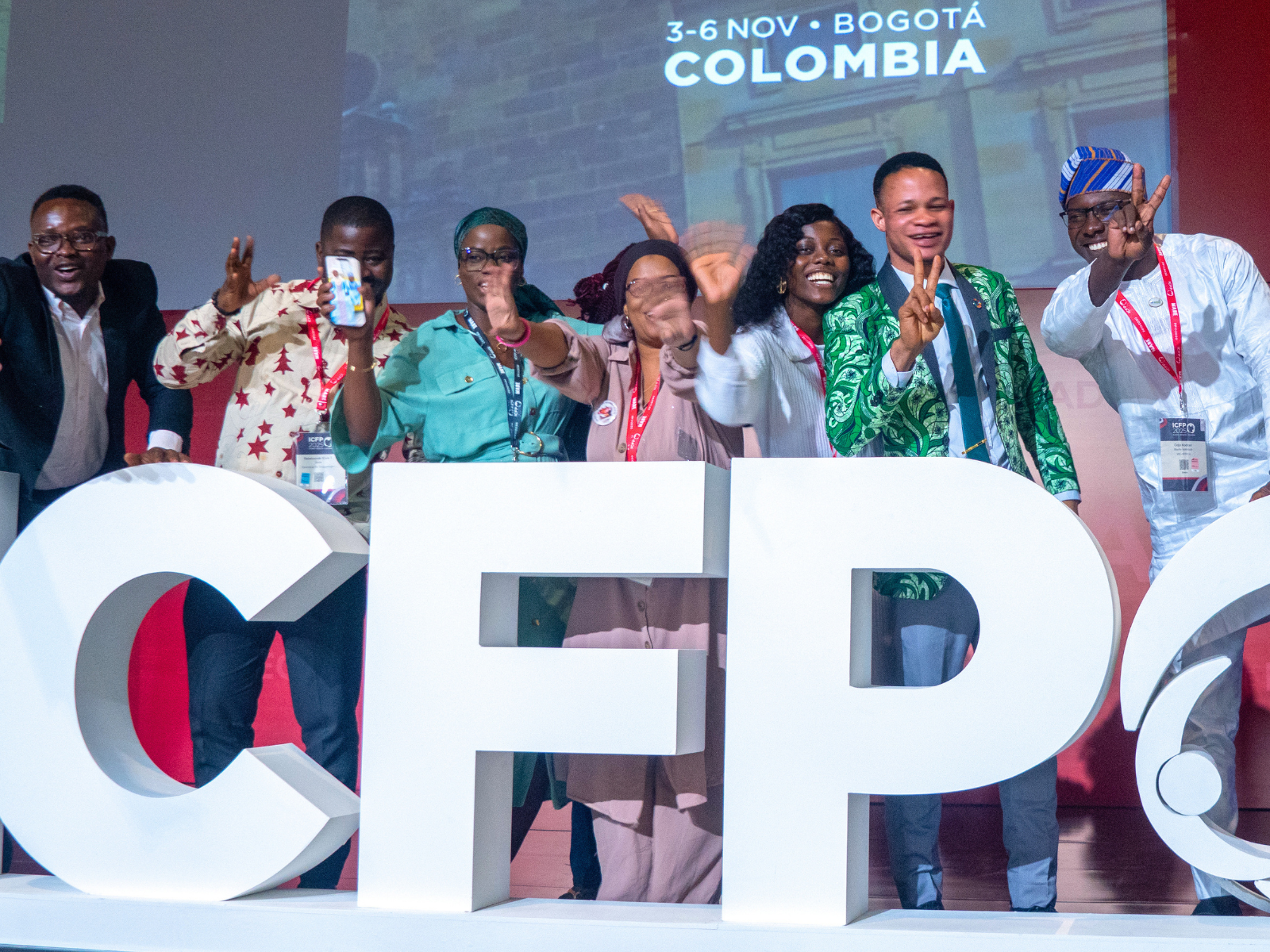
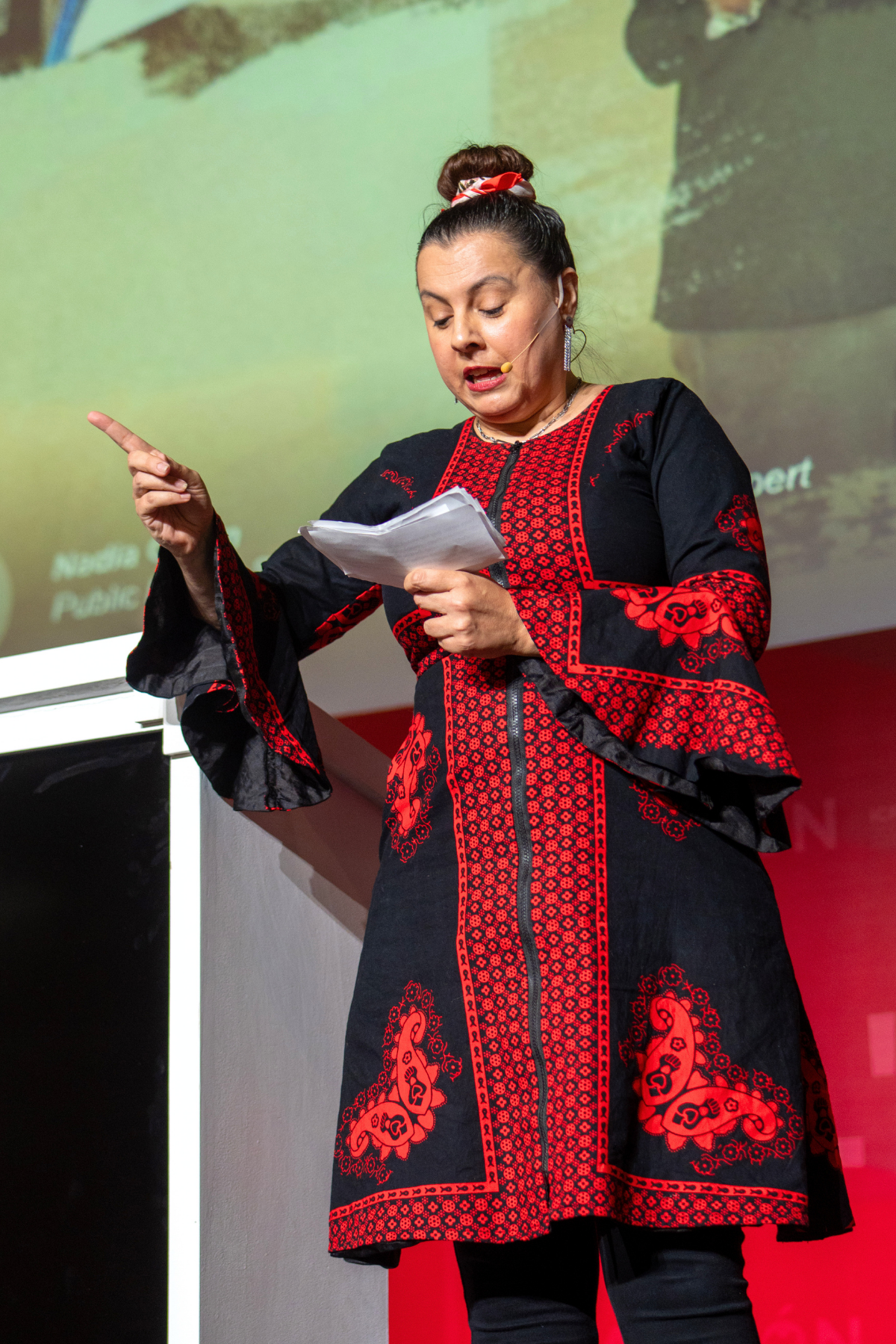
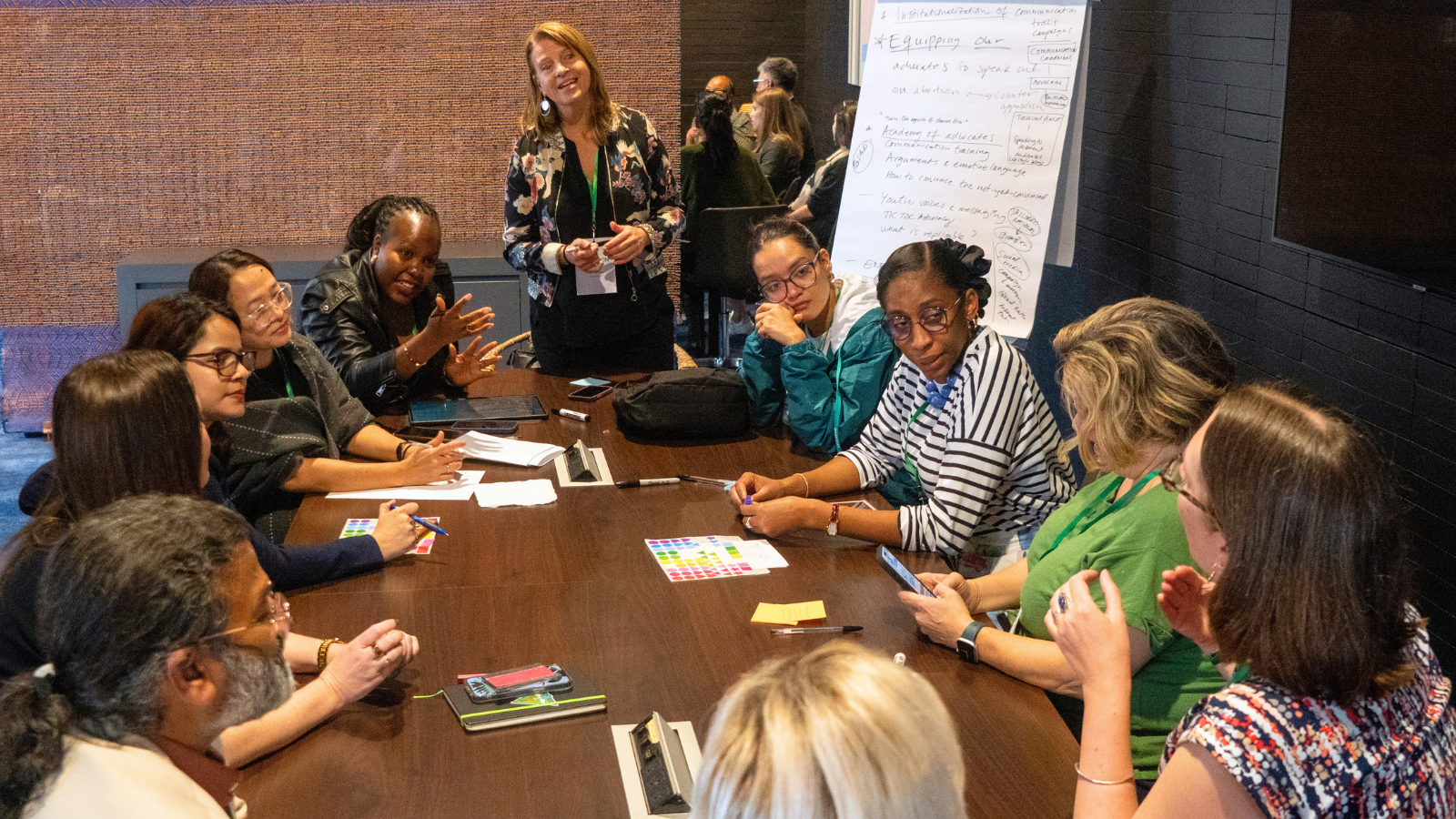
Most recently, the ICFP 2025 conference gathered the global community in Bogotá, Colombia around the theme, “Equity Through Action: Advancing Sexual and Reproductive Health and Rights for All.” Across plenaries, scientific sessions, panels, workshops, and networking spaces, participants shared evidence, amplified diverse perspectives, and made concrete commitments to address persistent inequities. The knowledge gained, partnerships formed, and momentum generated at ICFP 2025 continue to guide priorities and shape action across the field.
ICFP extends far beyond its convenings. As a continuous, year-round platform, it connects the global SRHR community across disciplines, sectors, and regions. By fostering collaboration, elevating diverse voices, and linking research to practice, ICFP enables partners to implement solutions, ensure accountability, and accelerate progress toward a more equitable future.
ICFP is hosted and operated by the William H. Gates Sr. Institute for Population and Reproductive Health (WHGI) at the Johns Hopkins Bloomberg School of Public Health. Learn more about ICFP’s history below.
ICFP’s Vision
A connected and informed global community advancing, achieving and safeguarding universal access to family planning, sexual and reproductive health, and rights.
ICFP envisions a collective, cross-sectoral movement rooted in scientific rigor, local ownership, and intergenerational leadership that employs policies, programs, and practices to drive transformative change in global health equity.
ICFP’s Mission
ICFP is a dynamic, multi-sectoral platform, movement, and community that champions the global exchange of evidence-based ideas, inspiration, and information to strengthen country, regional, and global impact.
ICFP propels policy advancements, cultivates innovative research and best practices, reinforces advocacy networks, amplifies community voices, strengthens technical capacities, and catalyzes action towards achieving universal access to family planning.
ICFP creates intentional spaces to ignite conversation and build networks to nurture a global movement towards a healthier, more equitable world. With a strategic focus on digital spaces and interdisciplinary collaboration, ICFP bridges diverse perspectives to drive transformative change through co-created programming, community dialogues, and strategic partnerships.
ICFP Core Organizing Group
The Evolution of ICFP
Learn more about ICFP’s growth from its first conference in 2009 to the year-round global platform it is today.
ICFP 2009
📍 Kampala, Uganda
Theme: Universal Access to Family Planning
Co-hosts: The William H. Gates Sr. Institute (WHGI) and the Ministry of Health of Uganda
Learn More About ICFP 2009:
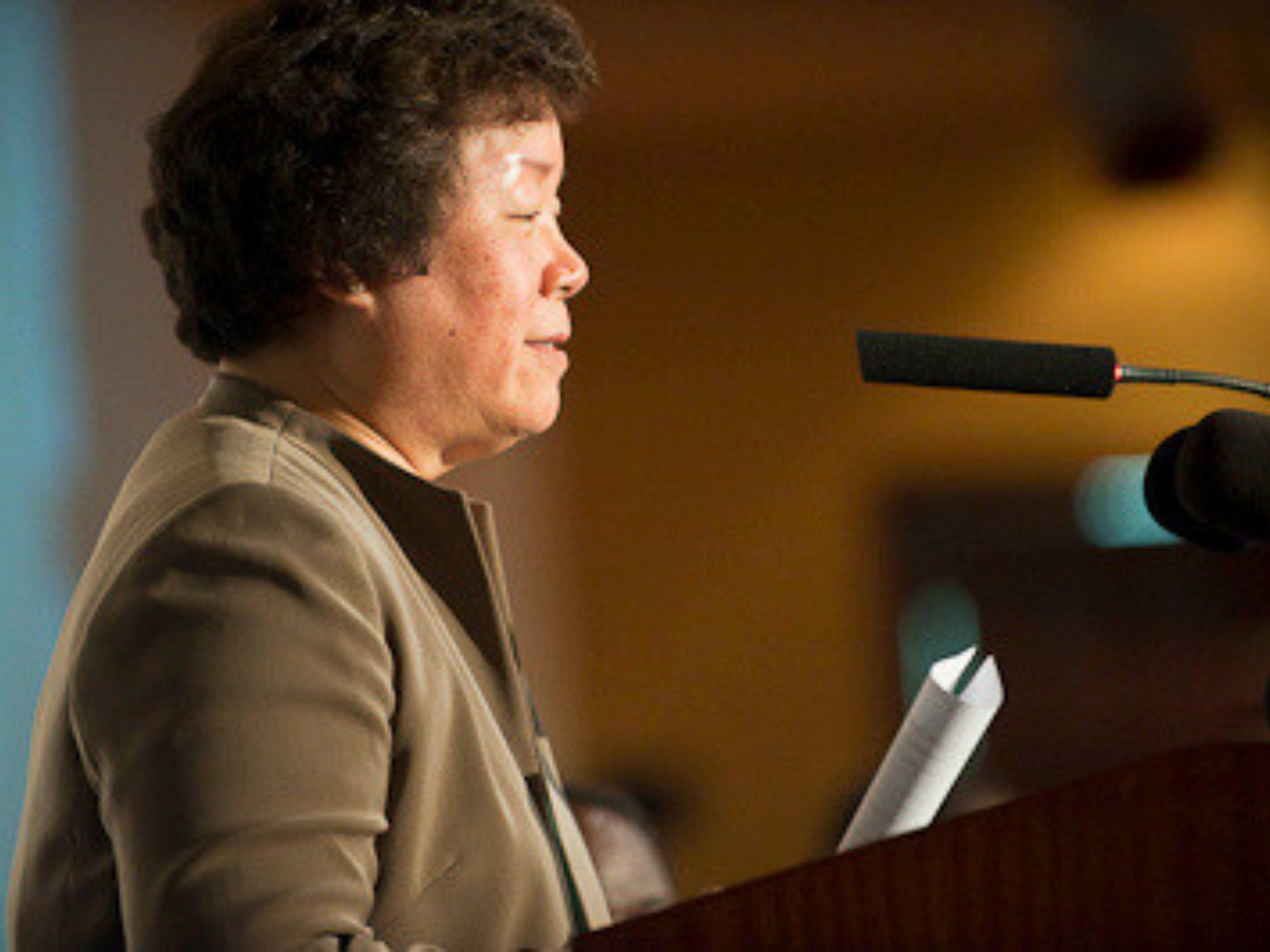
Held 15–18 November 2009 in Kampala, Uganda, the inaugural ICFP brought together more than 1,300 delegates from 61 countries, establishing a new global platform for advancing family planning through research, advocacy, and best practices.
Centered on the theme “Universal Access to Family Planning,” ICFP 2009 convened global leaders, researchers, policymakers, and advocates at a pivotal moment for the field. Despite decades of progress, unmet need for contraception remained high—highlighting the urgent need to scale effective programs, strengthen policies, and expand access to family planning services worldwide.
As the first convening of its kind, ICFP 2009 exceeded expectations and set the foundation for future touchpoints bringing together SRHR stakeholders from around the world. It called on the global family planning community to accelerate action by translating evidence into practice and advancing solutions that respond to real-world challenges.
The conference featured more than 300 oral presentations, over 100 poster presentations, and a wide range of roundtables and auxiliary meetings, creating space for knowledge-sharing, collaboration, and cross-sector exchange.
Organized in partnership with more than 50 global institutions—including USAID, UNFPA, the World Bank, WHO, and major philanthropic partners—the conference reflected strong international commitment to advancing family planning. High-level participation included the opening by the First Lady of Uganda, Mrs. Janet Museveni.
Research, Programmatic, & Advocacy Insights
- Integration with health services: Emphasized incorporating family planning into HIV care, postpartum and post-abortion services, and broader primary health systems.
- Community-based delivery: Expanded access through community models, including contraceptive injectables and implants.
- Fertility-aligned methods: Highlighted the need to align contraceptive options with individuals’ fertility goals.
- Youth and men’s engagement: Promoted increased participation of youth and men in family planning efforts.
- Innovative service delivery and financing: Leveraged approaches such as social marketing and franchising models to expand reach and sustainability.
Notable Achievements
- Launch of the Advance Family Planning (AFP) program: Strengthened global advocacy efforts.
- Media engagement and visibility: Elevated global attention to family planning priorities.
- Momentum and commitments: Renewed global focus and reaffirmation of commitments to expand access to family planning.
ICFP 2011
📍 Dakar, Senegal
Theme: Research & Best Practices
Co-hosts: The William H. Gates Sr. Institute (WHGI) and the Ministry of Health and Prevention of Senegal
Learn More About ICFP 2011:
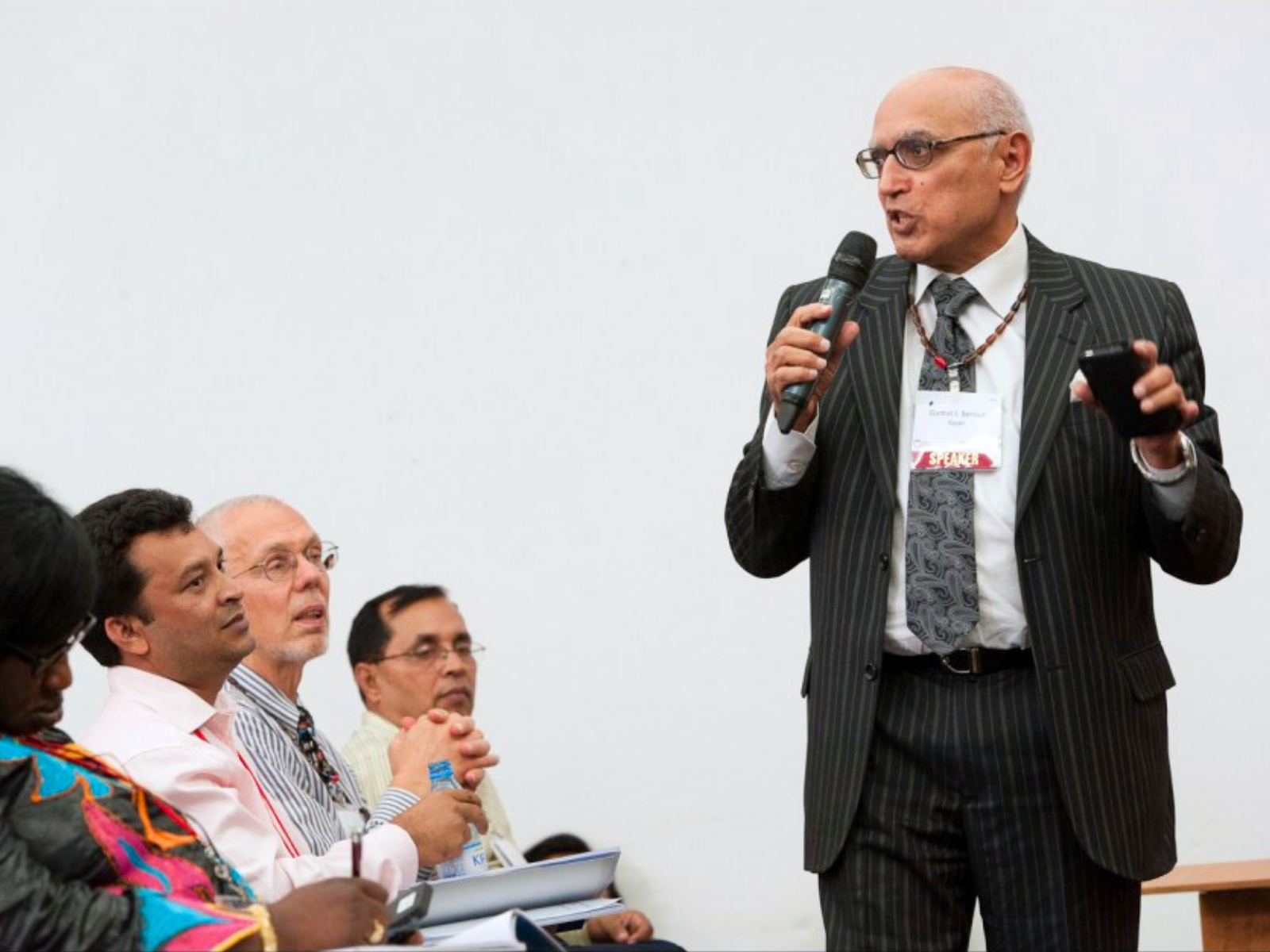
Held 29 November–2 December 2011 in Dakar, Senegal, the second ICFP conference brought together more than 2,000 delegates from across the global SRHR community.
Centered on the theme “Research & Best Practices,” ICFP 2011 focused on strengthening family planning programs and improving service delivery, with particular emphasis on addressing challenges and opportunities in Francophone Africa. The conference provided a critical platform for sharing evidence, scaling proven approaches, and advancing national strategies toward universal access to family planning.
Building on the foundation established in 2009, ICFP 2011 expanded the global dialogue by convening researchers, program implementors, clinicians, policymakers, and journalists to examine cutting-edge research and practical solutions that improve the health and well-being of individuals, families, and communities worldwide.
The conference featured a robust program of more than 140 sessions, including over 340 oral presentations, 45 panel presentations, 170 poster presentations, and 10 skill-building sessions. Plenaries and concurrent sessions explored key topics such as the long-term benefits of family planning, integration with HIV services, and the role of rights-based approaches in expanding access.
Organized in partnership with more than 30 international organizations—including USAID, UNFPA, WHO, the World Bank, and major philanthropic partners—the conference reflected strong global commitment to advancing family planning. High-level participation included the President of Senegal, H.E. Abdoulaye Wade, ministers, international agency leaders, and representatives from governments and civil society.
Research, Programmatic, & Advocacy Insights
- Evidence-based strategies: Strengthened the evidence base to inform national family planning strategies and policies.
- Expanded access: Promoted high-quality services through proven programmatic approaches.
- Rights-based frameworks: Reinforced frameworks supporting informed choice and equitable access.
- Health, economic, and development outcomes: Highlighted family planning’s contribution to improved health, economic, and development outcomes.
- Integration with HIV and health systems: Advanced integration of family planning with HIV services and broader health systems.
Notable Achievements
- Expanded global engagement: Increased participation across research, policy, and media communities.
- Focus on Francophone Africa: Strengthened attention to family planning challenges and opportunities in the region.
- Evidence-driven programs: Elevated the role of research and best practices in shaping national and global programs.
- Momentum toward universal access: Reinforced progress toward achieving universal access to family planning.
ICFP 2013
📍 Addis Ababa, Ethiopia
Theme: Full Access, Full Choice
Co-hosts: The William H. Gates Sr. Institute (WHGI) and the Ministry of Health of the Federal Democratic Republic of Ethiopia
Following the successful launch of Family Planning 2020 (now FP2030) during the 2012 London Summit on Family Planning, ICFP 2013 brought the global family planning and SRHR community together in Ethiopia to celebrate progress made toward achieving “Full Access, Full Choice.”
Learn More About ICFP 2013:
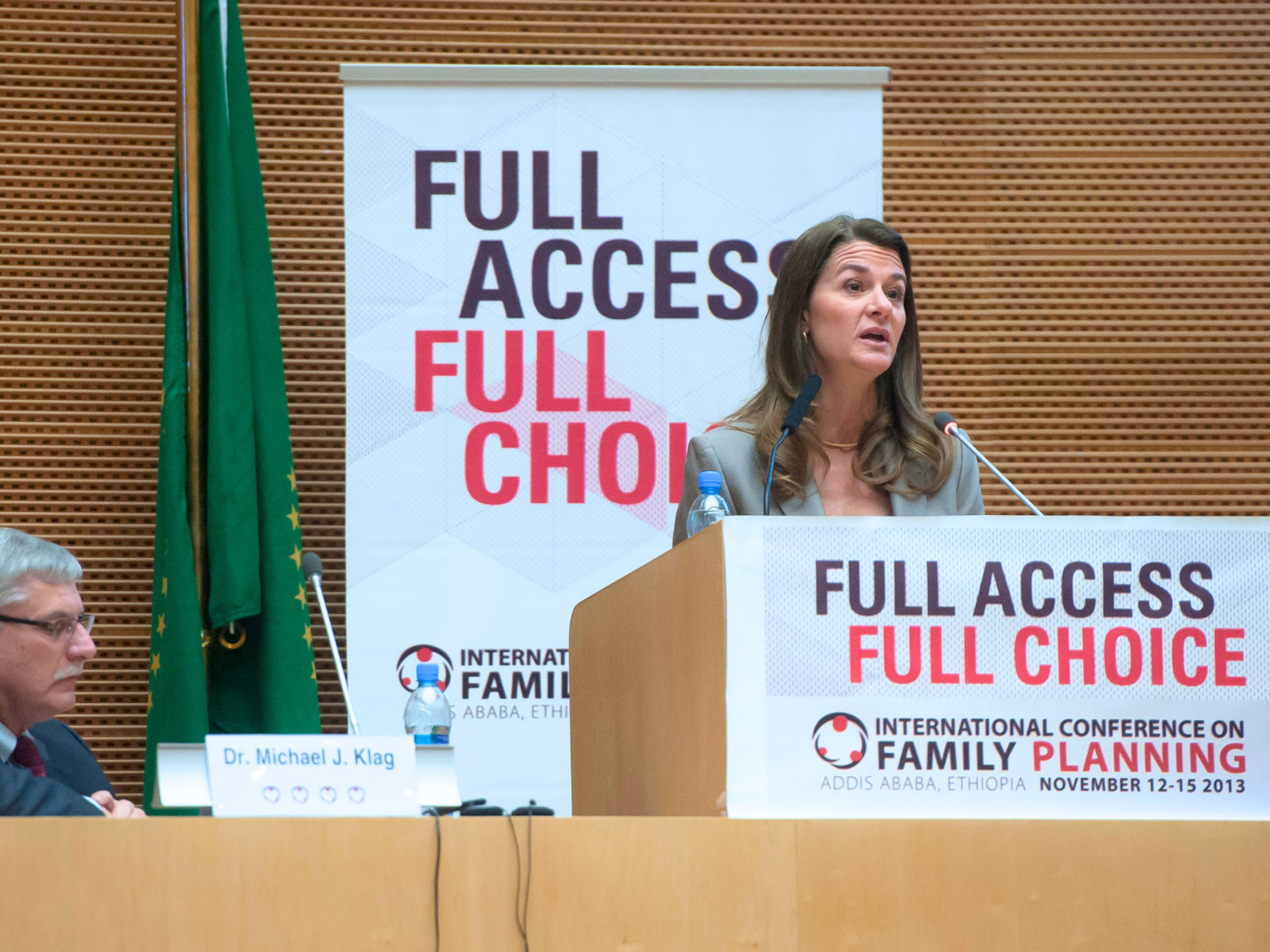
Held 12–15 November 2013 in Addis Ababa, Ethiopia, ICFP 2013 brought together more than 3,400 delegates from over 120 countries to advance progress on the theme “Full Access, Full Choice.”
Building on the momentum of the 2012 London Summit on Family Planning and the launch of FP2020 (now FP2030), ICFP 2013 served as a critical moment to assess progress and accelerate global commitments to expanding access to voluntary, high-quality family planning.
At a time when more than 200 million people globally still faced an unmet need for contraception, the conference emphasized the essential role of family planning in advancing sustainable development, gender equality, and improved health outcomes. Discussions focused on translating global commitments into country-level action and ensuring family planning remained central to the emerging post-2015 development agenda.
The conference featured a dynamic scientific and programmatic agenda, with hundreds of oral and poster presentations, plenaries, and roundtables designed to foster knowledge-sharing, innovation, and cross-sector collaboration.
Organized in partnership with leading global institutions—including USAID, UNFPA, the World Bank, WHO, and major philanthropic partners—ICFP 2013 reflected strong international alignment.
High-level participation included heads of state, ministers, and global health leaders, including:
- Melinda French Gates — Co-Chair, Bill & Melinda Gates Foundation
- John Kerry — U.S. Secretary of State
- Hailemariam Desalegn — Prime Minister, Federal Democratic Republic of Ethiopia
- Kesete-birhan Admasu — Minister of Health, Federal Democratic Republic of Ethiopia
- Babatunde Osotimehin — Executive Director, UNFPA
- Kate Gilmore — Deputy Executive Director, UNFPA
- Robert Wm. Blum — Professor, Johns Hopkins Bloomberg School of Public Health
- Catherine Baye — Faculty, University of Yaoundé
- Oying ‘Jose’ Rimon II — Director, The Bill & Melinda Gates Institute for Population and Reproductive Health, Johns Hopkins Bloomberg School of Public Health
Melinda French Gates played a prominent role throughout the conference, participating in high-level discussions and plenaries focused on advancing equity and ensuring women and girls remain at the center of the global development agenda.
Research, Programmatic, & Advocacy Insights
- Youth engagement and gender equity: Increased focus on young people, gender equality, and rights-based approaches.
- Integration of family planning: Advanced the inclusion of family planning within broader health and development frameworks.
- Evidence-based strategies: Strengthened the evidence base to support national strategies and global commitments.
- Expanded access: Focused on providing a full range of contraceptive options aligned with individuals’ needs and preferences.
- Innovation and partnerships: Leveraged new approaches to improve service delivery and financing.
Notable Achievements
- Addis Call to Action: Launched a global declaration urging inclusion of family planning in the Sustainable Development Goals (SDGs) and post-2015 development framework, signed by nearly 1,000 individuals and organizations from 80+ countries.
- Elevated global policy: Positioned family planning as a central pillar of sustainable development and global health policy.
- Strengthened FP2020 momentum: Reinforced global accountability for expanding access to voluntary family planning.
ICFP 2016
📍 Nusa Dua, Indonesia
Theme: Global Commitments, Local Actions
Co-hosts: The William H. Gates Sr. Institute (WHGI) and the National Population and Family Planning Board of Indonesia (BKKBN)
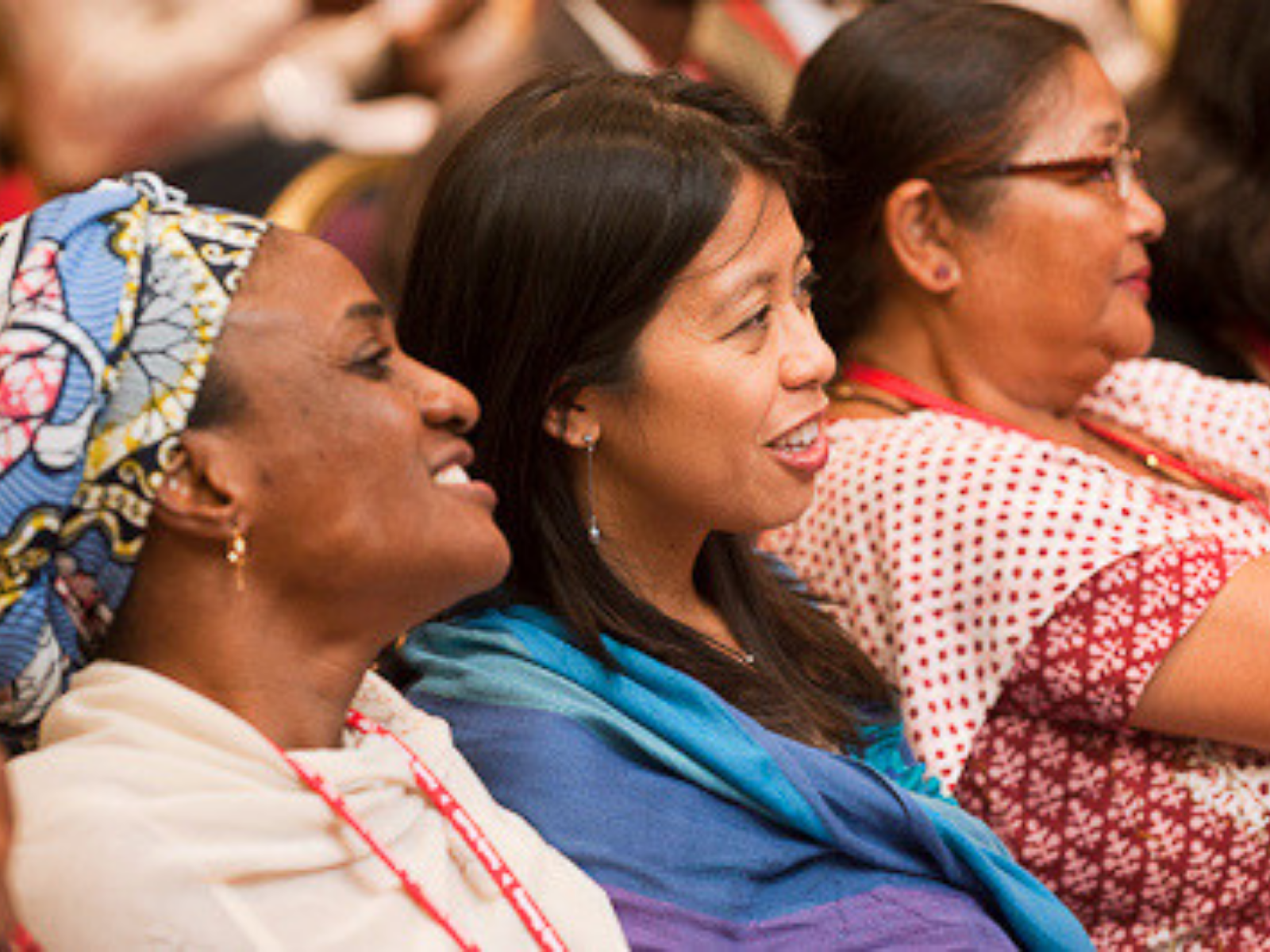
Hosted in Indonesia, a leader in innovative family planning programming, ICFP 2016 gathered the global family planning and SRHR community in Asia for the first time. United under the theme “Global Commitments, Local Actions,” participants explored family planning’s contributions to the sustainable development goals (SDGs), the central role of youth in the movement, and progress toward FP2020 commitments.
Learn More About ICFP 2016:
Held 25–28 January 2016 in Nusa Dua, Bali, Indonesia, ICFP 2016 welcomed over 3,100 delegates from more than 100 countries. The conference theme, “Global Commitments, Local Actions,” emphasized cross-sector collaboration in advancing the SDGs and global family planning objectives.
Bali’s infrastructure and vibrant setting enabled a high-impact convening that supported large-scale participation, including over 500 oral presentations, 400 poster presentations, and 90 panels and plenaries, while fostering personal networking, cross-cultural engagement, and motivation among both senior leaders and early-career professionals.
Throughout the multi-day event, political leaders, ministers, youth advocates, scientists, and practitioners explored family planning’s contributions to the SDGs, the central role of youth in the movement, and progress toward FP2020 commitments. Delegates engaged in knowledge exchange, shared best practices from diverse regions, and discussed solutions to increase access to family planning in countries with high unmet need.
The conference concluded with a powerful call to accelerate global access, reinforcing ICFP’s reputation for mobilizing both high-level decision-makers and on-the-ground implementers.
Research, Programmatic, & Advocacy Insights
- Innovative Program Models: Scalable solutions for expanding access to contraception and improving service delivery.
- Evidence-based Policy: Strategies for translating research into national and global policy action.
- Youth-led Initiatives: Creative approaches to engaging young people in advocacy and service delivery.
- Measurement & Evaluation: New methods to track impact and improve accountability.
- Cross-Regional Learning: Knowledge exchange from countries with high unmet need, promoting adoption of best practices.
Notable Achievements
- Opening Ceremony: Featured an opening address from President Joko Widodo of Indonesia.
- Global Humanitarian Award: Honored Dato’ Sri Dr. Tahir, Arif and Fayeeza Naqvi, and Sir Christopher Hohn.
- FP Voices Photo Booth: Sponsored by the Hewlett Foundation, allowing delegates to share reflections on family planning.
- Quality Innovation Challenge: Sponsored by the Packard Foundation, 13 finalists received grants to support innovative initiatives.
- EXCELL Awards: Recognized leadership in SRHR for Kenya, Ethiopia, Yayasan Cipta Cara Padu (Indonesia), Hon. Janette Loreto-Garin (Philippines), and Hon. Edcel C. Lagman (Philippines).
- Youth Engagement: A spirited Closing Ceremony performance highlighted the energy and leadership of young people in family planning.
ICFP 2018
📍 Kigali, Rwanda
Theme: Investing for a Lifetime of Returns
Co-hosts: The William H. Gates Sr. Institute (WHGI) and the Ministry of Health of the Republic of Rwanda
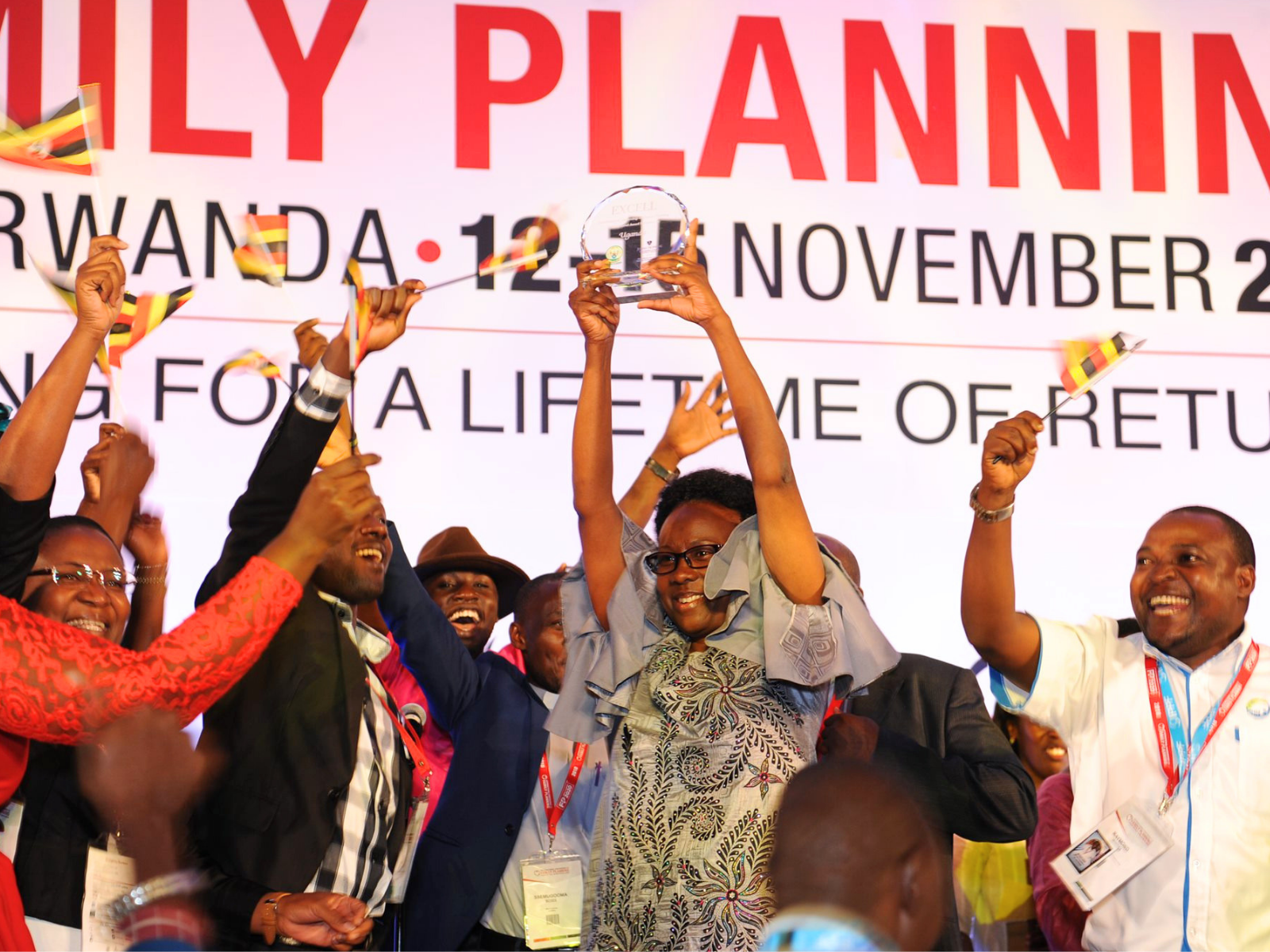
In 2018, ICFP returned to Africa, hosting the global family planning and SRHR community in Rwanda to highlight family planning’s returns on investment. Many discussions at the conference explored the ways different countries can harness the “demographic dividend”—potential economic growth gained from having a larger working-age population relative to dependents.
Learn More About ICFP 2018:
Held 12–15 November 2018 in Kigali, Rwanda, ICFP 2018 welcomed over 4,031 delegates from 119 countries. The conference theme, “Investing for a Lifetime of Returns,” highlighted the wide-ranging benefits of family planning—from education and empowerment to environmental health and economic growth. A dedicated conference track explored how countries can leverage the demographic dividend to accelerate national development.
Rwanda’s infrastructure and dynamic setting supported a high-impact convening, enabling large-scale participation while fostering networking, cross-cultural engagement, and inspiration for both senior leaders and early-career professionals. Over the multi-day event, participants engaged in knowledge exchange, evidence-based policy discussions, and programmatic learning, with particular attention to youth leadership, diversity, and progress toward FP2020 commitments. The conference also introduced the virtual ICFP Hub, expanding global access to content and enabling remote participation.
Research, Programmatic, & Advocacy Insights
- Demographic Dividend Strategies: Country-level approaches to harness population trends for economic and social development.
- Innovative Family Planning Programs: Scalable initiatives to expand access, improve service delivery, and strengthen supply chains.
- Youth Leadership & Engagement: Creative youth-led advocacy and programmatic models driving impact in communities.
- Policy & Investment: Evidence-based guidance for national policies and global financing to accelerate family planning outcomes.
- Digital & Knowledge Sharing: Virtual content and social media engagement, including over 46 million Twitter impressions and 28,000 video views of conference materials.
Notable Achievements
- Participation & Sessions: 16 thematic tracks, 1,600+ oral and poster presentations, 20 plenaries, 31 pre-conferences, 80+ side events, and 4 site visits.
- Youth Engagement: 550 Youth Leader Video Contest submissions provided scholarships and highlighted innovative youth contributions.
- High-Level Speakers: Included Rwandan Prime Minister Édouard Ngirente, UNFPA Executive Director Dr. Natalia Kanem, WHO Director-General Dr. Tedros Adhanom Ghebreyesus, Bill & Melinda Gates (via video), and Jane Goodall.
- Awards & Recognition: Lifetime Achievement Awards in Family Planning, EXCELL Awards honoring SRHR leadership, and FPitchfest for innovative ideas.
- Major Funding Announcements: Over $260 million from the UK, $78.8 million from Canada, and $18 million from the Gates Foundation for Ouagadougou Partnership countries.
- Media & Global Reach: 260+ media hits across 20 countries, with strong representation from Global South journalists and youth advocates.
- Special Events: Red Carpet Evening celebrating global advocates and public engagement.
ICFP 2018 set new benchmarks for youth involvement, digital reach, media visibility, and funding commitments, reinforcing the conference’s role as a central platform for global family planning advocacy, programmatic learning, and strategic collaboration.
ICFP 2022
📍 Pattaya City, Thailand
Theme: Family Planning & Universal Health Coverage: Innovate. Collaborate. Accelerate.
Co-hosts: The William H. Gates Sr. Institute (WHGI), Ministry of Public Health of Thailand, The Royal Thai College of Obstetricians and Gynaecologists (RTCOG), and Population and Community Development Association (PDA)
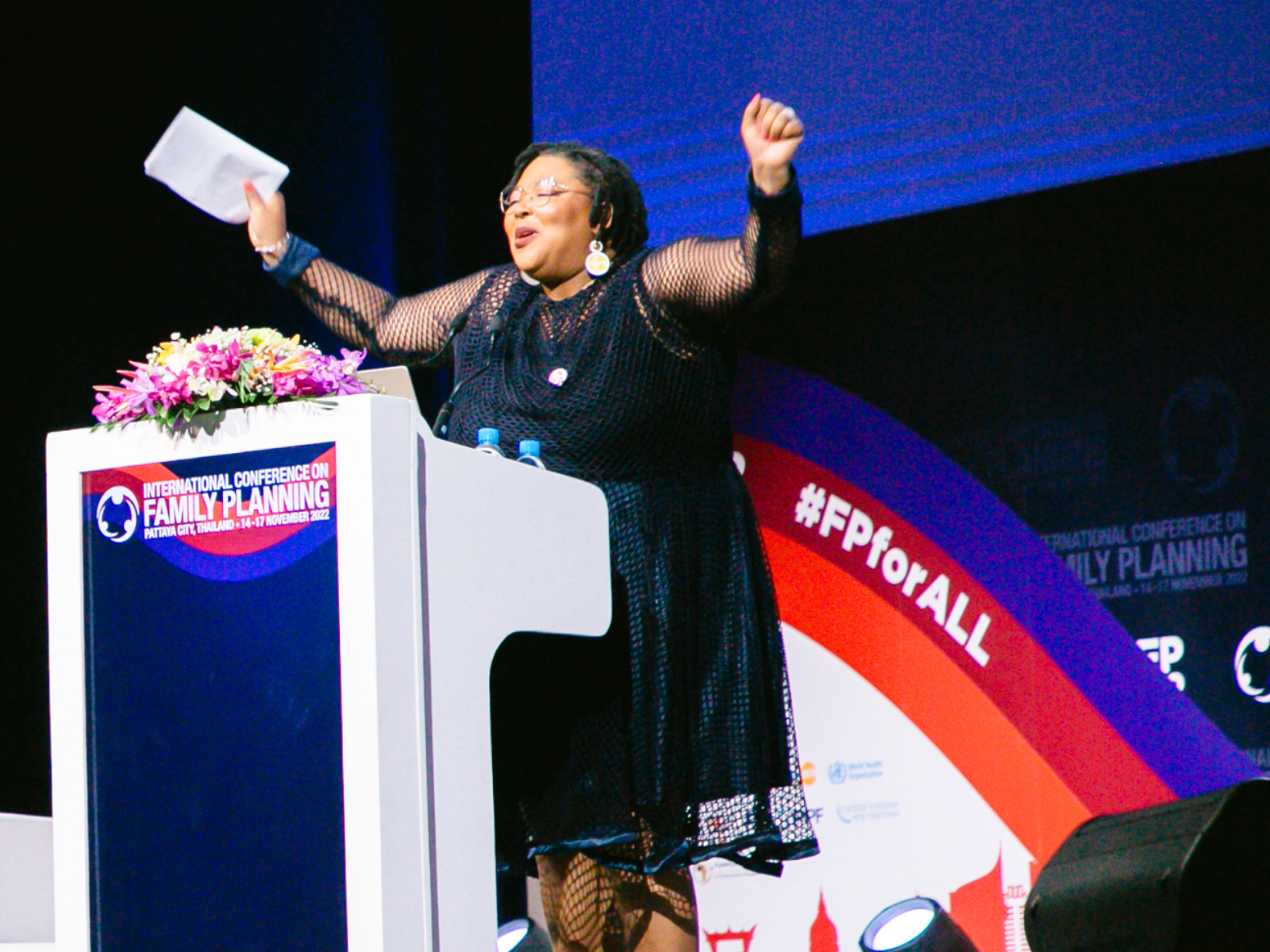
ICFP 2022 in Thailand marked the first in-person convening of the global family planning and SRHR community since the COVID-19 pandemic, serving as a critical moment to reconnect, reflect, and rebuild momentum. It stood as a strategic benchmark as the field prepared to recommit to a goal of universal access by 2030. The theme, “Family Planning & Universal Health Coverage: Innovate. Collaborate. Accelerate.,” underscored the belief that family planning should be a core component of universal health coverage.
Learn More About ICFP 2022:
Held 14–17 November 2022 in Pattaya City, Thailand, ICFP 2022 brought together more than 3,600 in-person delegates along with additional virtual participants through ICFP’s first-ever hybrid format. Originally postponed due to the COVID-19 pandemic, the conference marked the first in-person global gathering since 2018, demonstrating the resilience, dedication, and strength of the family planning and SRHR community.
The community-selected theme, “Family Planning & Universal Health Coverage: Innovate. Collaborate. Accelerate.,” guided the conference focus and was shaped by the ICFP UHC Advisory Board to align with global health priorities. With 10 subcommittees representing key areas of expertise across the SRHR field, the conference emphasized cross-sector collaboration, innovation, and actionable outcomes.
ICFP 2022 featured 20 plenaries, 200+ sessions across 16 thematic tracks (oral, flash, and poster formats), and more than 1,500 accepted abstracts from over 3,100 submissions. Over 100 sessions were livestreamed, expanding global access, while 730 abstract reviewers—including 100+ super-reviewers—ensured scientific rigor and quality.
Political engagement remained a hallmark of the conference, with 80 high-level government officials participating, including 23 members of parliament from 19 countries.
Youth leadership was a cornerstone, with 775+ participants aged 35 and under, 450 youth pre-conference participants from 74 countries, 50 Youth Trailblazer Awardees, and the launch of the youth-led coalition, the Global Roadmap for Action (GRA). Mentorship and intergenerational programs—including the WHO–ICFP Scientific Writing & Coaching Workshop, ICFP Mentoring Activity, and Lunch with Leaders networking event—supported capacity building and cross-generational exchange.
The conference also broke new ground in communications and media. The ICFP LIVE Stage showcased underrepresented voices and topics often missing from traditional scientific sessions, including male engagement, emergency contraception, abortion rights, and climate change. The Family Planning News Network (FPNN) launched on the ICFP LIVE Stage to amplify community-driven reporting, bringing lived experiences and multimedia storytelling to the global stage.
Research, Programmatic, & Advocacy Insights
- Strengthening resilience after COVID-19: Discussions focused on how health systems can better withstand future crises, highlighting the critical role of community-based providers, emergency preparedness, and the growing opportunity of telehealth and digital health solutions.
- Integration with UHC: Explored family planning’s role in achieving universal health coverage and sustainable health systems.
- Youth-led initiatives: Highlighted innovative approaches to engaging young leaders in advocacy, service delivery, and policy.
- Equity and access: Examined strategies to reach populations with high unmet need and reduce disparities in SRHR.
- Cross-sector collaboration: Fostered partnerships across government, civil society, research, and the private sector to accelerate impact.
- Evidence-based programming: Strengthened the scientific foundation for global family planning strategies and policy.
Notable Achievements
- Hybrid conference model: Enabled global participation and unprecedented digital engagement.
- Awards: Recognized excellence with the Global Humanitarian Award, Lifetime Achievement Award, DKT Phil Harvey Award, and EXCELL Awards.
- Expanded program: Included 31 pre-conferences, 63 side events, and 4 site visits.
- Youth empowerment: Launched the Global Roadmap for Action and recognized Youth Trailblazer Awardees.
- Communications innovation: Debut of the ICFP LIVE Stage and launch of FPNN to amplify diverse voices and underrepresented topics.
To share conference learnings and catalyze continued collaboration across sectors and regions, the ICFP Secretariat produced the ICFP 2022 Recap Report available here.
ICFP 2025
📍 Bogotá, Colombia
Theme: Equity Through Action: Advancing Sexual and Reproductive Health and Rights for All
Co-hosts: The William H. Gates Sr. Institute (WHGI), the Government of Colombia, Profamilia, and Fundación Valle del Lili
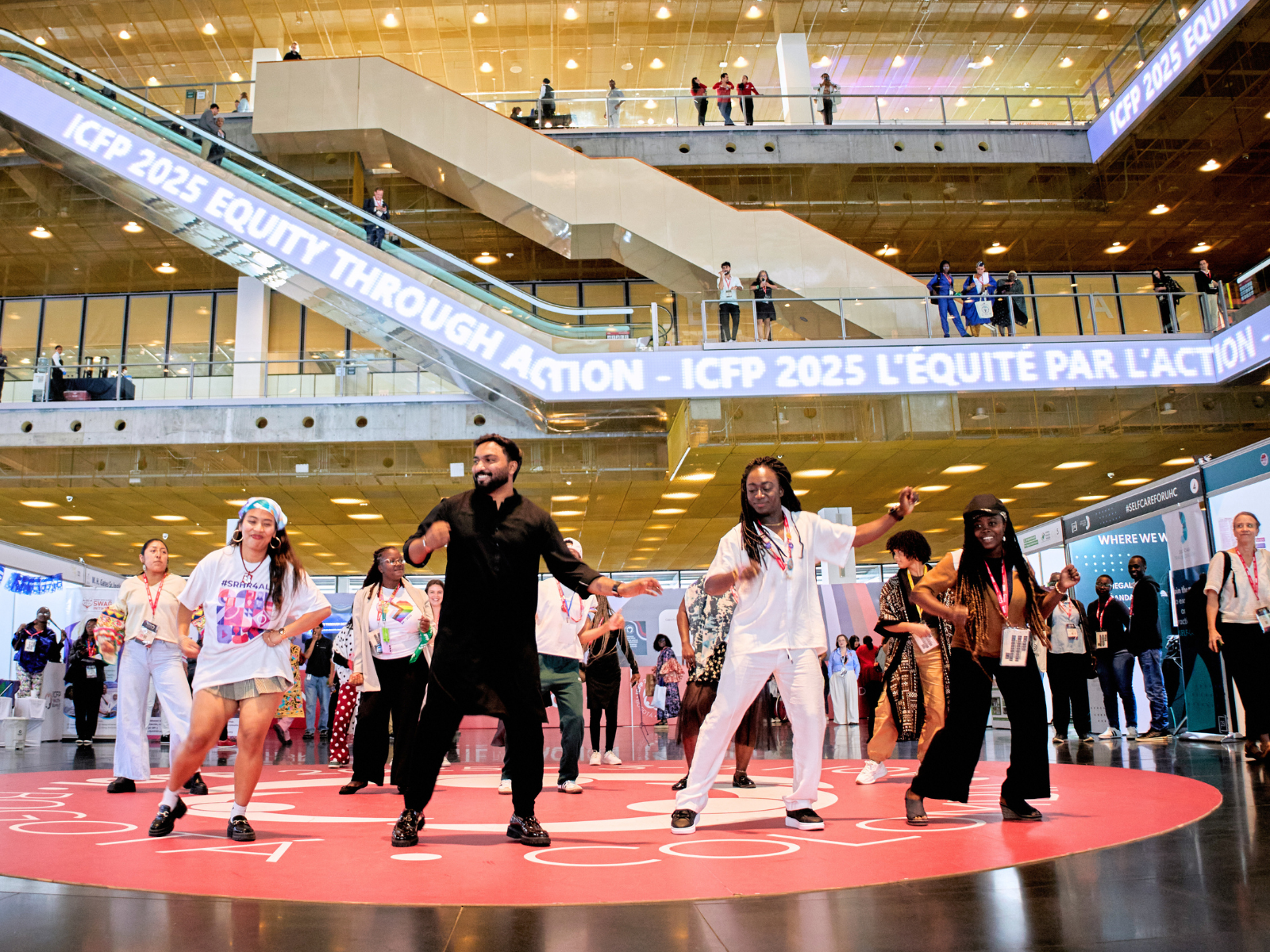
In the midst of a turbulent global moment for the global health sector, the ICFP platform hosted its first conference in the Latin America and Caribbean (LAC) region in Colombia. With a record number of abstract submissions and 3,500 attendees, ICFP 2025 catalyzed new partnerships, commitments, and momentum for SRHR worldwide while expanding its communities of practice and priority topics.
Through the ICFP 2025 Impact Hub, the full global family planning and SRHR community now has open access to recordings, summaries, takeaways, calls to action, abstracts, and more from the ICFP 2025 conference—designed to translate knowledge into informed decisions, break down barriers and silos, and accelerate progress in SRHR.
Learn More About ICFP 2025:
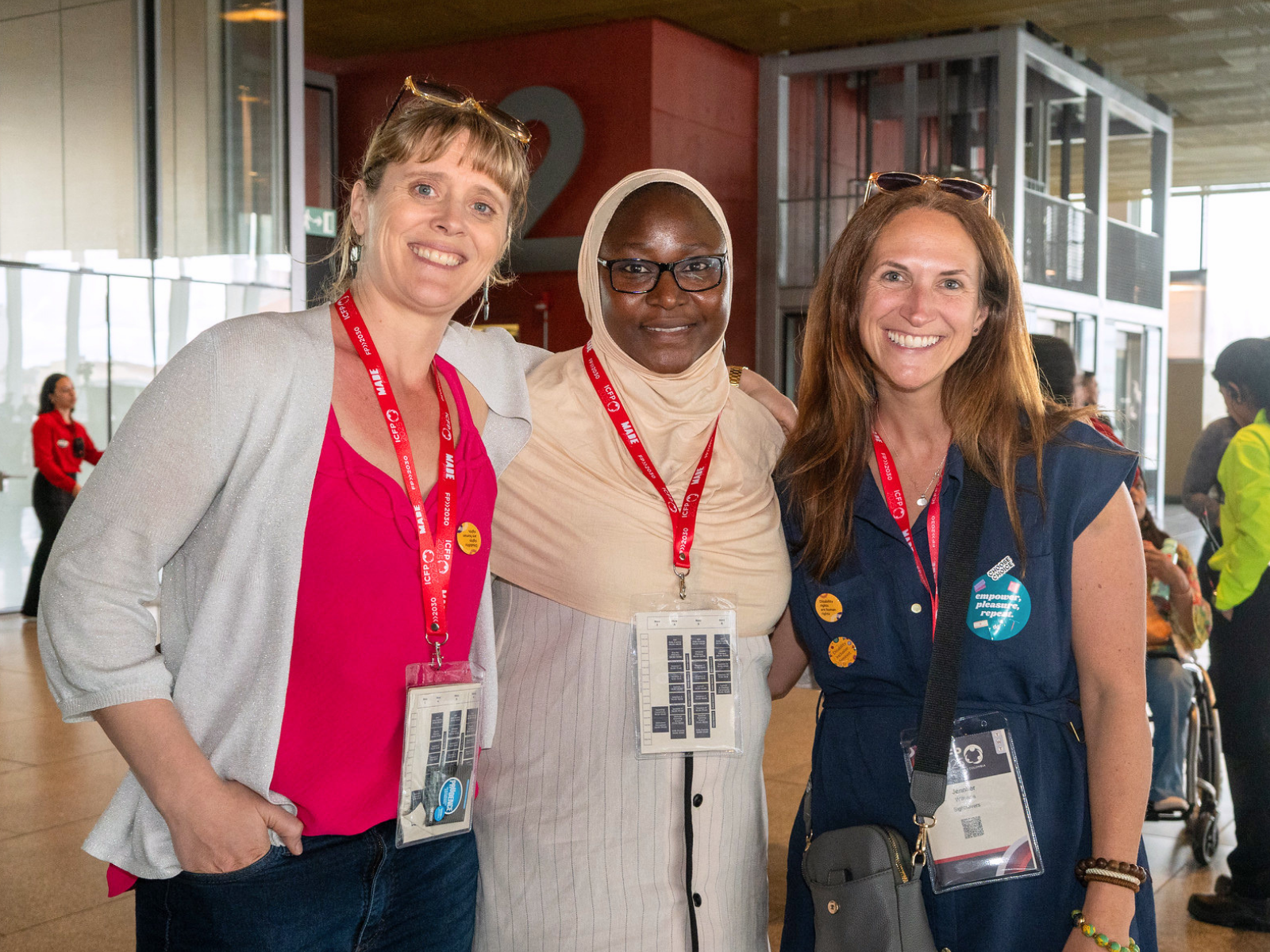
Held 1–6 November 2025 in Bogotá, Colombia, ICFP 2025 marked the first time the ICFP conference convened in the Latin America and Caribbean (LAC) region, bringing together more than 3,500 in-person delegates from 131 countries alongside additional virtual participants. Amid a turbulent global moment for reproductive rights, the conference catalyzed new partnerships, commitments, and momentum for SRHR worldwide.
The conference theme, “Equity Through Action: Advancing Sexual and Reproductive Health and Rights for All,” emphasized translating evidence and dialogue into measurable action. Sessions spanned research, program implementation, and advocacy, and were guided by 11 subcommittee communities that spotlighted priority issues, elevated emerging voices, and shaped conversations around advocacy and accountability, communications, youth, humanitarian and crisis settings, environment and climate, and more.
ICFP 2025 featured 191 scientific sessions across 14 thematic tracks, with more than 1,600 presenters, 870 abstract reviewers (189 super-reviewers), 44 track co-chairs, 178 moderators, and 32 poster judges. Additional programming included 10 plenaries, 40 spotlight sessions, 41 side events, 49 pre-/post-conferences, and 70 ICFP LIVE Stage sessions, providing opportunities for knowledge exchange, innovation, and cross-sector collaboration.
Political and youth engagement remained central: 40+ ministers and parliamentarians participated, while youth leadership was demonstrated by over 500 Youth Summit participants, 1,475 Youth Subcommittee members, and targeted mentorship and capacity-building programs—including solutions journalism training, WHO scientific writing workshops, and the Johns Hopkins Global Health and Leadership Advocacy Accelerator (GHLAA). Across 975+ represented organizations, 34 Ministries of Health, and 94 Lunch & Learn roundtables, ICFP 2025 facilitated unprecedented collaboration.
Following the conference, the ICFP 2025 Impact Hub was released, providing open access to session recordings, abstracts, takeaways, and calls to action. This resource translates knowledge into evidence-informed decision-making, strengthens programs, and accelerates progress across SRHR.
Research, Programmatic, & Advocacy Insights
- Scientific evidence and innovation: Showcased research, program implementation, and advocacy strategies addressing urgent SRHR challenges.
- Youth leadership and engagement: Advanced youth-led initiatives and strengthened intergenerational exchange for capacity building.
- Equity-focused approaches: Highlighted strategies to reach populations with high unmet need and promote SRHR for all.
- Cross-sector collaboration: Facilitated partnerships across government, civil society, research institutions, and the private sector.
- Capacity strengthening: Delivered targeted training for journalists, researchers, and community leaders to improve SRHR programming and advocacy.
Notable Achievements
- Record participation: 3,500 attendees from 131 countries, including 500+ youth leaders and 40+ ministers and parliamentarians.
- Scientific program: 1,618 presenters, 191 sessions, and rigorous abstract review processes.
- ICFP LIVE Stage & Impact Hub: Amplified emerging voices, interactive content, and accessible sessions for the global community.
- Global knowledge sharing: Free access to all session recordings, abstracts, and takeaways to support ongoing SRHR decision-making and program design.
- Capacity-building initiatives: Trained 240+ community members through workshops, mentorship, and specialized accelerators.
- Momentum for equity: Catalyzed new partnerships, commitments, and solutions to advance SRHR in LAC and globally.
ICFP 2025 demonstrated that the platform is more than a convening: it is a catalyst for partnerships, action, and measurable impact, advancing the global SRHR agenda at a critical moment for reproductive rights.
2026 & Beyond
How to Get Involved with ICFP Today
Become part of a global community of more than 50,000 SRHR researchers, implementers, and advocates—view the ICFP Platform Participation Agreement here and see how you can engage with ICFP below.



Want More Information?