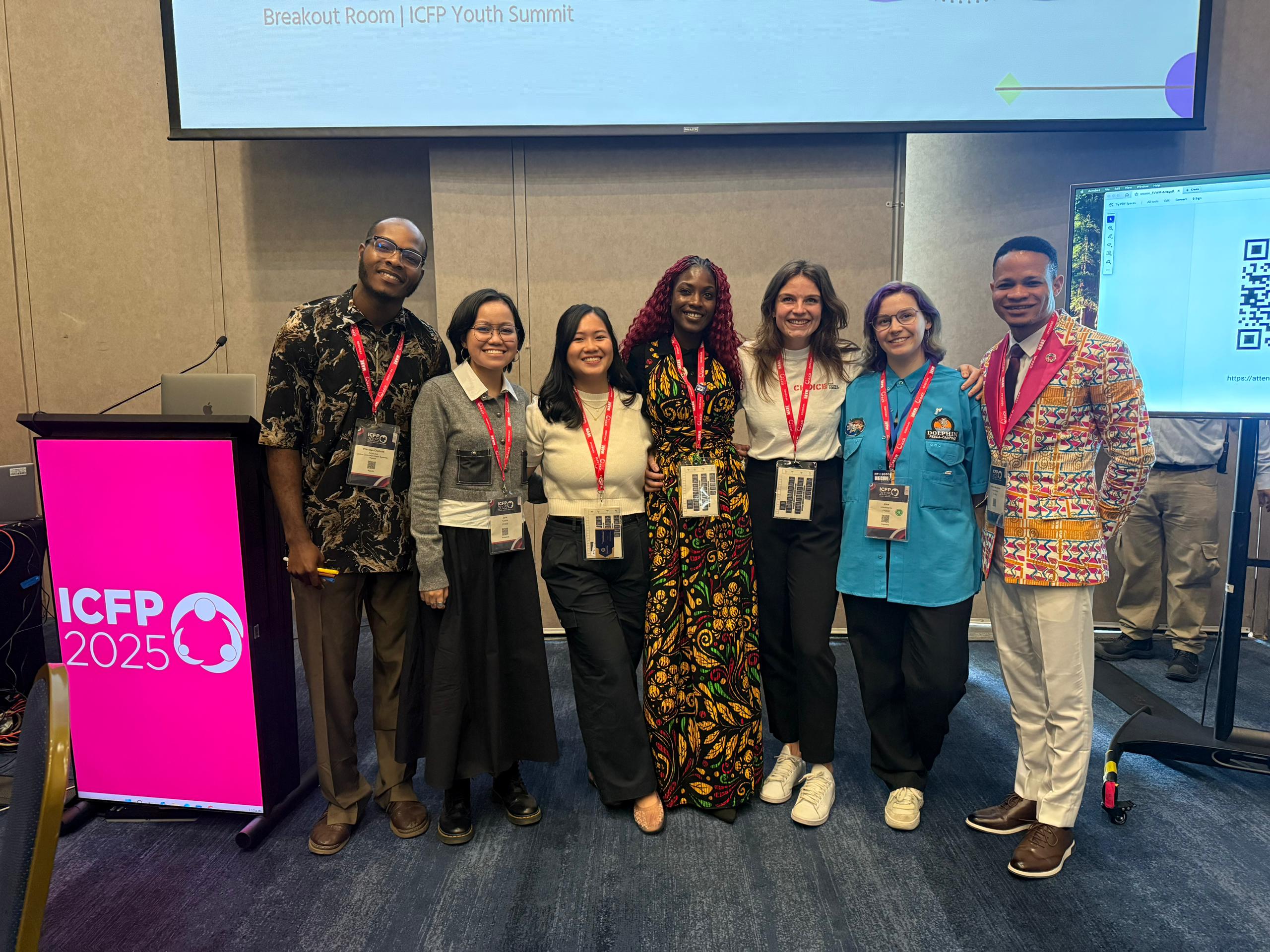
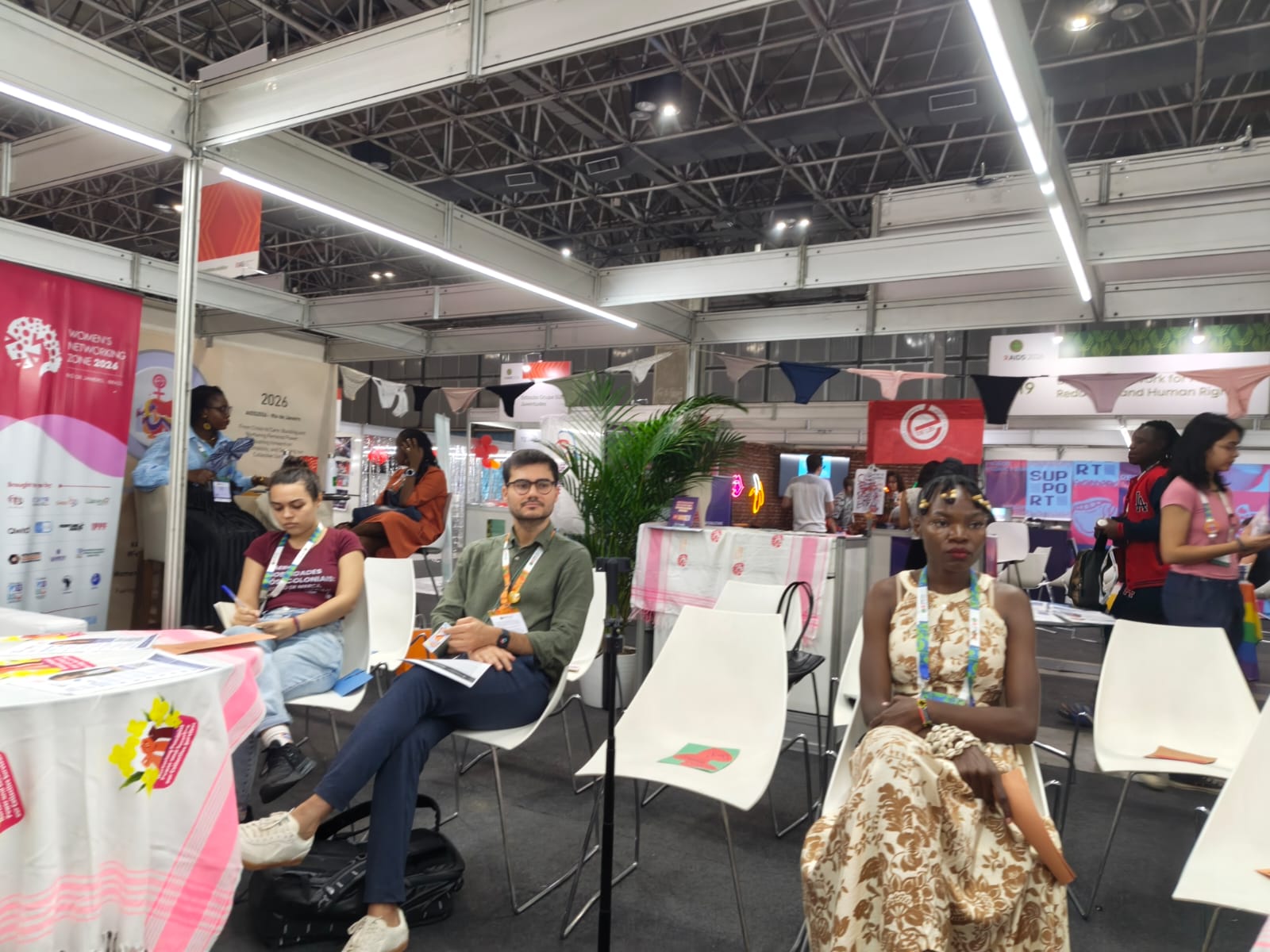
On 29 July 2026, the ICFP Power-Shifting Subcommittee hosted a session at the Women’s Networking Zone (WNZ) during AIDS 2026 in Rio de Janeiro, Brazil, to introduce the Equity Pause Checklist and create space for people to talk honestly about equity in HIV work. The WNZ was an open area in the Global Village where people walk in and out, and you never know who will show up. This time, about fifteen people came through, mostly English speakers, mostly women living with HIV, mostly people already carrying a lot.
The session started with two Slido questions: Who are you in the HIV movement? and How often do you pause to reflect on equity in your work? The answers made it clear that the people present were not the ones with institutional power. They were the ones dealing with inequity directly, often without support, and often without the ability to pause at all.
The Reality: Activists Don’t Get to Pause
A major part of the discussion centered on something we all know but rarely say out loud: activists are exhausted. Many are overworked, underpaid, and expected to deliver more than any reasonable job description would allow. Pausing is framed as a “best practice,” but for most people in the room, pausing feels impossible.
Participants talked about:
- Working with organizations that talk about equity but don’t practice it.
- Being asked to “show up” even when they’re burned out.
- Carrying emotional labor that isn’t recognized or compensated.
- Navigating strained resources and unrealistic expectations.
This wasn’t theoretical. It was personal. People shared experiences of being stretched thin, of not having time to reflect, and of feeling like the system relies on their exhaustion.
Lived Experience at the Center
One of the panelists, Yvette Raphael, shared reflections that grounded the conversation in lived experience and created space for others to speak openly. Yvette reminded us what it means to have lived with HIV for more than 20 years in an unequal world, and of the long and often difficult journey that she, and many others (some of whom are no longer with us) have had to navigate to bring us to where we are today.
Yvette also reminded us that women have had to work especially hard to ensure that their realities, needs, and voices are recognised within the HIV response, and that despite decades of progress, women and girls continue to bear a disproportionate burden. Her intervention brought attention to what it means not simply to survive with HIV, but to live a full and ordinary life with all its everyday pressures and stresses, while recognising how these can intersect with health and wellbeing. She illustrated this through something as seemingly routine as long-haul travel in economy class: the physical strain it places on the body, alongside the additional health considerations that a woman living with HIV may already be navigating.
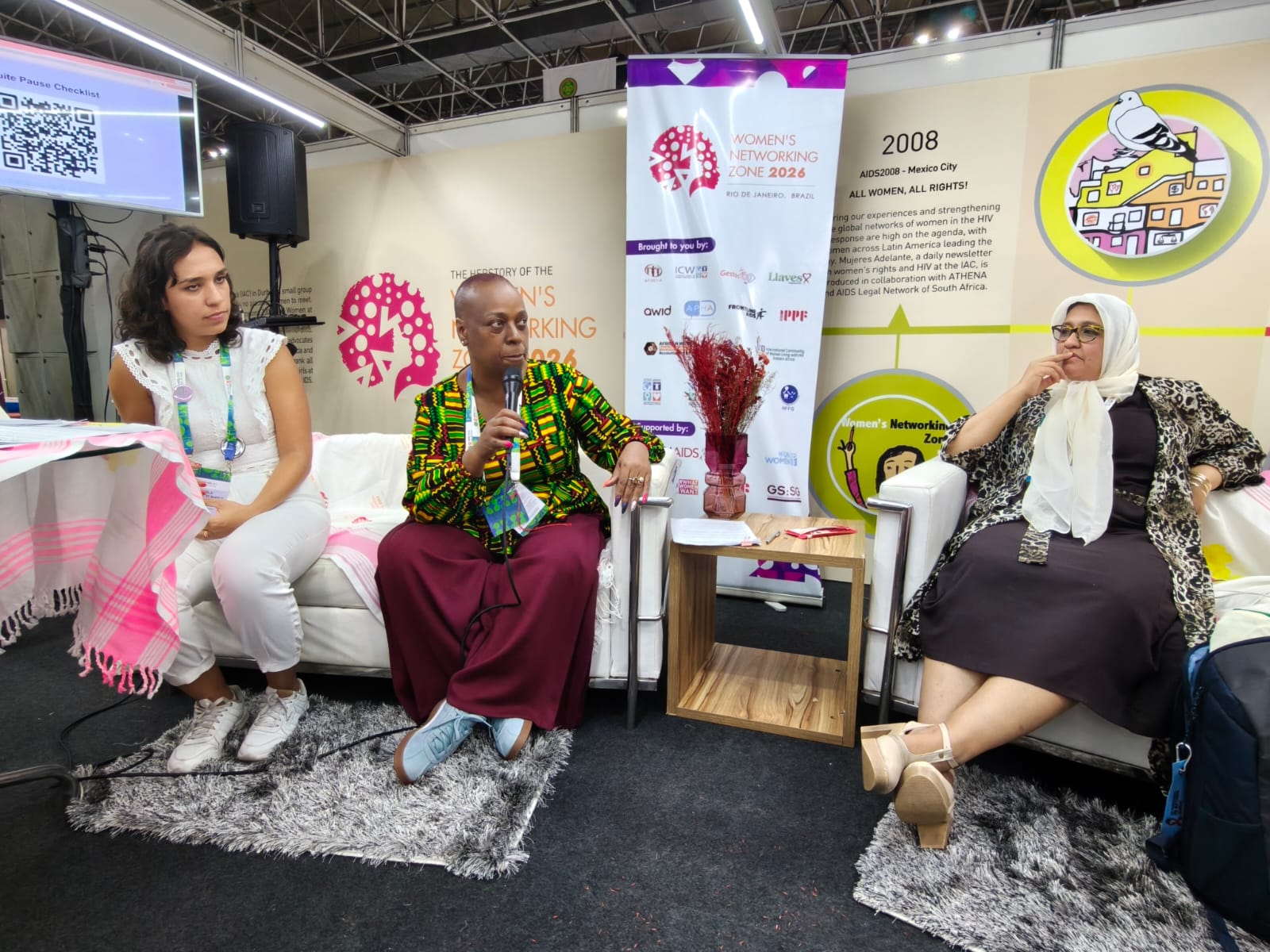
Yvette’s reflections were particularly powerful in a room that brought together different generations of the HIV response. Some participants were young and only beginning their journey in this space and were unfamiliar with the struggles that shaped the past two decades. Others were of a similar age but knew that history intimately because they were born with HIV and have lived its realities throughout their lives. This is precisely the value of the Equity Pause: it asks us to stop and recognise that people arrive in the same space carrying very different histories, experiences and realities. By understanding where these factors intersect and whose experiences may otherwise remain unseen, we create greater possibilities for equity, dignity and ultimately justice for all.
Printed copies of the checklist circulated with the microphone, and people used it to point out moments where a pause could have changed a dynamic or prevented harm.
The session quickly became less about “learning a tool” and more about naming what gets in the way of equity: speed, pressure, hierarchy, and the expectation that activists will keep pushing no matter what.
Multilingual Design, English Reality
Although the workshop was designed to be multilingual (English, French, Spanish, Portuguese), the conversation happened almost entirely in English because of who showed up. The multilingual framing still mattered, it signals that equity includes language access, but the reality was straightforward.
Roundtable Discussions and Commitments
Participants discussed how the checklist could help them slow down and reflect, even in small ways. Themes included:
- The gap between organizational equity statements and actual practice.
- The need for tools that help teams question assumptions before acting.
- The importance of naming power directly.
- The challenge of embedding reflection when resources are already stretched.
A Useful Session Needed for Additional Audiences
The workshop was valuable, but it also highlighted a clear gap: the people who most need to adopt the checklist were not in the room. The participants were the ones who already feel the consequences of inequity. They don’t need convincing. They need support, resources, and organizational structures that make equity possible. Future sessions should intentionally target decision makers. The tool is relevant and necessary, but it must reach people who can change systems, not only those who are affected by them.
Why Pausing Still Matters
Even when pausing feels impossible, it remains important. Reflection helps identify:
- Who is centered in decisions.
- Who is excluded.
- What assumptions are shaping the work.
- What power dynamics are being reproduced.
The Equity Pause Checklist is one way to make these questions part of the process rather than an afterthought. This workshop showed that people want and need this kind of tool, however it also showed that equity work cannot rely solely on those already stretched thin.