On June 10th, 2026, the ICFP Power Shifting Subcommittee and the WHO IBP Network Community of Practice on Shifting Power in SRHR reconvened for the second and final session in this webinar series. Where Webinar 1 asked what power shifting looks like inside organizations and communities, Webinar 2 turned the lens outward, toward the bilateral and multilateral agreements now reshaping how health, and SRHR specifically, gets funded and governed.
Goodness Odey opened by grounding the conversation in her own country’s experience, noting that Nigeria’s Ministry of Health has had to sign on to new bilateral arrangements under the America First Global Health Strategy, and framing the core question the session would return to again and again: what do these agreements mean for state sovereignty and for sexual and reproductive health outcomes. Nandita Thatte of WHO added that the session came less than a month after the World Health Assembly, where reform, financing, and sovereignty dominated the agenda, but where, in her words, true structural change is still something the sector is waiting to see.
- Bilateral, country-by-country compacts have replaced the pooled donor-funding model — and SRHR is rarely named, so it’s easily left out of the new terms.
- Panelists from Kenya, Zimbabwe, and WHO describe sovereignty eroding through conditionality and secrecy rather than force, and lay out what accountability could look like instead.
- The throughline: health diplomacy is about power — who holds it, whose interests it centers, and who bears the consequences when communities are left out of the room.
Setting the scene: what’s actually changed
Nadia Olson of Crossroad Consulting opened with a picture of the bilateral funding landscape. The pooled donor-funding model many countries relied on has given way to country-by-country compacts and memorandums of understanding, tied to conditions and domestic co-financing rather than the earlier, more predictable arrangements. Development assistance for health has fallen to roughly a 15-year low, and cuts have come not just from the United States but from the UK, France, and Germany in the same window.
Her central argument was practical rather than despairing: since donor priorities rarely center SRH, maternal and child health, governments still hold sovereignty over their own domestic health budgets, and can use new bilateral funding to free up domestic resources for the services donors won’t fund, something she called a “capital swap.” She pointed to Ethiopia and Nigeria as early examples, while cautioning that committed funding and executed funding are not the same thing, and that civil society has a role in holding governments to the commitments they make.
Four lenses on one architecture
The panel, moderated by Yumnah Hattas, brought together Samuel Kyalo (Legal & Policy Advisor, The Preclusion Project), Alanna Galati (WHO SRHR Policy Advisor), and Daniel Molokele (Member of Parliament, Zimbabwe).
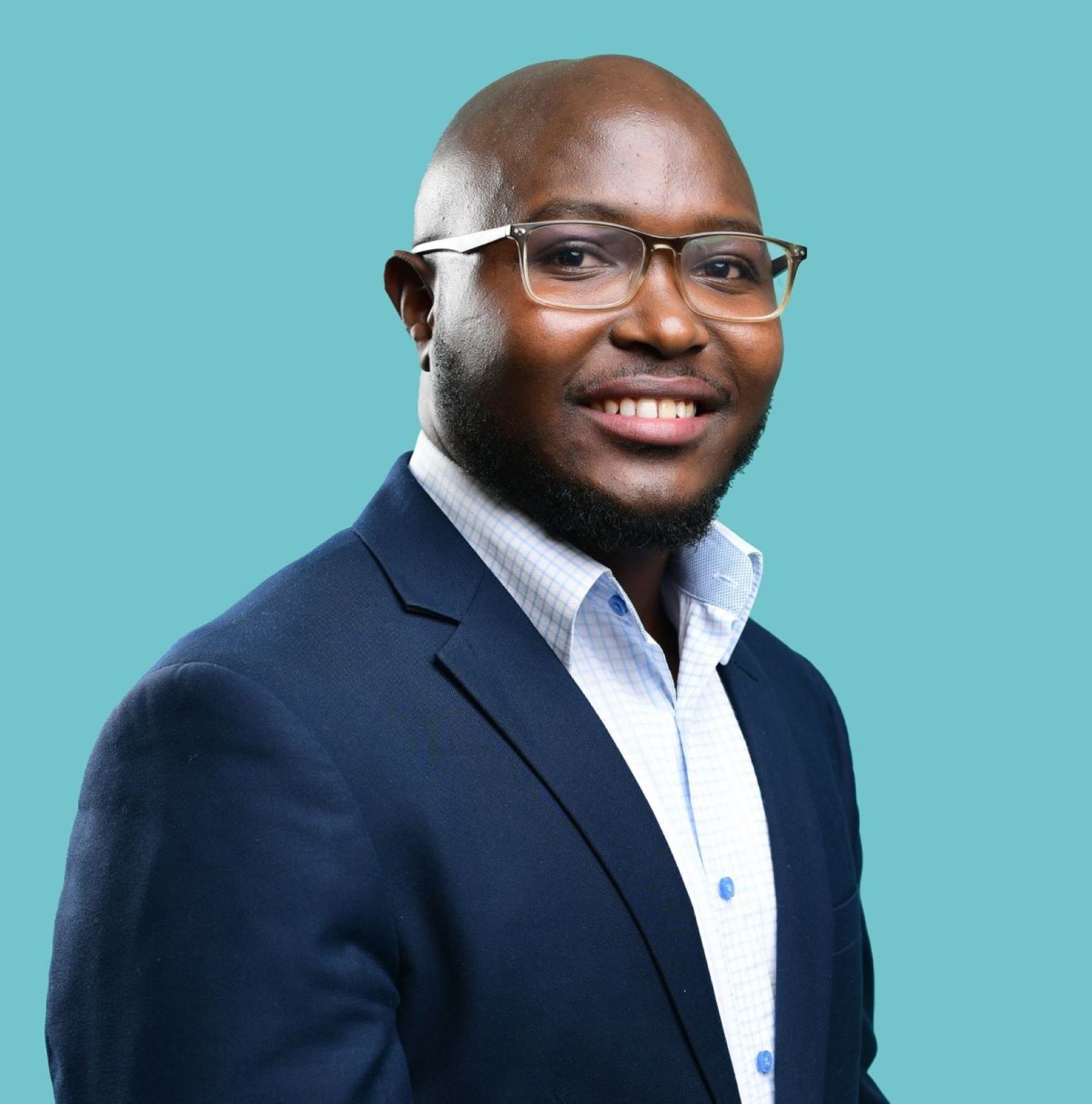
Samuel Kyalo argued that sovereignty today is rarely taken by force. It erodes through dependency and conditionality, often negotiated by the executive branch alone, without parliamentary involvement or public participation. He also flagged the rise of “soft law” instruments, like the Geneva Consensus Declaration, which are neither treaties nor formal bilateral agreements but increasingly shape health policy debate anyway. On accountability, he proposed three concrete avenues: routing agreements through parliamentary committees, pushing for bilateral and multilateral agreements to be published rather than negotiated in secret, and using courts, domestic and regional, when agreements undermine constitutional or treaty-protected rights.
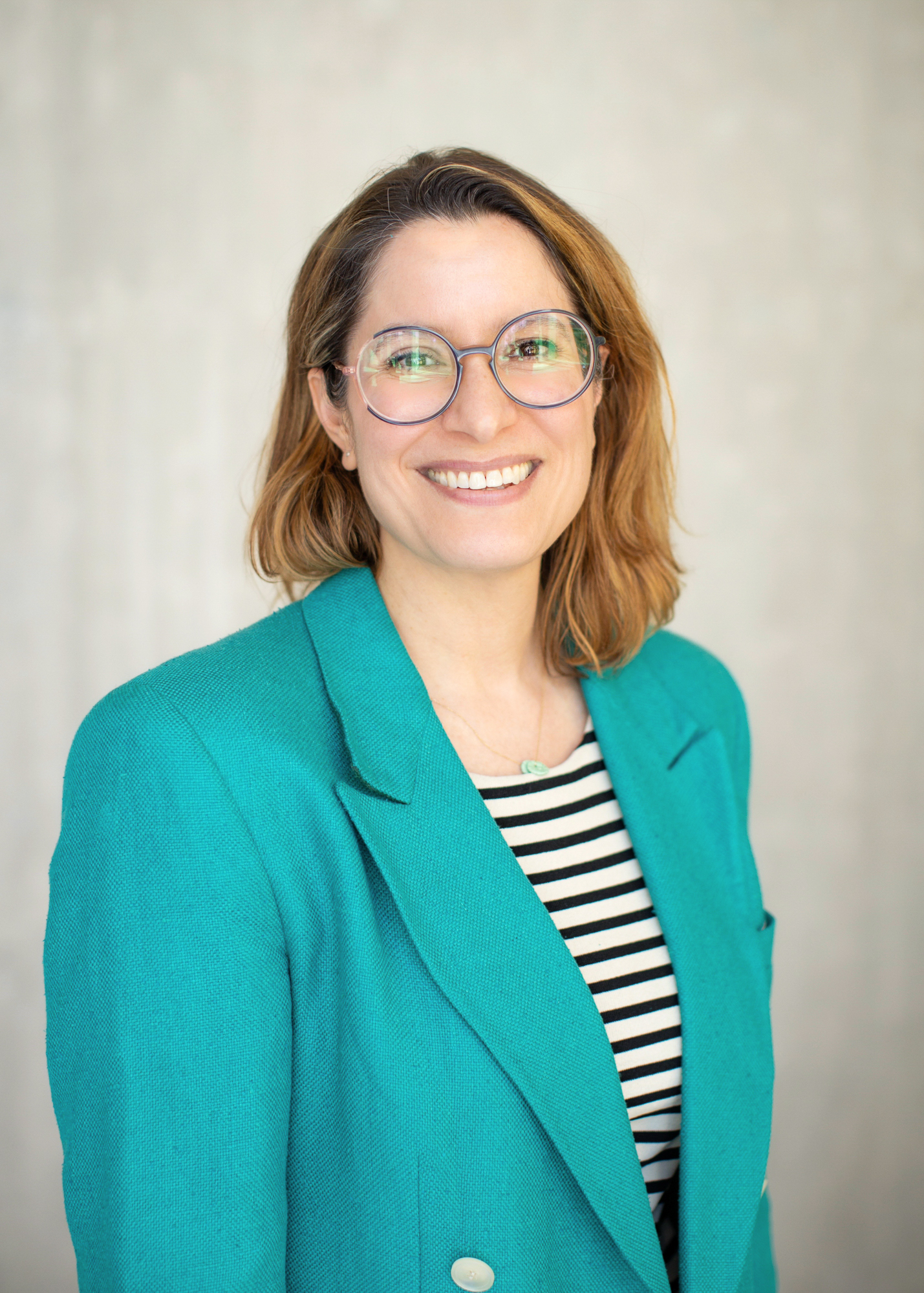
Alanna Galati brought the multilateral and WHO perspective, noting that last year 70% of WHO country offices reported disruptions to health services, with maternal and child health hit particularly hard. Her point was that SRHR doesn’t need to be named in an agreement to be affected by it; when it isn’t explicitly included, it tends to fall through the cracks between systems. She argued that publicly financed SRHR is more resilient to external pressure and better embeds rights into national systems, and pointed to integration into primary healthcare and smarter procurement as practical ways to protect services under fiscal strain.
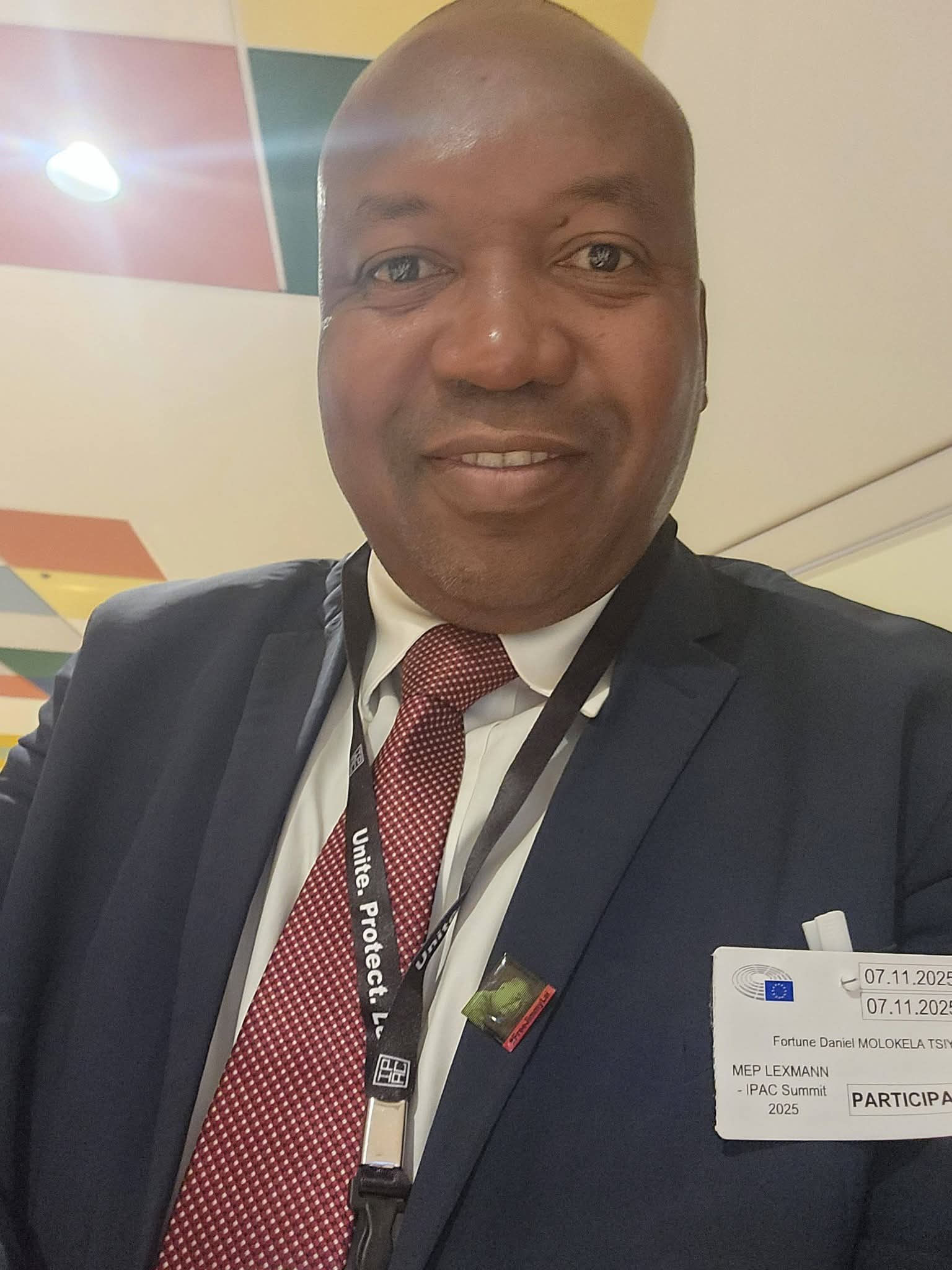
Daniel Molokele grounded the discussion in Zimbabwe’s experience, describing how negotiations with the United States broke down last year over sensitive data-sharing requirements, largely outside Parliament’s view. He was candid that health, education, and other social sectors compete poorly against national security budgets for domestic funding, and described ongoing efforts to ring-fence health-specific taxes (on sugar, tobacco, and other goods) so that revenue can’t be diverted elsewhere. His broader point was that excluding parliamentarians and civil society from these negotiations leaves the people most affected, including those depending on donor-funded treatment, exposed to decisions they had no part in shaping.
What participants added
Breakout groups pushed the conversation further. One group traced how foreign policy and election cycles abroad, citing the Mexico City Policy and Global Gag Rule as examples, can override local health priorities entirely, sidelining adolescent girls, LGBTQ+ people, sex workers, and rural communities in the process. Another, meeting in French, focused on the gap between community participation on paper and in practice, pointing to Senegal’s HIV response and WHO’s new civil society commission as tentative steps toward better representation. The Spanish-speaking group raised corruption in Guatemala, the high cost of pharmaceuticals despite existing legislation meant to lower them, and a rising conservatism making SRHR harder to discuss even within health systems.
The throughline
Yumnah Hattas closed the session with a framing that tied the day together: health diplomacy is never just about funding or technical assistance. It’s about power, who holds it, whose interests it centers, and who bears the consequences. She pushed the group toward a harder question than how to make existing arrangements less harmful:
What would health diplomacy look like if communities helped shape decisions from the start, grounded in solidarity and accountability rather than conditionality?
That wraps up the series
This closes our two-part Power Shifting in SRHR series for 2026. If you missed it, catch up on the Webinar 1 recap below, and watch the Webinar 2 recording in English, French, or Spanish.
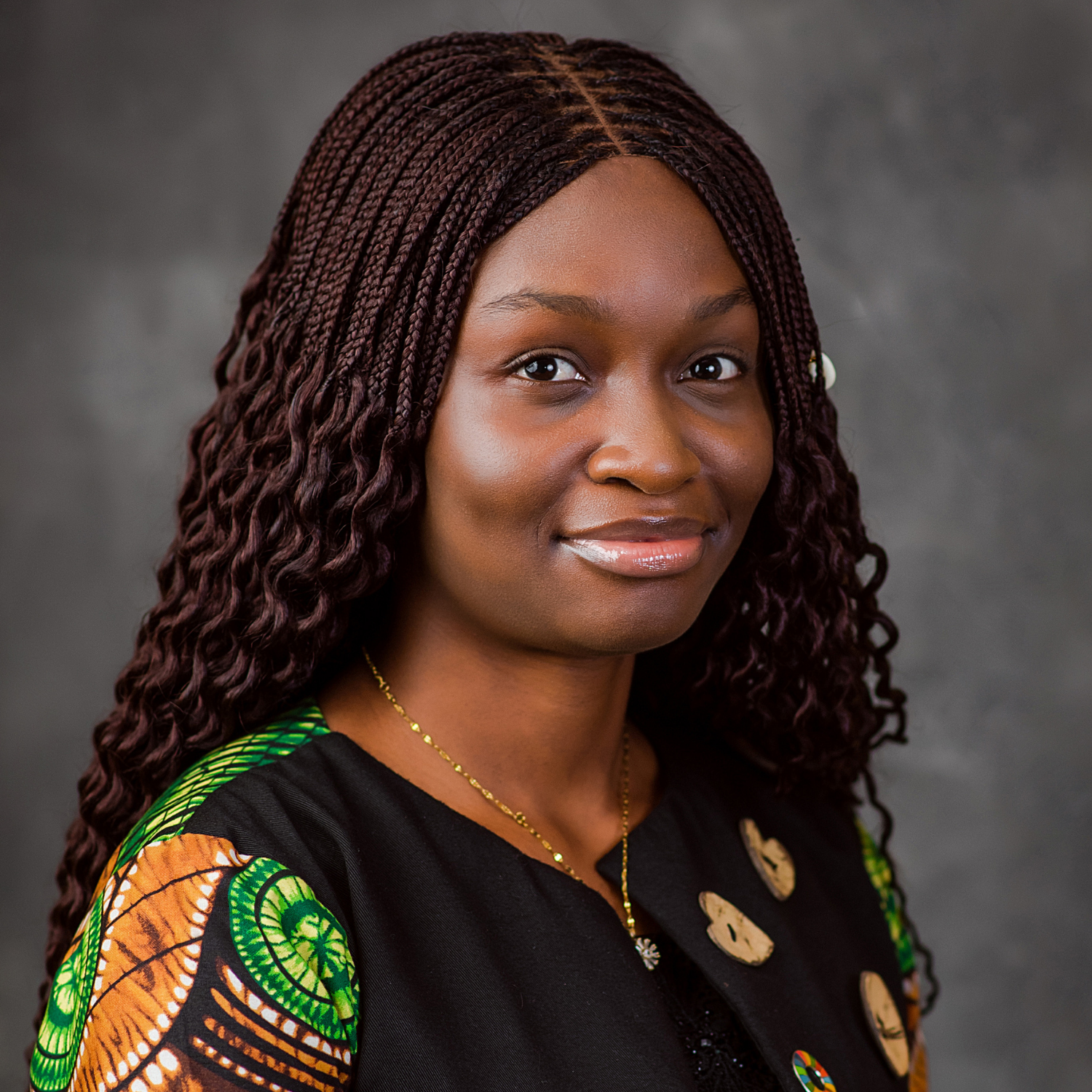
Goodness Ogeyi Odey is a Public Health Practitioner passionate about advancing health systems strengthening and equitable engagement toward global sustainable development and universal health coverage. She is a Chevening Scholar pursuing an MSc in Health Policy, Planning and Financing at the London School of Hygiene and Tropical Medicine (LSHTM) and the London School of Economics and Political Science (LSE). In 2022, she received the Diana Award and the ICFP Trailblazer Award in recognition of her leadership in advancing health equity in Africa through advocacy, research, and sustainable interventions. She currently serves as co-chair of the ICFP Power-Shifting Subcommittee and the Shifting Power in SRHR Community of Practice. Above all, Ogeyi is a child of God, and evidently, more than any eyes can see.