I watched a young girl displaced by the recent floods in Nepal, crying as she spoke about her struggle to manage her menstruation. Relief materials, including sanitary pads, had somehow reached her. But she did not have underwear to use the pad.
Imagine how climate disasters have entered the most intimate parts of our lives here.
I have worked on sexual and reproductive health and rights for half a decade now. In relation to the climate vulnerability my mountainous country sits within, I have spoken about the relationship between SRHR and the climate crisis, about climate-resilient health systems, with young people, healthcare providers and governments. But something about watching her made me, and I believe, the entire country feel that intersection as deeply painful and plainly unjust.
And that is why we, young people in Nepal, and our government are asking the world for climate justice today. Because the consequences of a crisis we did not create are now at our doorsteps and in our bodies.
When the Water Recedes, the Needs Don’t
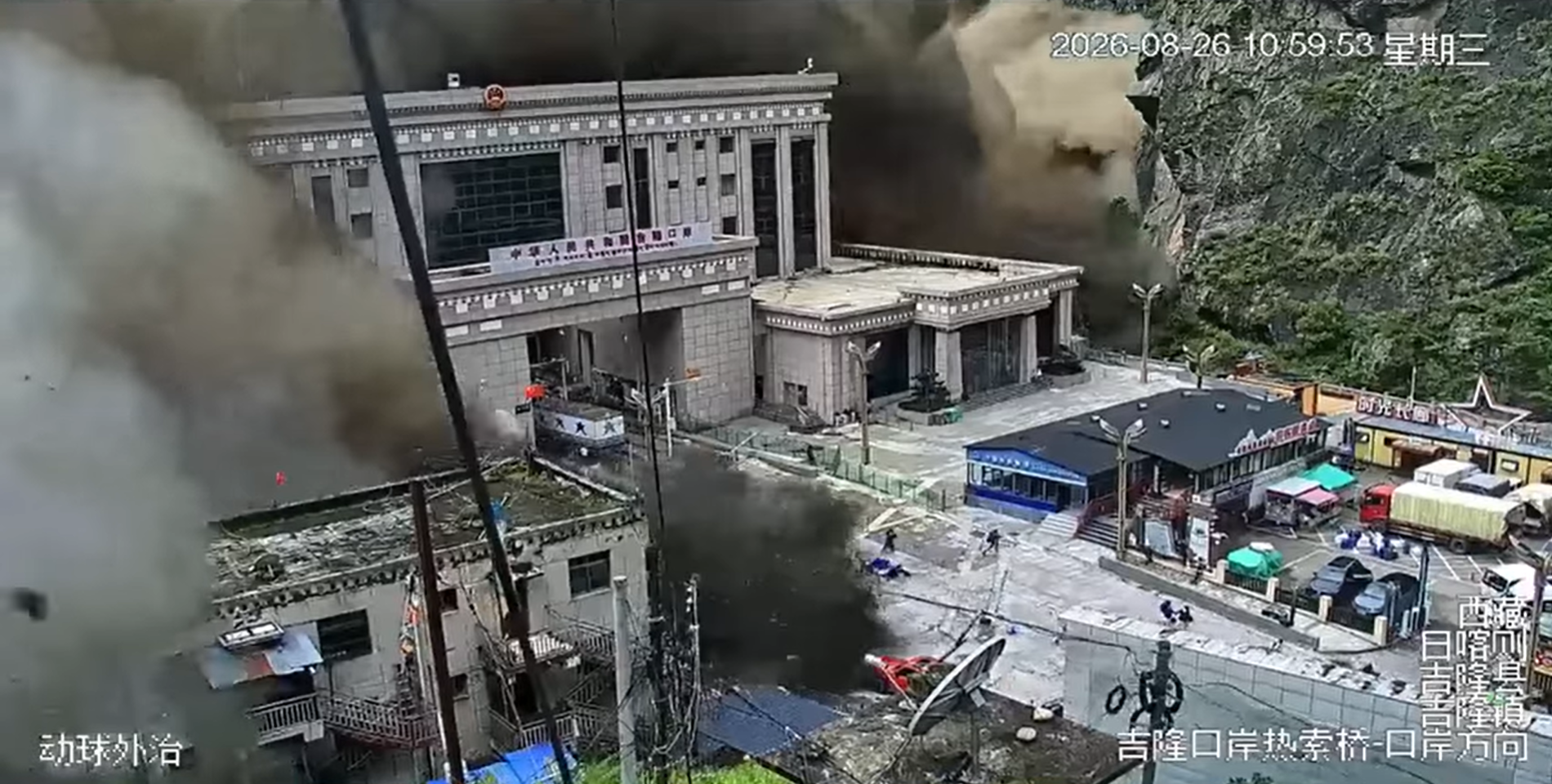
On August 26, flash floods hit communities along the Bhotekoshi–Trishuli corridor following a glacial collapse in the Himalayas in Nepal. Not just our villages, roads, bridges and health facilities were destroyed, but hundreds are dead, thousands are still missing, and many more have been displaced. The scale of the loss is still unfolding.
UN Women estimates that around 160,000 women and girls have been directly or indirectly affected in Rasuwa and Nuwakot, the hardest-hit districts. Heartbreakingly, behind these numbers are very ordinary needs that do not disappear during a disaster. In the immediate aftermath, the priorities have, understandably, been rescuing people, providing food and water, and finding shelter. But while the flooded river is still flowing, women are still menstruating. Yet safe toilets, clean water, soap and menstrual products have been a challenge far bigger than we might presume.
Pregnancies have not paused. Displaced mothers are giving birth, with fathers struggling to find something as basic as a piece of cloth to wrap their newborns and their wives in. Pregnant women still need check-ups and access to emergency care. People still need contraception, abortion care, privacy, water, sanitation and safety. Additionally, based on Nepal’s past experiences following disasters, women and girls face heightened risks of gender-based violence in displacement and shelter settings, while girls who have lost their parents or guardians may face increased risks of trafficking and exploitation.
In a disaster, these needs can easily be pushed aside in the urgency of immediate survival. But for the people living through it, they are part of survival too.
What Would Climate-Resilient SRHR Look Like?
As an SRHR advocate, the disaster has left me pondering two things. First, how much we need to rethink the way we do our work. And second, how relentless global carbon emissions have reached into ordinary lives here in Nepal.
We have talked about climate-resilient health systems. But perhaps we now need to ask ourselves what climate-resilient SRHR actually looks like.
Are our services prepared when roads are washed away?
Are reproductive health supplies reaching people in shelters?
Can pregnant women still access care? Can adolescents manage menstruation with dignity?
Can someone seeking contraception or abortion still access it when their health facility is no longer functioning?
We may not be in a position to have these conversations while we are still dealing with the immediate aftermath here. But perhaps this is exactly when those of us in other climate-vulnerable geographies need to be asking them.
These cannot be questions we ask only after a disaster. They need to shape how we design our programmes, our health systems and our advocacy now. And again, I say this not just in the context of Nepal, but for other climate-vulnerable countries as well. Because climate change is evidently no longer a separate issue from SRHR. It is now a condition we are being forced to live with, and our work has to reckon with that reality.
A Crisis Nepal Did Not Create
Now, the second thing I keep thinking about is harder for me to sit with.
Nepal contributes only around 0.1% of global greenhouse gas emissions, yet we are suffering some of the most serious climate threats. It is unfortunate, and it is not fair. The Government of Nepal has now sought support from the Loss and Damage Fund, expressing that the scale of destruction is beyond its immediate capacity to respond.
Thus, in a fair sense, climate justice also cannot simply mean asking countries like Nepal to become more resilient. We need the resources to build that resilience before climate-induced disasters happen, support for loss and damage when they do, and meaningful action to reduce the emissions resulting in phenomena such as glacial retreat and collapse.
Today, climate justice, for me, is not an abstract demand anymore. It is about whether a girl displaced by a flood can manage menstruation with dignity. It is about whether a pregnant woman can reach a health facility, whether a mother can safely give birth, and whether a family has what they need to care for a newborn. The climate crisis is already shaping these ordinary, intimate parts of life. And those of us working on SRHR need to be ready to respond to that reality: not someday, but now.
If we are serious about SRHR, we have to be serious about the climate we are asking people to live in.