ICFP News & Blog Posts
Stay informed with the latest stories from ICFP and the global family planning and SRHR community.
Featured Post
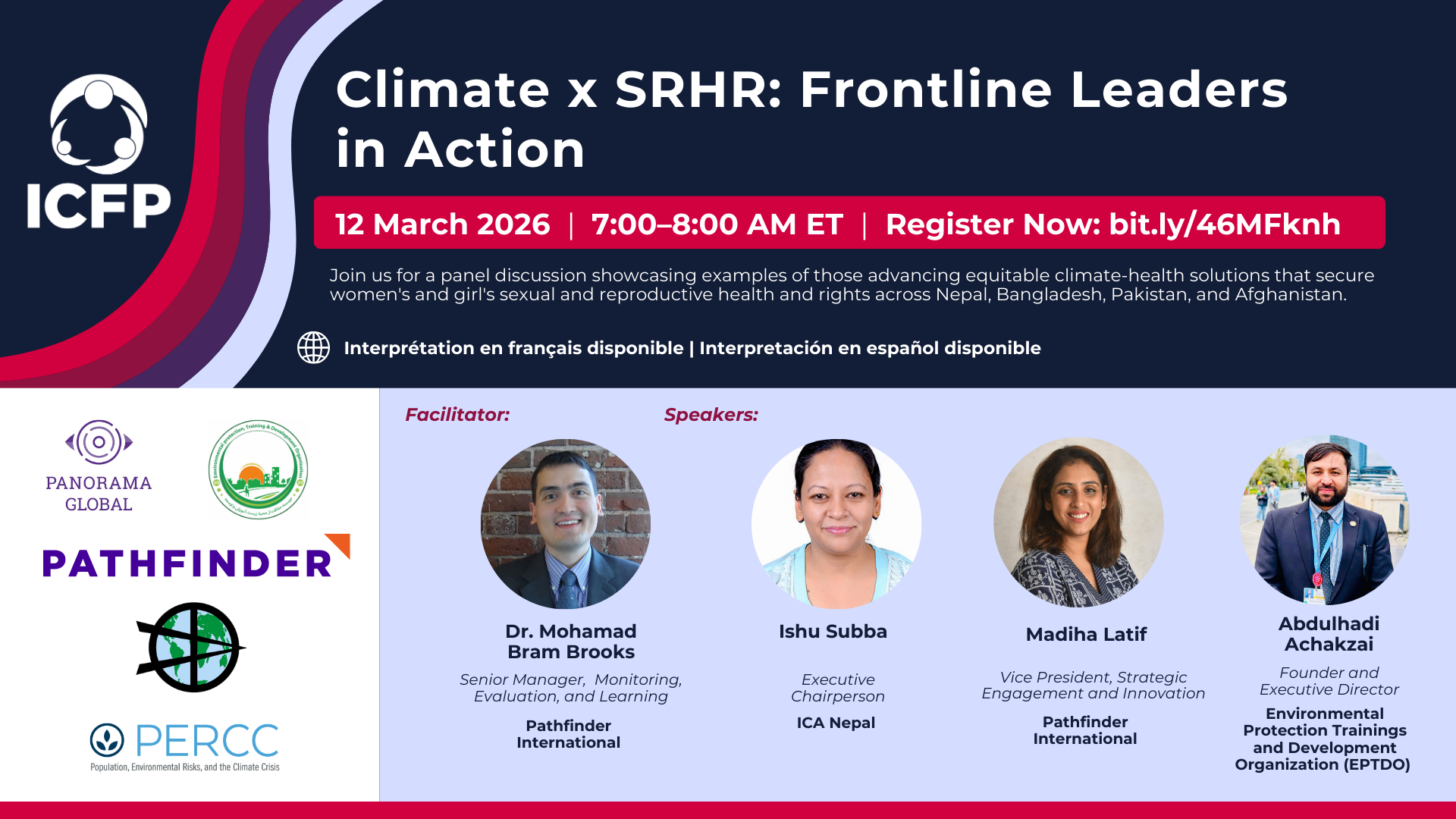
Climate change is increasingly disrupting health systems, threatening livelihoods, displacing communities, and undermining access to essential services—particularly in regions least responsible for the crisis. Extreme weather events such as ...
No results found.
All Posts
Integrating Family Planning into Universal Health Coverage Efforts
ICFP & The Moth: Global Storytelling Virtual Workshops
The International Conference on Family Planning has an ongoing partnership with The Moth, an acclaimed organization dedicated to the art and craft of personal storytelling. Through this partnership, The Moth hosts storytelling workshops for our ...
As COVID-19 Soars in Latin America, Digital Innovations Offer Women and Girls a Lifeline
We know that women and girls feel the disproportionate weight of this crisis. The same restrictions on movement that aim to curb the virus’s spread are having devastating effects on access to critical health services, including essential sexual and reproductive health services. The United Nations Population Fund (UNFPA) estimates that some 18 million women across Latin America and the Caribbean will lose access to modern contraceptives due to the strain on health systems and massive disruptions in family planning programming and supply chains.
Embrace Self-Care to Improve Sexual and Reproductive Health
Heinous injustices against women and girls, and the devastating outcomes that follow, are on the rise. Worldwide, restrictions designed to limit the movement of people and stop the spread of the virus have inadvertently made violence in homes more frequent and severe. Sexual and gender-based violence is festering in these conditions, prompting the leading UN women’s agency to expose it as the “shadow pandemic.”
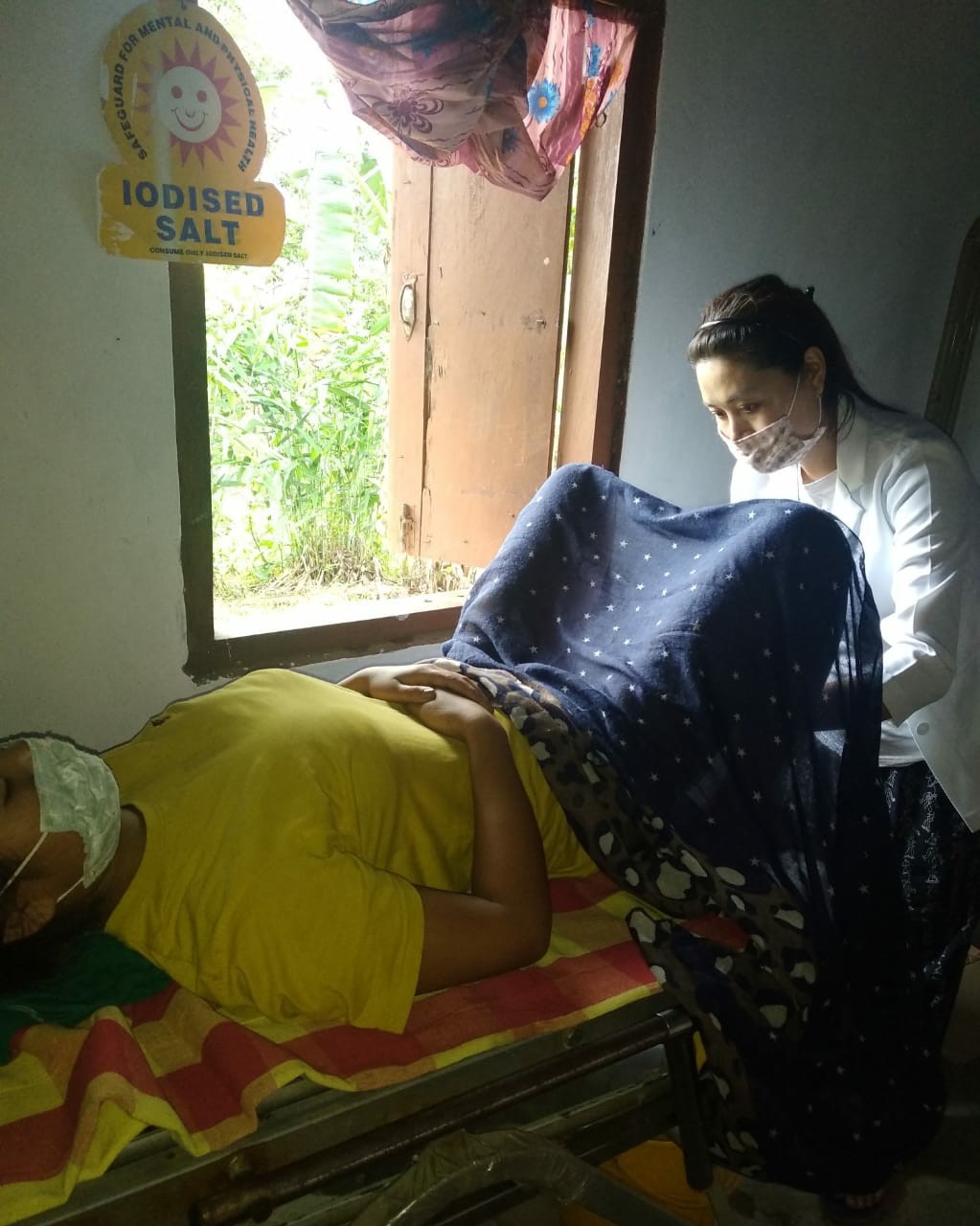
In a far corner of India, nurses provide family planning services to women despite a pandemic
By Krithika Murali
Nurse Akumla had studied, worked and sacrificed so much, all to ensure that underserved women living in one of India’s most remote and rugged regions—Longleng district in the far northeastern state of Nagaland—have access to ...
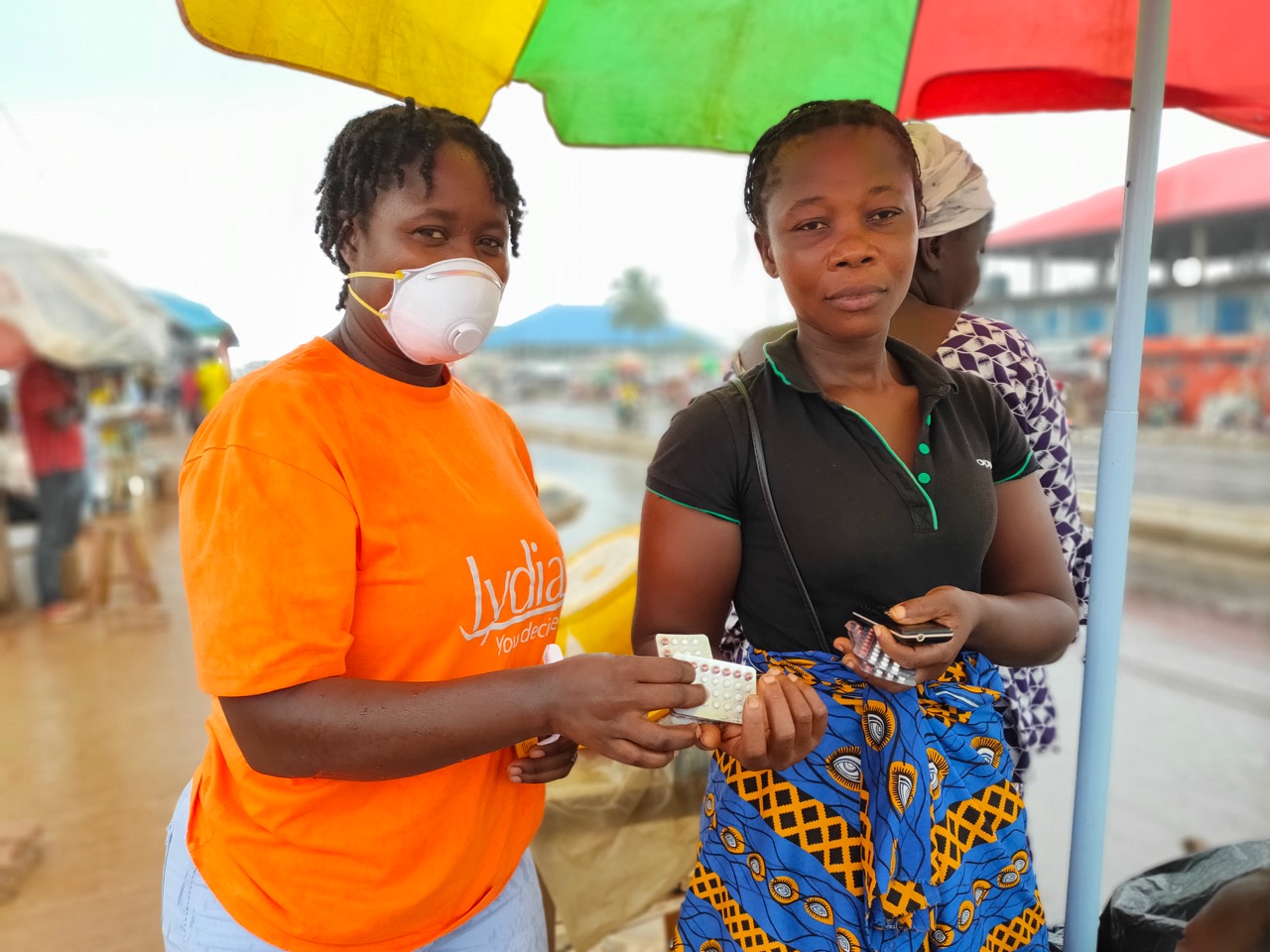
Reflection on Our COVID Response: DKT Anglophone West Africa
With the public’s purchasing power endangered by the pandemic, DKT Liberia opted to offer six-months’ of its Lydia oral contraceptives free-of-charge via home-delivery, a move sure to reduce the financial burden of family planning and mitigate COVID risks, all without sacrificing sustainability.
Country-level Action for UHC and Ensuring Universal Access to SRHR
Protecting Women’s Health and Rights During COVID-19
Like elsewhere, women in West Africa have been disproportionate victims of COVID-19 in terms of their rights, health and autonomy. Government and donor action is decisive in health crises by including civil society and taking measures to prevent rather than reinforce women and girls’ vulnerability.
Leading the Charge: Insight into Country-level SRH Advocacy in Zambia’s UHC Financing Reforms

Accessing family planning methods in India during COVID-19
COVID-19 has changed the way that we live our daily lives around the world. In India, households have been under lockdown since 25 March, forcing significant changes to healthcare seeking behavior. Leaving home to see a doctor or to go to the pharmacy has become more difficult and the pandemic has disrupted family planning products and services, despite it being a critical need and declared an essential service by the national government. While the pandemic may have impacted many aspects of our lives, people still need access to family planning services and products; having the global economy on pause doesn’t mean that sex has stopped. Applying digital savvy and a strong understanding of consumer behavior at scale, Nivi can help users exercise greater choice and agency and intent along their health journey, in short, better self-care. To empower consumers and overcome barriers, Nivi has created online alternatives via e-pharmacies and digital consultations for askNivi users. Users now receive referrals for online services to fill the needs of going to the pharmacy and getting prescriptions and consultations from physicians, based on their conversations with the askNivi platform.

Is there an association between readiness and action in adopting family planning?
Nivi shares the goal of FP2020 to reach millions of additional users of family planning who want to delay or prevent pregnancy but are not using modern methods of contraception. In order to realize behavior change and drive uptake of family planning methods, askNivi creates a relationship with people over time, and we are learning to detect and tailor content to encourage action at different stages of readiness. To better understand and gain insight into Nivi’s ability to predict readiness to act, we analyzed a subset of 920 Kenyan women ages 18 to 49 who asked askNivi a question, completed an automated family planning (FP) screening, received method recommendations, and were asked if they had visited a facility and taken up a method in 2019.
2 Million and Growing!: A Look Back (and Forward) on the Evolution of Nivi
By Diana Klatt. Originally posted on www.medium.com.
Things may seem tumultuous in the world right now but not here at Nivi — we’re excited to share the news that we’ve reached 2 million users! That’s 2 million users that we are guiding ...
No results found.
Sponsor Posts
The ICFP 2025 conference was made possible through the generous support of our sponsors, who share a commitment to advancing sexual and reproductive health and rights (SRHR) for all.
To keep the positive momentum from ICFP 2025 going, we invite you to explore guest columns from our conference sponsors—sharing insights, innovations, and experiences that are shaping the global SRHR movement.