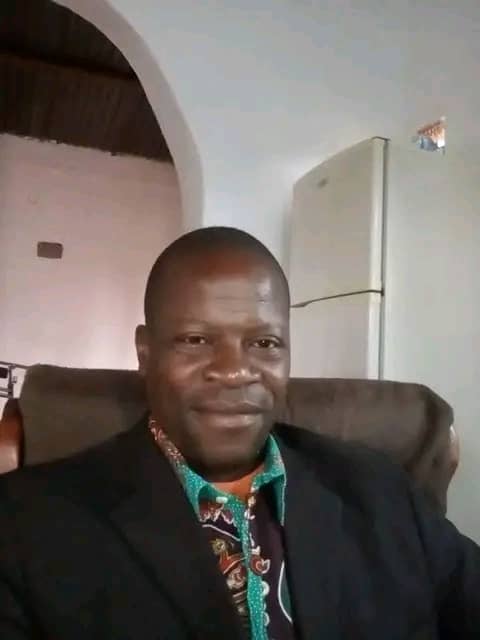
One of the clearest threads running through the Power Shifting in SRHR webinar series was a simple but demanding idea: that communities understand their own needs better than anyone arriving from outside, and that real power shifting means trusting them to lead accordingly. Few people put that idea into daily practice as directly as Jimmy Mzilahowa. As Founder and Executive Director of TWESA in Community Development, a grassroots community-based organisation he established in 2015 in Karonga District, Northern Malawi, Jimmy has spent a decade building not just programs, but the local infrastructure for communities to identify their own priorities and act on them.
Building from the ground up
TWESA’s work spans women and youth empowerment, maternal and child nutrition, environmental sustainability, education support, and sustainable livelihoods for rural communities that are often the last to be reached by larger development actors. But what sets the organisation apart is less any single program than the space it has created for communities to define their own path forward.
At the center of that work is TWESA’s community resource center, a safe learning and engagement hub for children, women, youth, and community groups. It hosts community feeding programs, educational activities, a small library, youth mentorship, and skills development, alongside ongoing discussions on health, sanitation, and social wellbeing. More than a service point, the center has become the place where communities identify the challenges they face and work out solutions together, a local platform for exactly the kind of agenda-setting that power shifting, as a concept, is meant to protect.
TWESA has also built a culture of local fundraising and participation, encouraging community members to contribute ideas, materials, labour, and small financial support toward the initiatives that affect their own wellbeing. It’s a deliberate choice, and one Jimmy sees as central to sustainability. When people contribute directly to a solution, they become active partners in it rather than recipients of it, which strengthens ownership, unity, and accountability, and reduces dependency on external assistance over time.
Jimmy Mzilahowa on trusting communities to lead
Jimmy describes his approach to power shifting in straightforward terms: communities themselves understand their needs best, and should lead the decision-making processes that affect their own development. TWESA’s partnerships with volunteers, local leaders, and development stakeholders are built around that principle, with a particular focus on creating genuine space for women and young people, groups too often left out of decisions made about them rather than with them.
His reflections on what makes this work distill into a few clear insights. Sustainable development works better when communities are trusted to lead with their own knowledge and experience, rather than implement plans designed elsewhere. Spaces like TWESA’s resource center matter because they give people somewhere safe to access information, build local leadership, and organise around shared challenges. Local fundraising and participation build lasting ownership precisely because people become contributors rather than passive beneficiaries. And bringing women and young people actively into decision-making strengthens accountability and impact, not as an afterthought, but as a condition for the work to hold over time.
It’s a model built for exactly the conditions the wider SRHR sector is now grappling with: shrinking external funding, and a growing recognition that communities, given the trust and the platform, are often already equipped to lead.
Organisation information
Organisation: TWESA in Community Development (TICOD) Location: Karonga District, Northern Malawi Contact: Jimmy Mzilahowa, Executive Director
————————————————————————————
This is part of an ongoing series of member spotlights from the Power Shifting Subcommittee, drawing on the themes raised throughout the 2026 Power Shifting in SRHR webinar series.