By Mauli Mehta
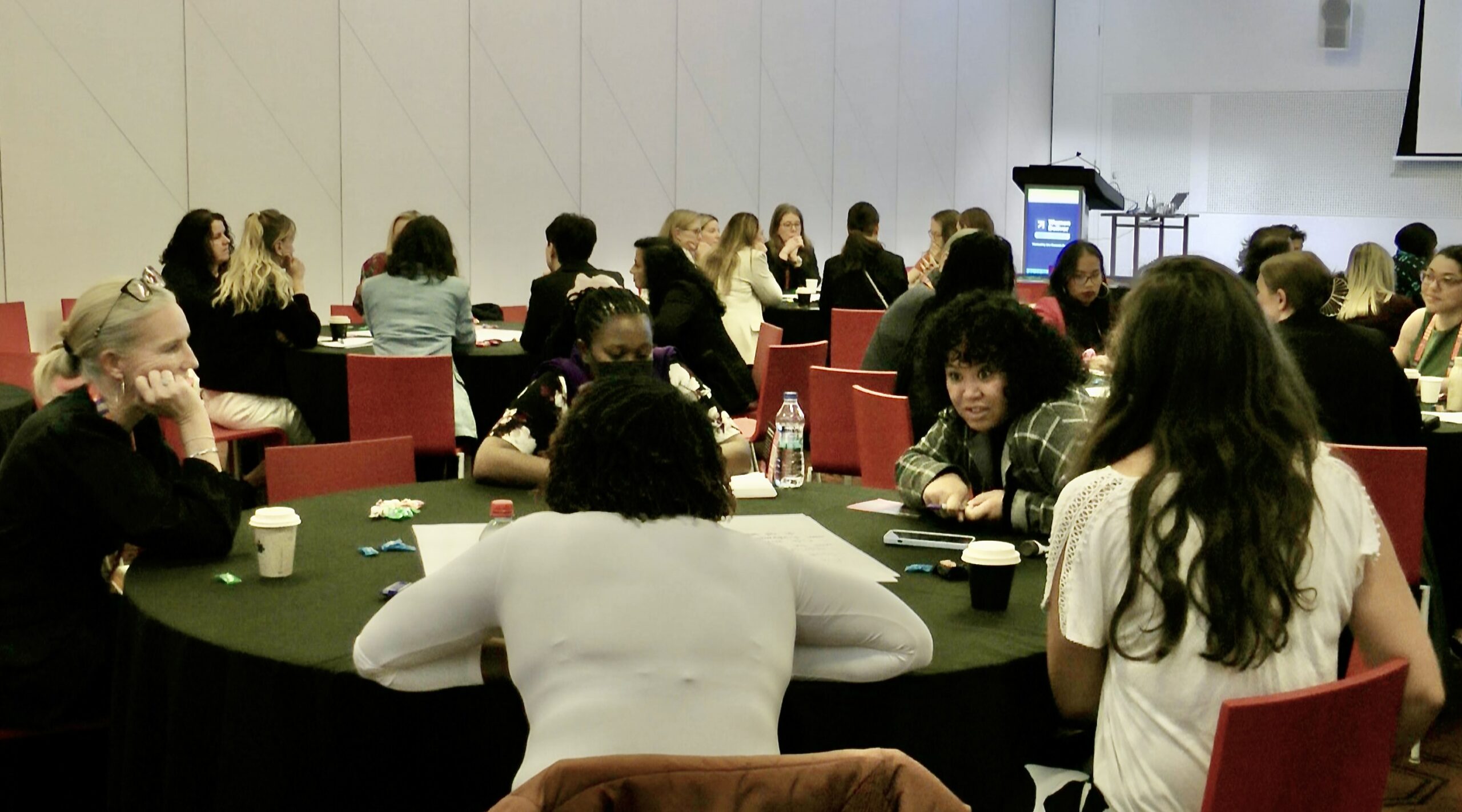
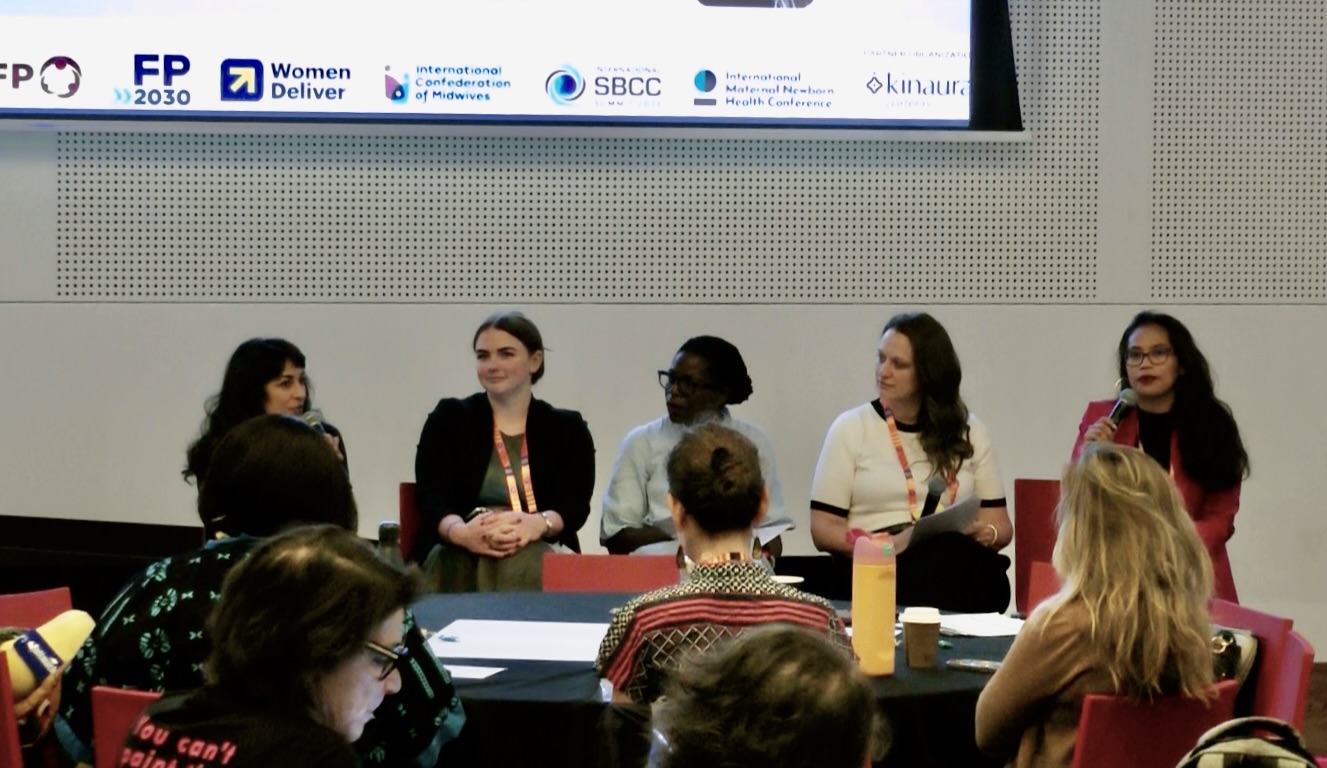
At the Women Deliver Conference in Melbourne, the Stronger Together Coalition brought together sexual and reproductive health and rights (SRHR) advocates, communicators, and movement leaders for a session focused on combatting the anti-rights landscape. The people in the room left with one question ringing in their ears, one that Dina Chaerani, Indonesian SRHR activist and session moderator, used to close the session: is the SRHR movement as coordinated and effective as the anti-rights movement?
The battle is narrative, not just legal
Dina opened with a provocation that reframed the entire conversation. The challenge facing SRHR advocates is not primarily scientific or legal: it is a story problem. Anti-rights actors have spent years and billions of dollars systematically reframing contraception as dangerous, comprehensive sexuality education as ideological corruption, and abortion as murder. The downstream effects are real: clinics lose trust, teachers self-censor, journalists pull back, and young people stay silent to stay safe.
“Before you change a law, you can change the story. And that’s the missing point.”
But the reality is this: 164 million women still have an unmet need for contraception. Approximately 45% of abortions globally are unsafe. This is not a debate about values–it is a public health emergency being actively worsened by coordinated disinformation.
Disinformation is upstream of misinformation
Lauren Wetzsteon Tufo of the Gates Foundation drew a distinction the movement urgently needs to internalize: misinformation is incorrect information. Disinformation is deliberate, well-funded, and strategically deployed and it is the source feeding the misinformation we spend most of our energy correcting. Anti-rights messaging is not spontaneous. It is tested, refined, and distributed across platforms with a sophistication the SRHR movement has not yet matched.
Her challenge to the room: stop speaking only to those already aligned. Code-switch. Tell these stories in plain, human-centered language- the kind that reaches a mother, a nurse, a teenager scrolling at midnight, and a policymaker in the same sentence.
What the opposition is doing that we are not
Savannah Russo of Kinaura Partners offered a clear-eyed analysis of three things the anti-rights movement does well and that the progressive space consistently underestimates:
-
- They share tactics, messaging, and money across borders. US anti-rights groups have increased spending in Africa by 50% in seven years.
- They collaborate across sectors- linking gender, religion, migration, and democratic backsliding into a single coherent narrative.
- They invest in non-traditional messengers: gamers, podcasters, faith leaders, TikTok creators- voices that feel culturally authentic rather than politically motivated.
Meanwhile, SRHR, climate, education, and democracy advocates largely operate in silos. The opposition does not care how they reach their goal. They are unified around it. The progressive movement is not.
Bringing the story to the journalists who need to tell it
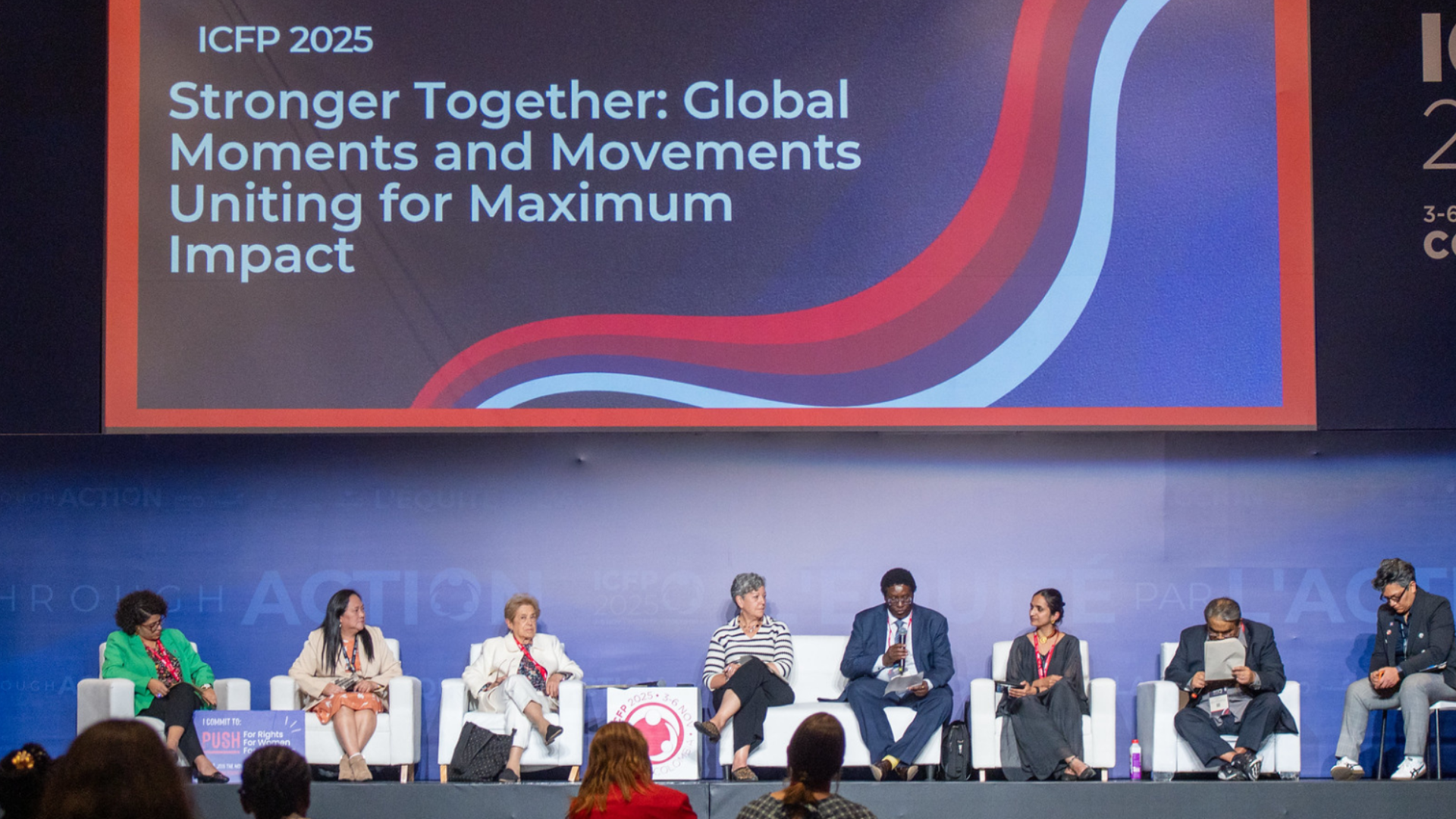
Countering disinformation requires not just better messaging- it requires better storytelling infrastructure. At Women Delivery, the SRHR Media Lab, hosted by the Gates Institute at Johns Hopkins Bloomberg School of Public Health, in partnership with Sex O’Clock News and the Family Planning News Network, activated a pop-up content and training hub that put journalists closer to the people and evidence at the heart of SRHR. First deployed at ICFP 2025, the Lab offered media training, story kits, ethical reporting clinics, and direct access to spokespeople across the sector at Women Deliver 2026. At a moment when funding disruptions have weakened communications infrastructure and demand for accurate SRHR coverage has never been higher, the Media Lab aims to build the narrative power our movement needs. Check out the stories developed by Dina of Sex O’Clock News from the Media Lab here.
We already have what we need- we need to use it together
Kinza Hasan of Women Deliver described how different feminist policy charters and treaties are full of evidence, data, and legal arguements–International human rights treaty language already makes the case that states are obligated to build feminist health systems. What is missing is coordination in deploying them. This is part of where the Coalition comes in.
A call to action that is personal, not just institutional
Dr. Samukeliso Dube of FP2030 closed with a challenge that cut through the institutional framing: real commitment is visceral before it is organizational. She called out the ‘purist mentality’ — the fragmentation that comes from refusing to work with those who do not perfectly align — as one of the forces holding the movement back.
In our diversity there is strength. When you are weaving something together, it is those strands that are different that actually hold even stronger.
Participants left the session with a concrete personal commitment: take one step across a sectoral line. Ask one person to partner with you. Counter one narrative. Tell one story differently.
What’s Next for the Stronger Together Coalition
The anti-rights movement has spent two decades building coordination, funding infrastructure, and narrative power. The SRHR movement has the evidence, the legal frameworks, the frontline credibility, and — in spaces like this one — the collective will. The Stronger Together Coalition exists to help turn that will into action.
Help us map the fight: How is disinformation affecting your work in the SRHR sector? To better understand this, we have launched a survey that invites you to share the most pressing anti-rights activities, myths and misinformation, disinformation, and censorship that you are encountering in your SRHR work. Your responses directly inform the Coalition’s advocacy strategy and help us map the scale and tactics of anti-rights disinformation in real time.