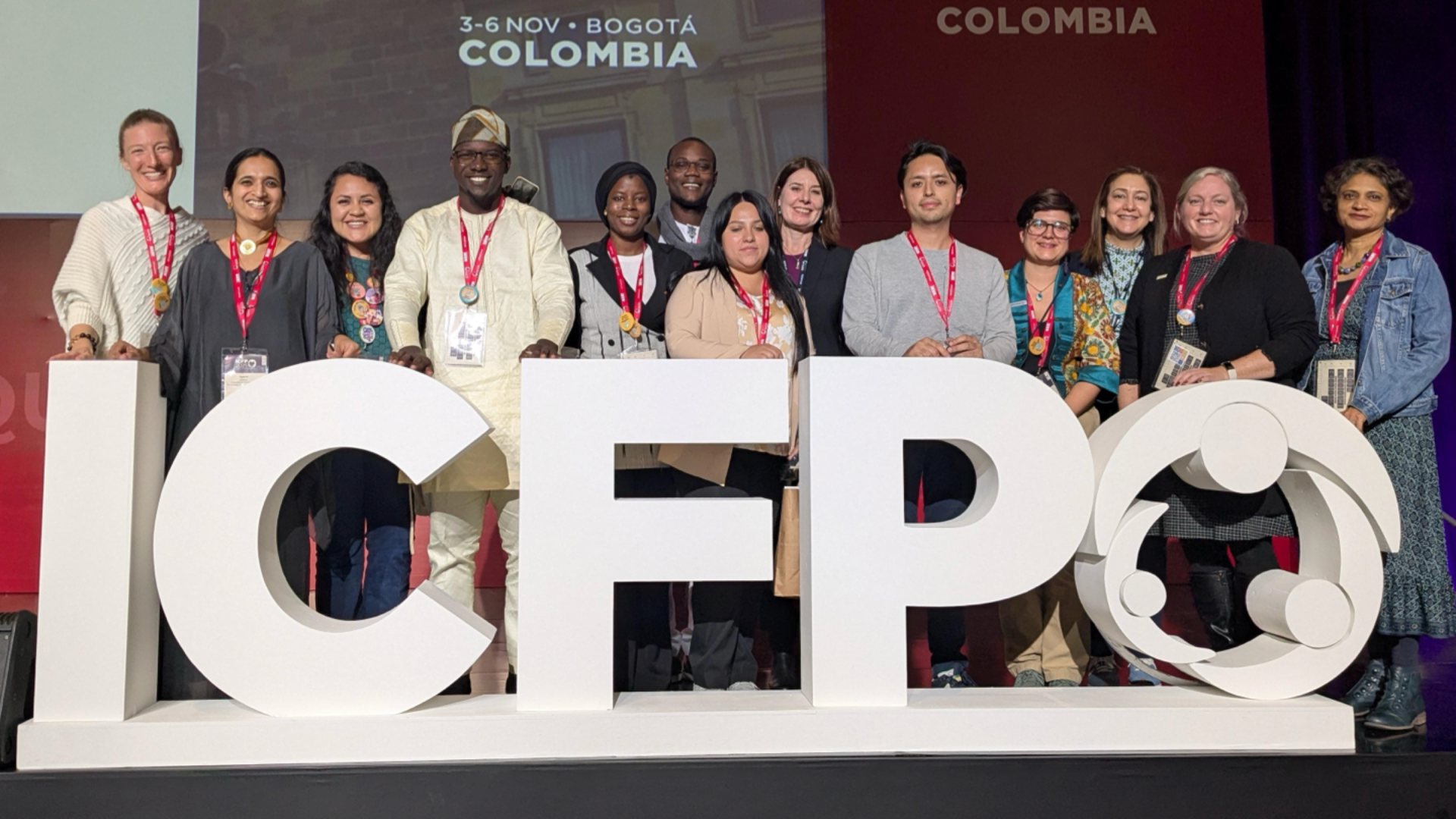
One year ago, in October 2025, I stood in Bogotá, Colombia, during the International Conference on Family Planning (ICFP), receiving the DKT Phil Harvey SRHR Innovation Award for our project, “Dumpsite Dadas: Reclaiming SRHR for Kenya’s Most Forgotten Women.”
It was a proud moment. But it was much more than an award. It was a reminder that our stories matter, our experiences hold knowledge, and our communities deserve investment.
I am not simply an advocate working with the Dumpsite Dadas. I am one of them. I understand what it feels like to have your needs overlooked, your voice ignored, and your circumstances misunderstood by systems that are supposed to serve you.
That is why this recognition meant so much to me. I was not standing on that global stage to speak about women whose lives I could only observe. I was standing there as part of a community whose realities I know firsthand, carrying our collective experiences, hopes, and determination.
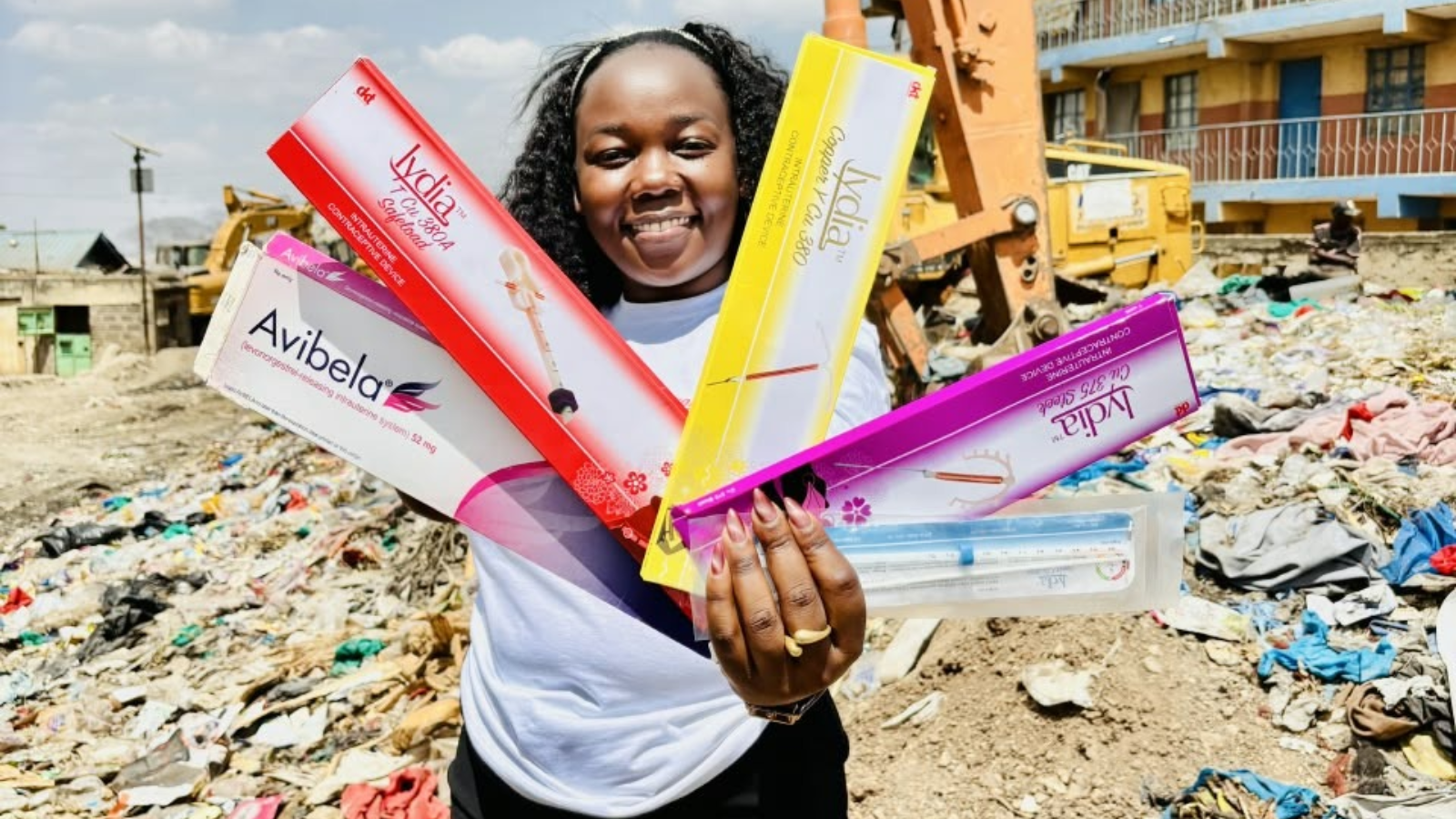
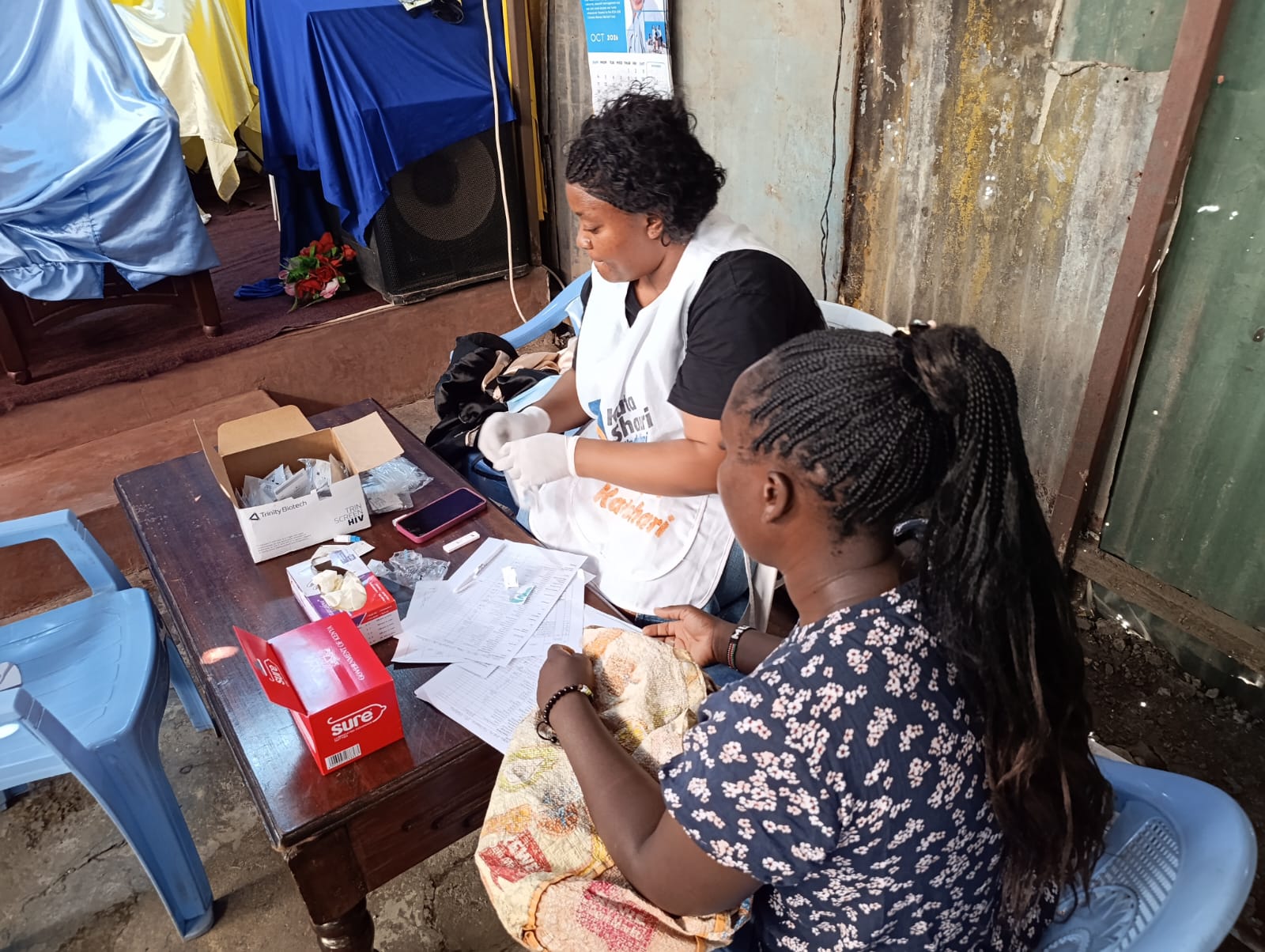
Silvia at the dumpsite with family planning commodities.
Our Story, Our Idea, Our Leadership
The idea behind Dumpsite Dadas grew from the challenges we experience accessing sexual and reproductive health and rights (SRHR) services. Women and girls living and working in and around dumpsites face barriers that cannot be addressed by designing programmes without us in the room. That belief shaped Dumpsite Dadas, and with support of the DKT Phil Harvey Innovation Award, we received US$10,000 and technical support to advance this work.
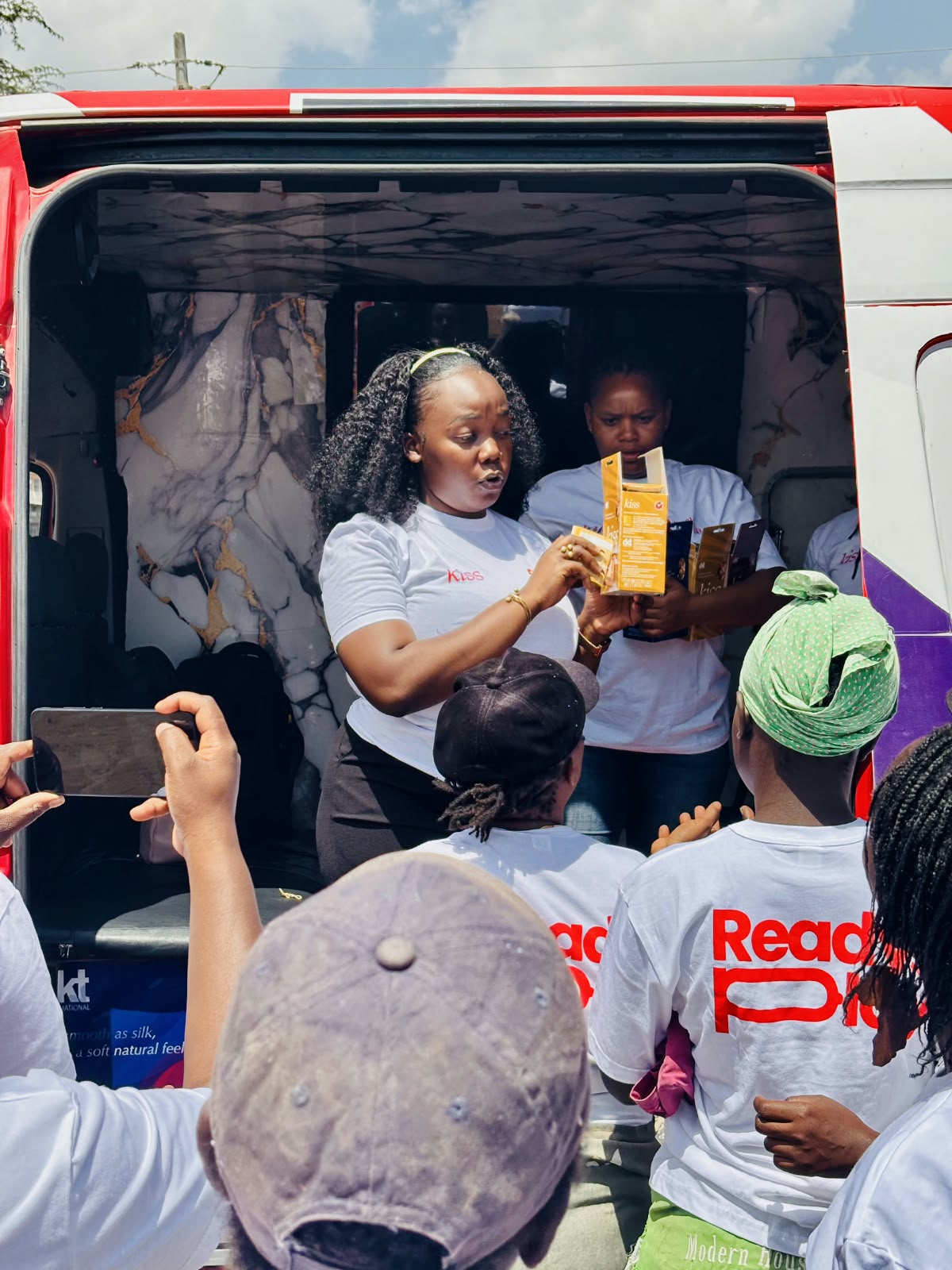
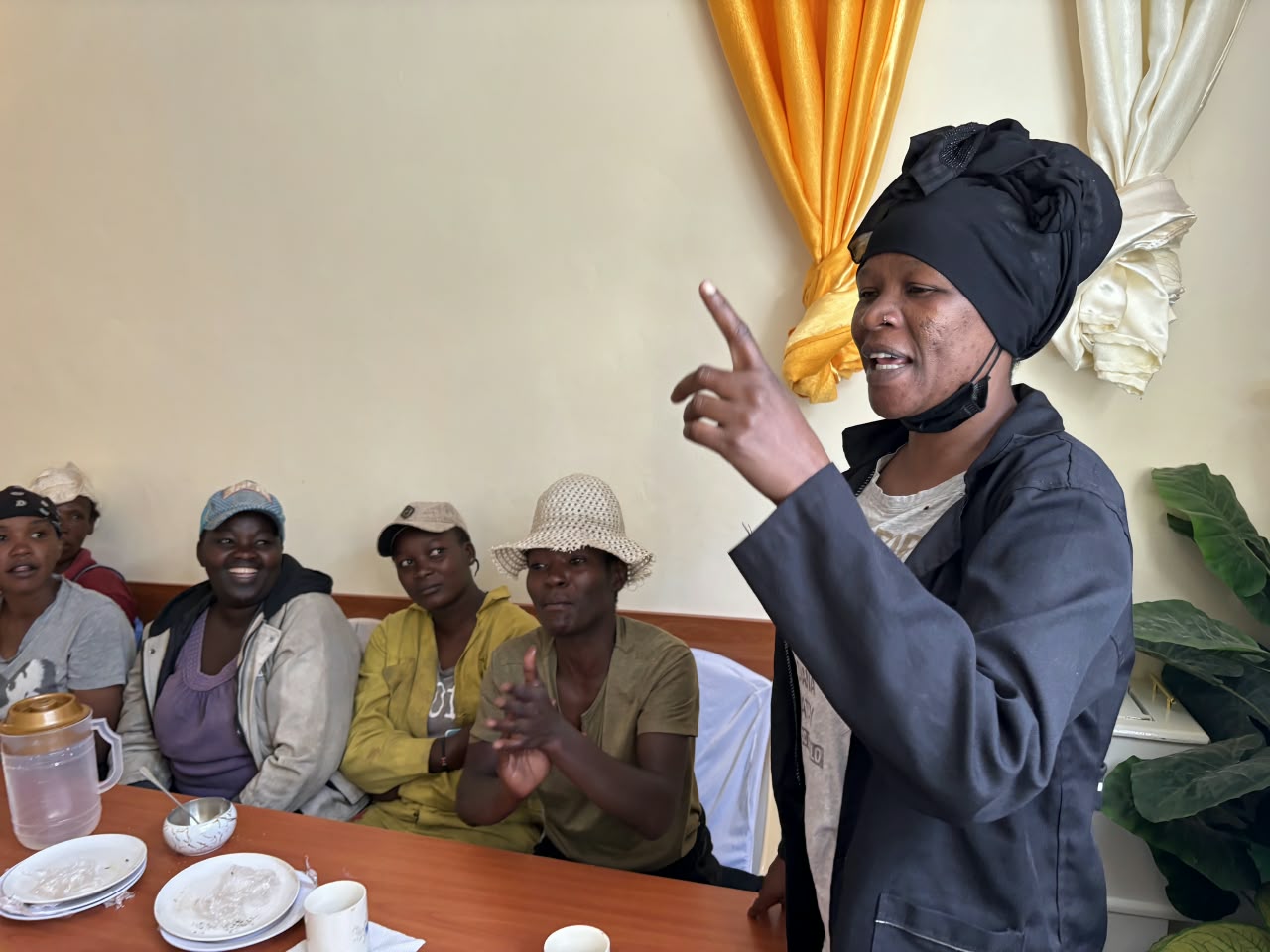
The Dumpsite Dadas work together to champion their health, rights, dignity, and well-being. Through peer-led outreach, health education, referrals, and community advocacy, we provide access to essential SRH services, including HIV prevention and treatment.
One year later: What our collective work is making possible
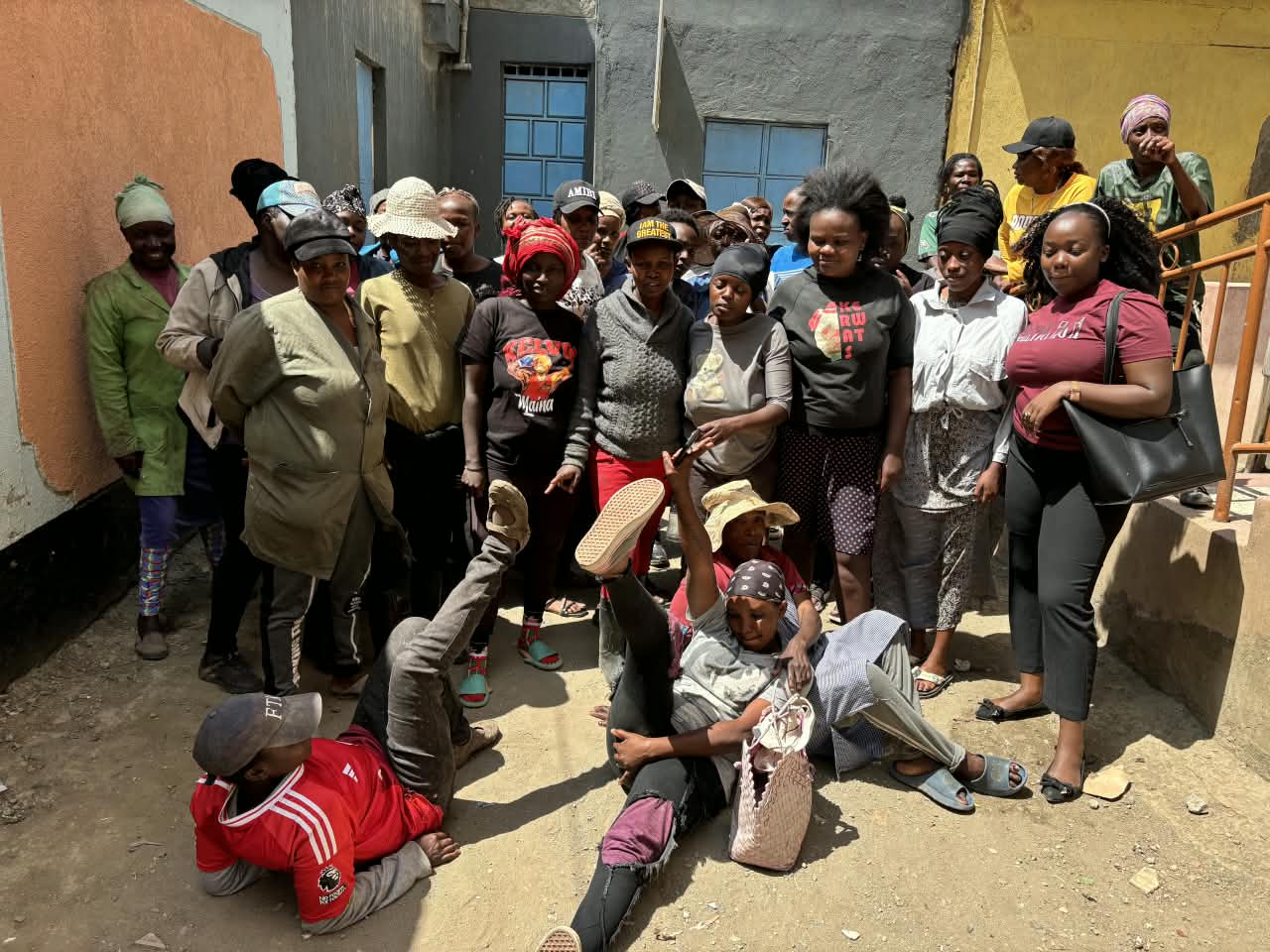
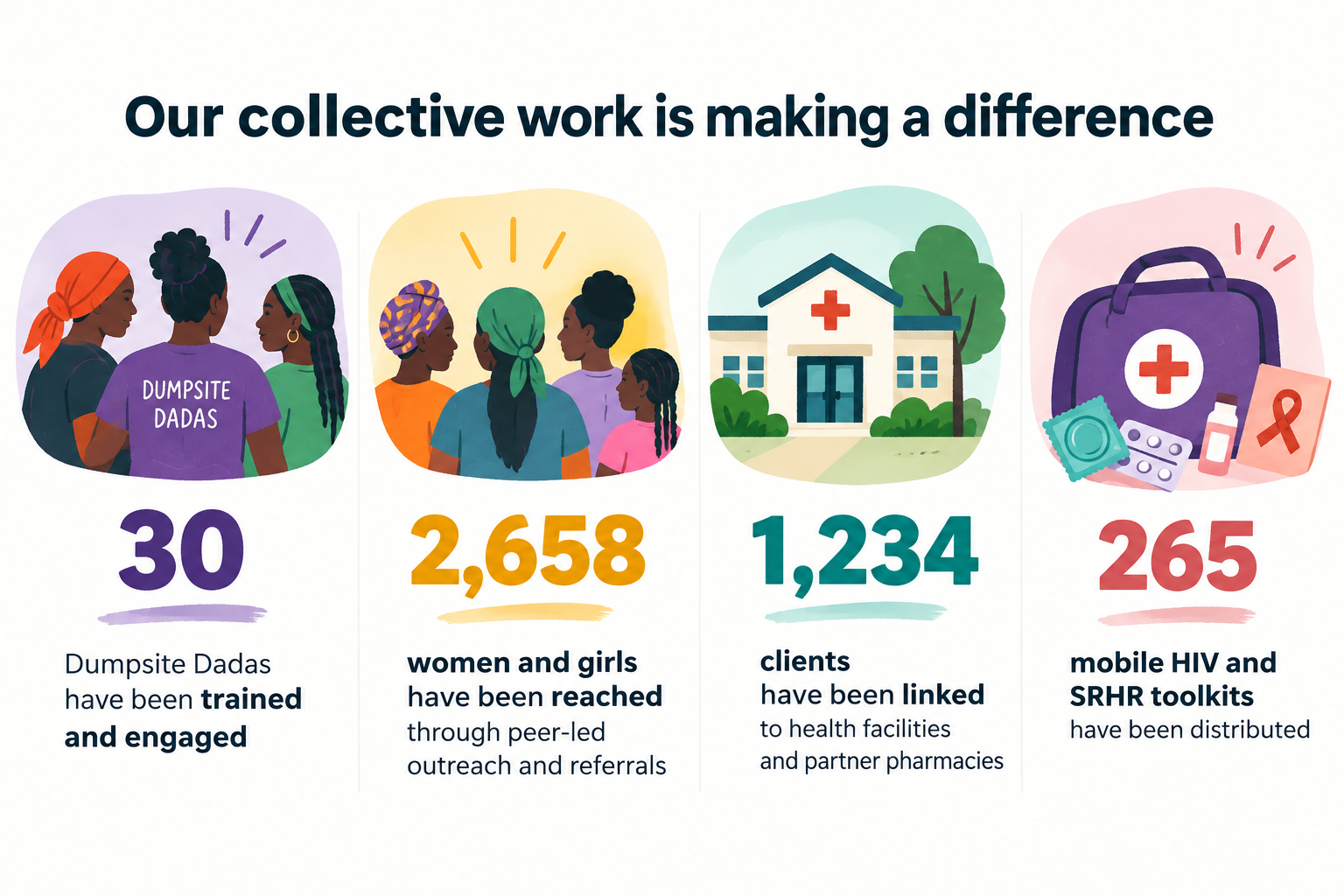
Through our wider community-led SRHR and HIV programming, 30 Dumpsite Dadas have been trained and engaged, and 2,658 women and girls have been reached. The graphic below illustrates our results after one year.
In addition, four Dadas are producing and selling reusable sanitary pads, while five have received entrepreneurship training, mentorship, and US$200 each in start-up support through an entrepreneurship incubation programme.
These achievements reflect our peers reaching out to one another, our community members building skills, and our collective efforts to make health information and services more accessible. They also demonstrate what becomes possible when community-led initiatives receive the visibility and investment they deserve.
Winning the DKT Phil Harvey Innovation Award gave our work a platform beyond our immediate community, amplifying our voices and bringing greater visibility to the realities and aspirations of the girls we work alongside. That visibility helped create new connections, including with other philanthropists who were inspired by our work–creating opportunities for our community that might otherwise have remained out of reach.
Why lived experience must be recognised as expertise
For a long time, people like us have been spoken about, researched, consulted, and included as beneficiaries. Yet we are not always trusted to lead, shape budgets, influence decisions, or determine what success should look like.
I believe this must change.
Lived experience is not simply a personal story to be shared. It is a form of knowledge. It helps us identify barriers that may not be visible in reports, understand why services are not working, and develop responses grounded in the realities of everyday life.
When one opportunity opens the door to another
Winning the DKT Phil Harvey Innovation Award also opened doors that I could not have anticipated.
In 2026, I received a Bayer Scholar Award from the Johns Hopkins Bloomberg School of Public Health to participate in the Data to Policy in Population, Family, and Reproductive Health Summer Institute. I completed courses that strengthened my learning at the intersection of data, policy, population, and reproductive health.
The DKT recognition also helped create a pathway to the International AIDS Society (IAS) Young Leaders Seed Grant, supporting a six-month period of acceleration and sustainability for our work.
This opportunity is particularly meaningful because HIV-focused spaces do not always give sexual and reproductive health the attention and investment it deserves. Our realities do not fit neatly into separate programme categories. HIV, sexual and reproductive health, economic security, dignity, and access to services are connected in our lives.
Seeing an SRHR-inclusive intervention receive support through an HIV-focused initiative is an encouraging step towards more integrated approaches.
When we invest in one young person's idea, we may be opening doors for an entire community.
Why we must invest beyond the moment of recognition
Awards can shine a light on an idea, but recognition alone cannot sustain a movement or guarantee lasting change.
Our communities need more than short-term projects. We need sustained investment in community leadership, peer-led services, organisational capacity, economic resilience, partnerships, and the systems that enable our work to continue.
We also need funders to understand that meaningful change takes time. Building trust, strengthening referral pathways, supporting community-led initiatives, and creating sustainable livelihoods cannot always be achieved within a short grant period.
This is especially important for young people whose experiences are often treated as evidence of vulnerability but not as evidence of capability.
Our stories may explain why the work matters, but our leadership, ideas, and results demonstrate why we deserve to be trusted with the resources to do it.
From our community to the global stage
Looking back one year later, I am reminded that the most meaningful part of this journey is not simply that I received an award. It is that our work, our experiences, and our vision were recognised beyond the community in which they began.
I carry that recognition with gratitude, but also with responsibility. I want more young people who share our realities to see that their experiences do not disqualify them from leadership. They can be the foundation from which new ideas, stronger movements, and better solutions emerge.
I also hope that my journey challenges how institutions and funders think about funding young people. We should not have to prove that we have escaped our circumstances before we are considered capable of leading change. We can lead from where we are, with the knowledge we have gained through living those realities.
To funders, policymakers, institutions, and partners, my message is simple: Believe in us. Invest in us. Work with us—not just for us. Do not wait until an idea has become a fully established programme before you are willing to support it. Do not invite us into conversations only after the priorities, budgets, and decisions have already been made. Create opportunities for us to lead from the beginning, and provide the resources and trust needed to turn our ideas into lasting change.
One year after Bogotá, I remain convinced of one thing: when funders invest in young people who have lived the realities they are working to change, they are not just investing in an intervention. They are investing in leaders, communities, and solutions that are built for lasting impact.
And that is an investment worth making.