If there’s one group the Power Shifting in SRHR webinar series kept circling back to, it’s young people, not as beneficiaries of programs designed for them, but as the people best placed to lead them. Madalitso Juwayeyi has built her career around exactly that shift. A health and gender equity advocate with over seven years of experience advancing sexual and reproductive health and rights, she is the Co-Founder and Executive Director of the Forum for AIDS Counseling and Training (FACT-Malawi), a youth-led SRHR organization working to empower adolescents and young people, particularly Adolescent Girls and Young Women, through community-driven, youth-centered approaches.
Youth-led SRHR: building spaces led by the people they serve
Madalitso’s work covers a wide reach: increasing access to youth-friendly SRHR information and services, preventing teen pregnancies and child marriages, promoting girls’ education, addressing sexual and gender-based violence, advancing HIV prevention, and strengthening meaningful youth engagement in decision-making spaces. What connects all of it is a peer-to-peer, grassroots approach that positions young people and their communities as the ones shaping solutions, rather than receiving them secondhand.
One of her proudest achievements reflects that philosophy directly: helping establish youth-friendly safe spaces across Malawi that combine SRHR information and services with mentorship, psychosocial support, digital access, and leadership opportunities for young people. These spaces exist on a simple but firm belief, that sustainable change happens when communities, and especially young women and girls, are trusted as experts of their own realities and given the power to lead, not just consulted about decisions made elsewhere.
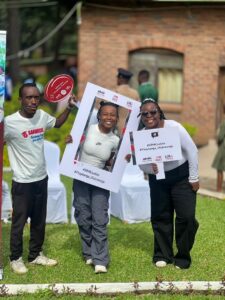
Her standing in the field reflects that same commitment. She is a WomenLift Health Global Fellow, an Atlantic Fellow for Health Equity, a UNESCO-GRO Gender Equality Studies and Training Fellow, and a Mandela Washington Fellow, and she has carried youth-led perspectives onto international platforms including the Fast Track Cities Conference and other global SRHR advocacy spaces.
What power shifting actually requires
Madalitso is direct about what meaningful power shifting demands. Young people, she argues, should be partners, not participants. That means moving past symbolic youth inclusion toward young people genuinely influencing priorities, program design, and the decisions that shape their own lives, not simply being invited into rooms where those decisions have already been made.
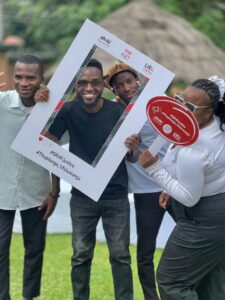
She’s equally clear that grassroots communities already hold the knowledge, solutions, and leadership capacity needed to drive their own responses. For her, sustainable SRHR programming works better when that expertise is trusted and supported rather than overridden by external design. But she’s also candid about the structural gap that makes this hard in practice, that the grassroots and youth-led organizations closest to these issues often have the least access to resources. Real power shifting, in her view, requires partnerships that are flexible and equitable, built on trust rather than control, because without that shift in how funding and decision-making actually work, calls for youth leadership risk staying symbolic.
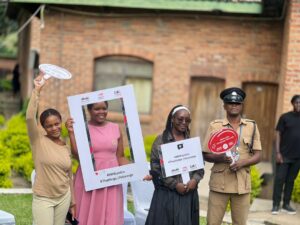
It’s a perspective that lands squarely on the question this webinar series kept returning to: not whether communities should have power, but whether the organizations and funders around them are willing to actually share it.
Organization: Forum for AIDS Counseling and Training (FACT-Malawi), a youth-led organization advancing Youth-Friendly Sexual and Reproductive Health and Rights (YFSRHR), HIV prevention, gender equality, and girls’ empowerment
Contact: Madalitso Juwayeyi, Co-Founder and Executive Director
—————————————————————————————————————————————————————————-
This is part of an ongoing series of member spotlights from the Power Shifting Subcommittee, drawing on the themes raised throughout the 2026 Power Shifting in SRHR webinar series.