
Cali,
Colombia
In Cali, Cultural Knowledge and Community Partnerships Drive Health Equity
An ICFP 2025 Blog From the FPNN Reporting Trip Across Colombia

Bogotá
“Bogotá Is Ready to Welcome the Global SRHR Community for ICFP 2025”

Cali
“In Cali, Cultural Knowledge and Community Partnerships Drive Health Equity”

Guapi
“Guapi: Where Rivers, Rhythm, and Resilience Shape Sexual and Reproductive Health”

Aracataca
“In Aracataca, Local Educators, Young People, and Families Lead SRHR Transformation”

Riohacha
“From Bicycles to Birthing Practices: How Riohacha Boldly Upholds Reproductive Health and Rights”
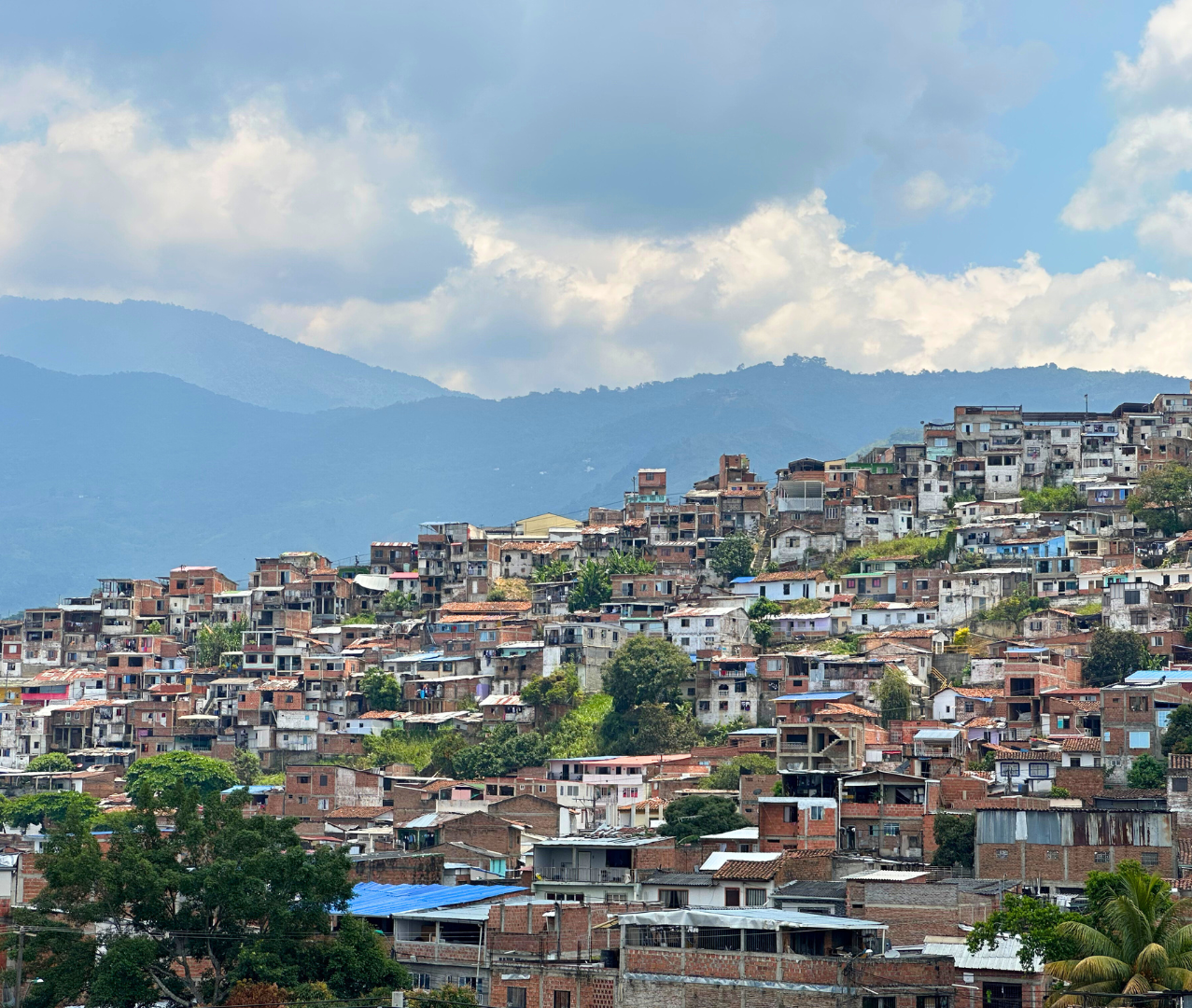
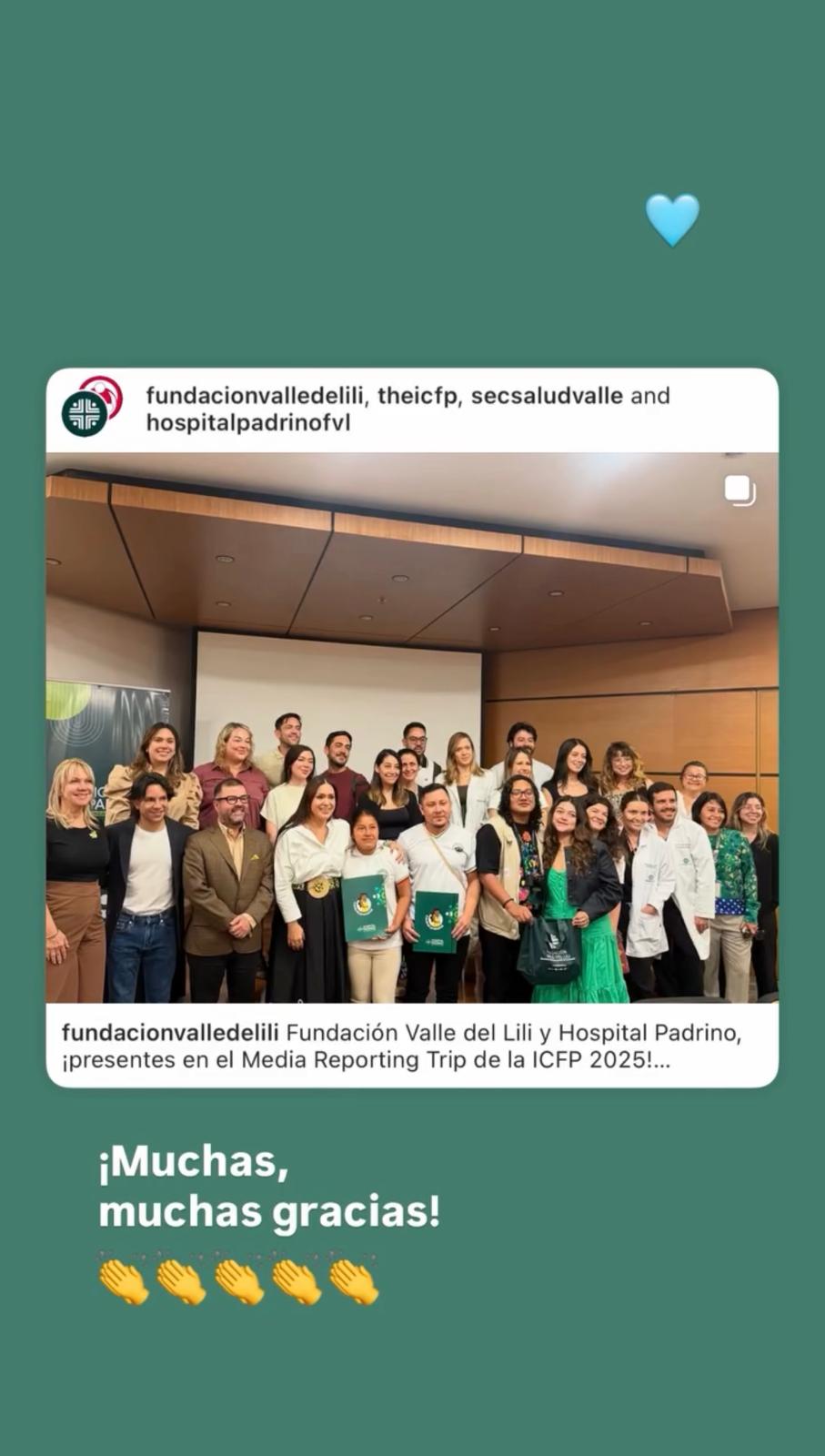
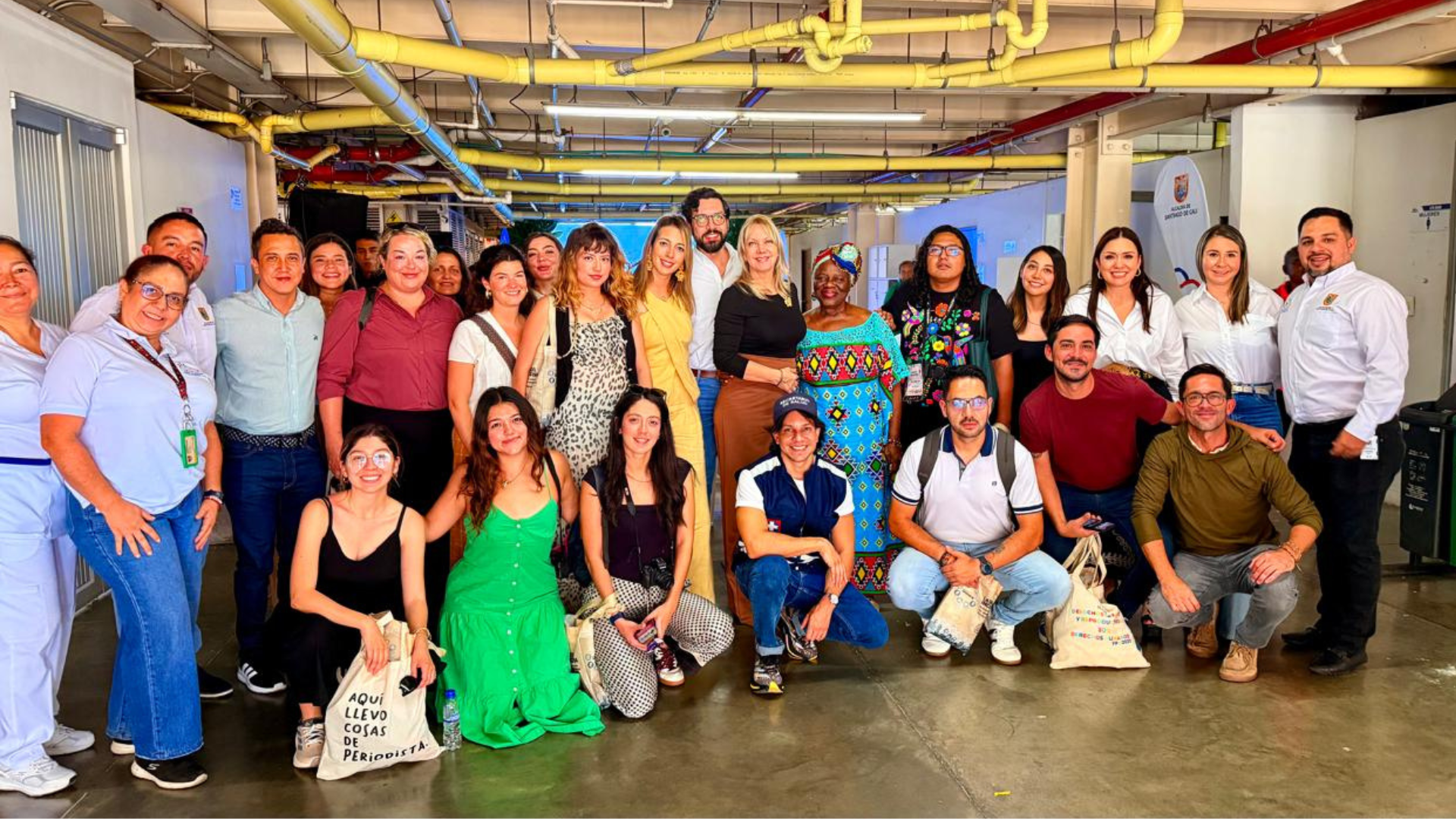
Cali, Colombia — As part of the Family Planning News Network (FPNN) reporting trip across Colombia, ICFP 2025 co-host Fundación Valle del Lili welcomed our team of FPNN journalists from across Latin America & the Caribbean (LAC) to Cali—the country’s third-largest city by population, home to roughly 2.3 million people and widely known as the salsa music capital of the world.
A private, non-profit institution, Fundación Valle del Lili is known for its high-quality medical services, research, and education. Over the years, it has become a benchmark for combining clinical excellence with community-focused initiatives, including sexual and reproductive health and rights (SRHR) programs.
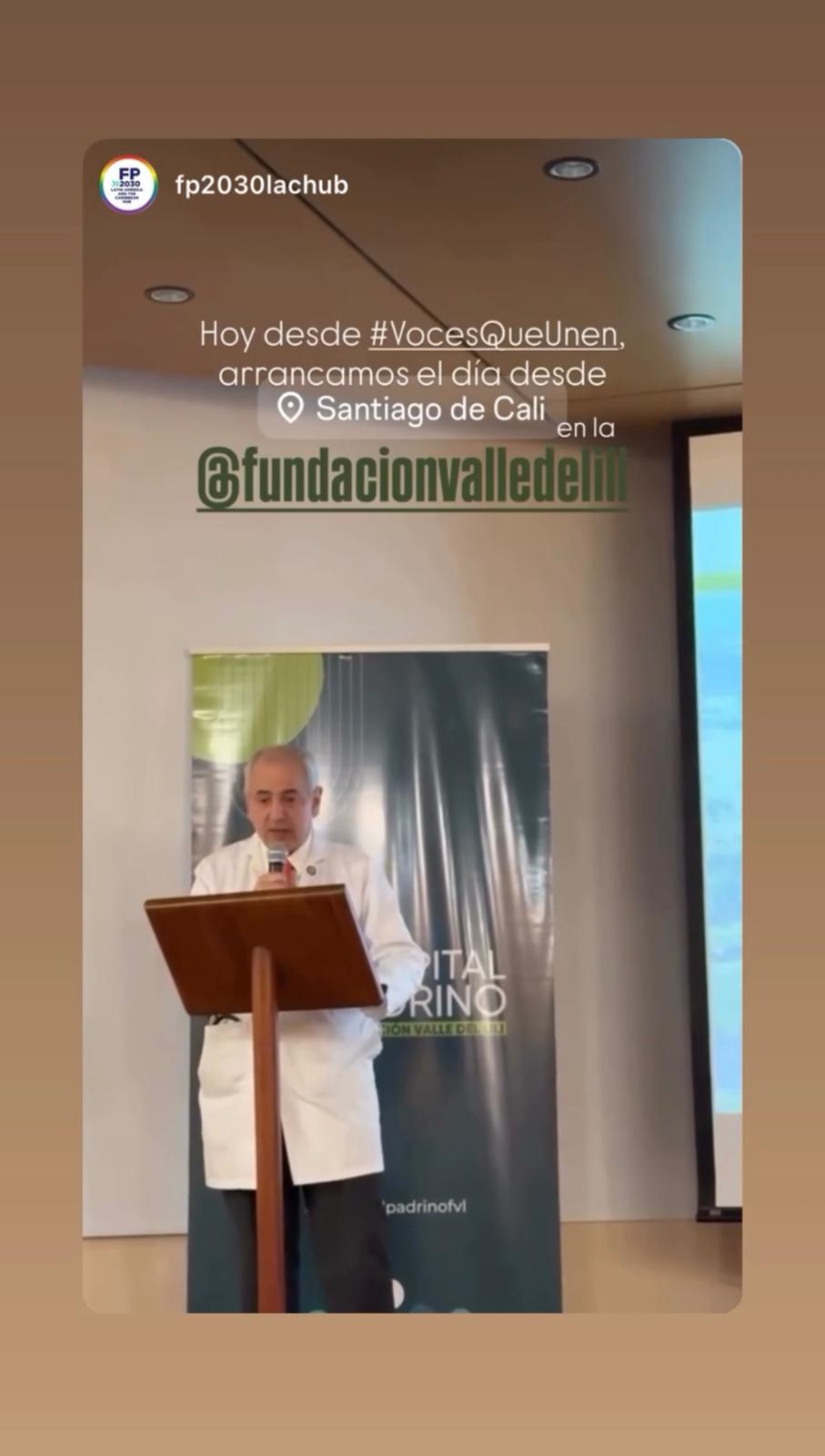
The visit began with an introduction to Hospital Padrino, Fundación Valle del Lili's pioneering model launched in 2018 in partnership with the Secretary of Health of Valle del Cauca. Hospital Padrino is a collaborative “godparent-godchild” strategy where larger accredited hospitals (the “godparent”) provide technical guidance and support to primary-level health centers (the “godchild”), ensuring timely access to quality services. The overall goal of this initiative is to reduce preventable deaths and expand life-saving opportunities to everyone in the region.
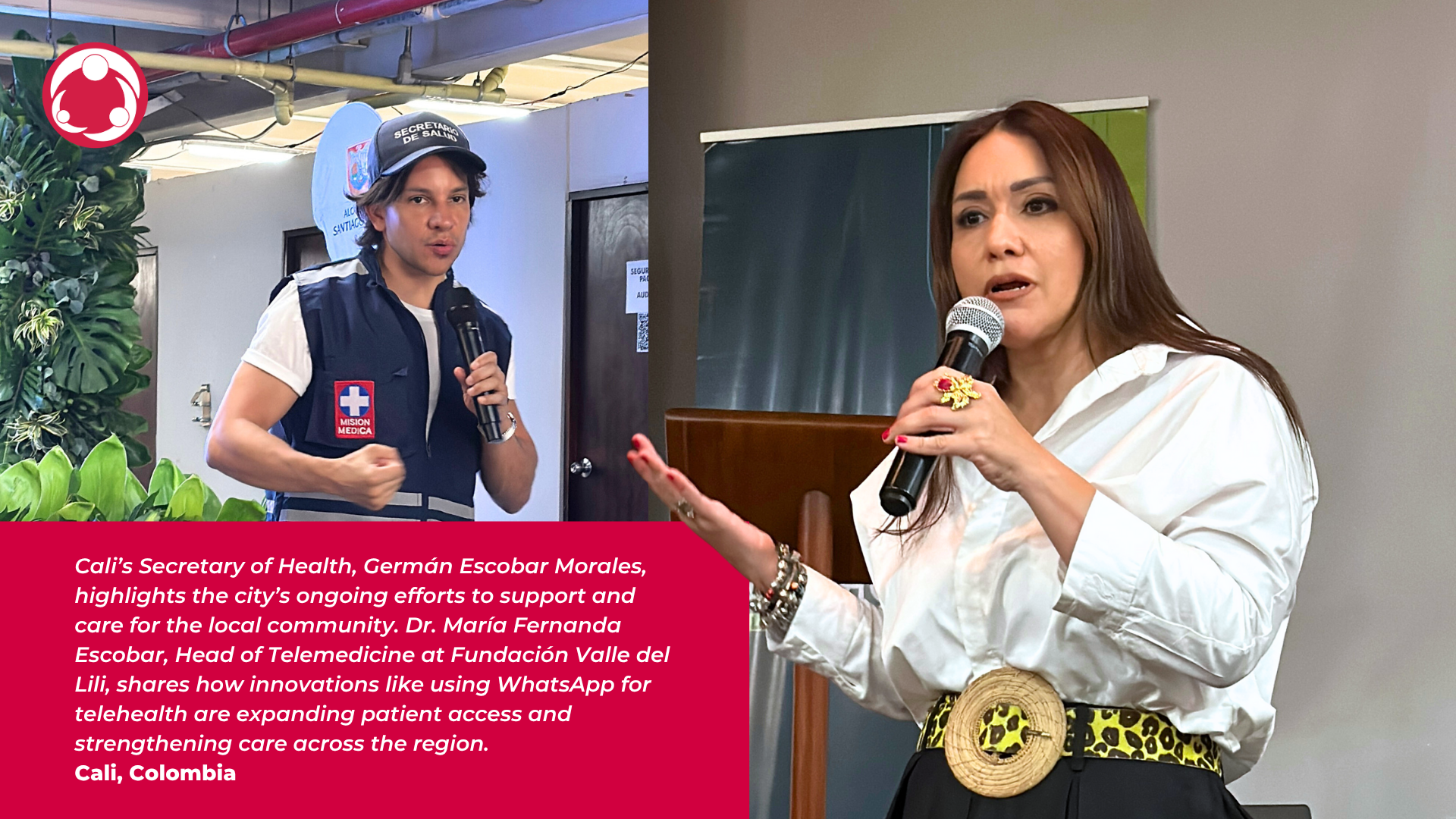
To achieve this, Hospital Padrino uses telemedicine—including the innovative use of WhatsApp—alongside on-site education for healthcare teams and students.
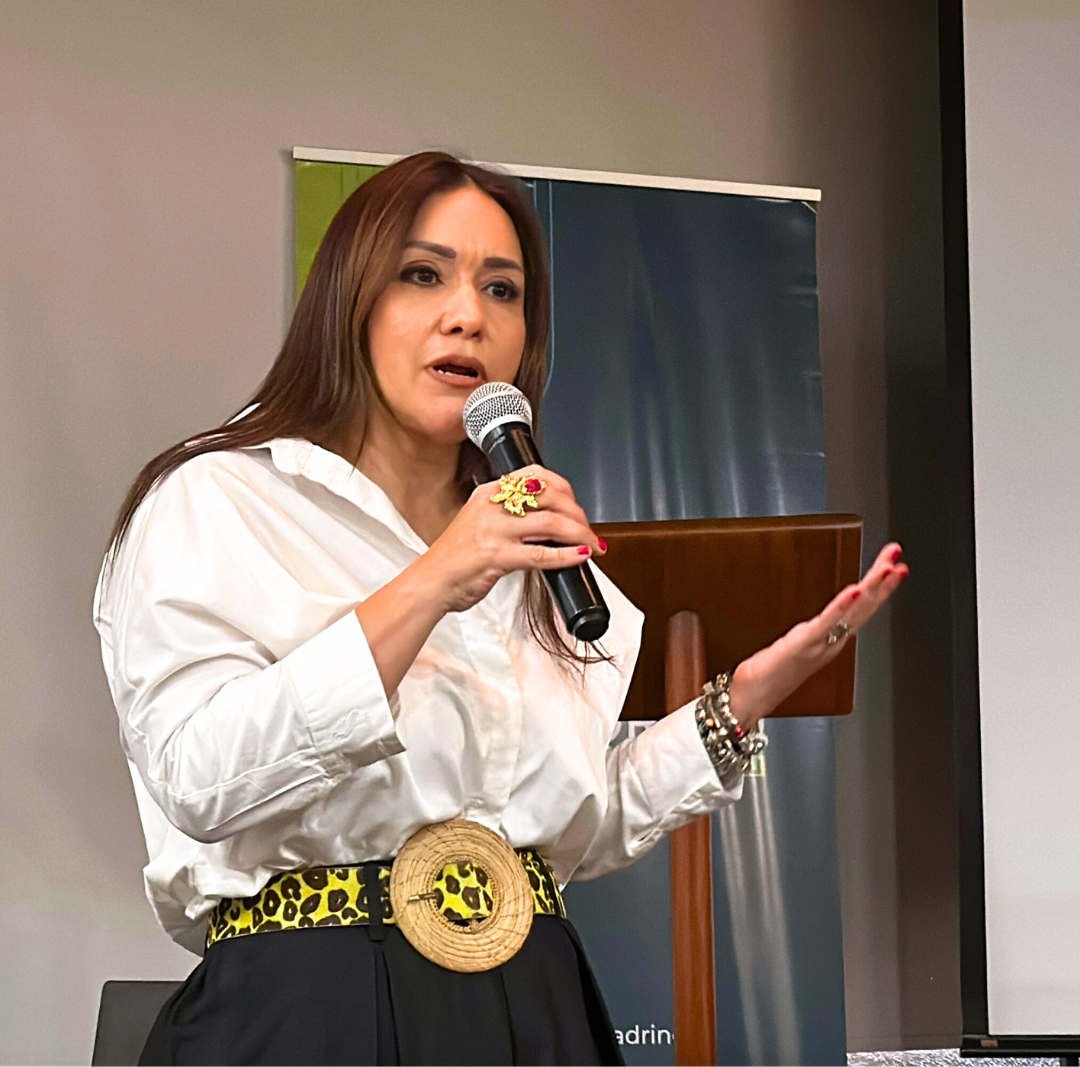
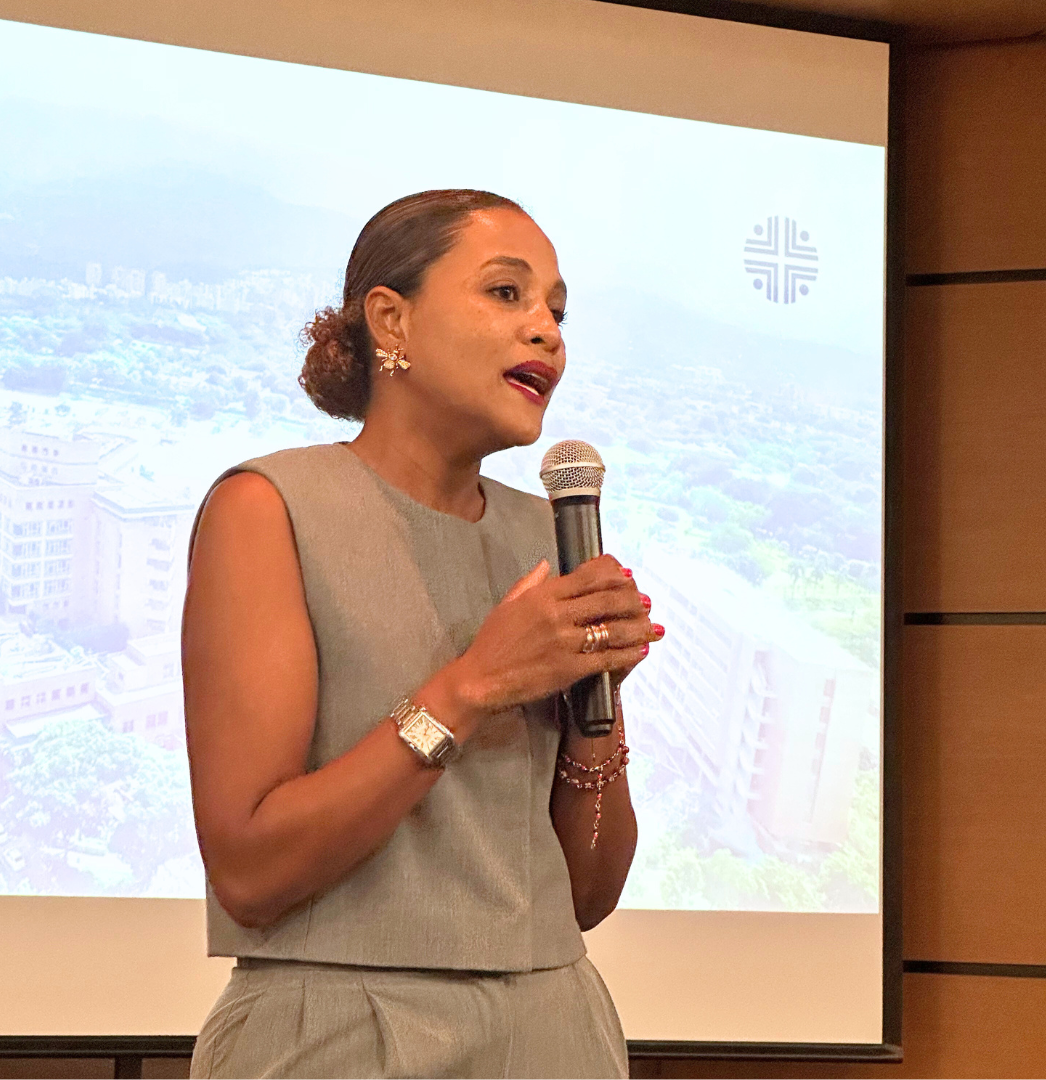
“With Hospital Padrino, we seek equity in healthcare,” says OB/GYN and Lead of the Hospital Padrino Strategy, Dr. María Fernanda Escobar.
Key results as of June 2025 include 366 “godchild” hospitals nationwide, over 19,300 trained healthcare professionals, more than 21,200 patients served through telehealth, and measurable reductions in maternal and perinatal mortality.
From obstetrics and neonatal care to pediatrics, mental health, and SRHR, the initiative has shown a steadfast commitment to strengthening the healthcare workforce and improving service delivery.
Our time in Cali made clear the difference that close collaboration between local communities, public institutions, and partners like Fundación Valle del Lili can make. We saw firsthand how equity-centered strategies are transforming care and setting the stage for conversations at ICFP 2025 this 1–6 November.
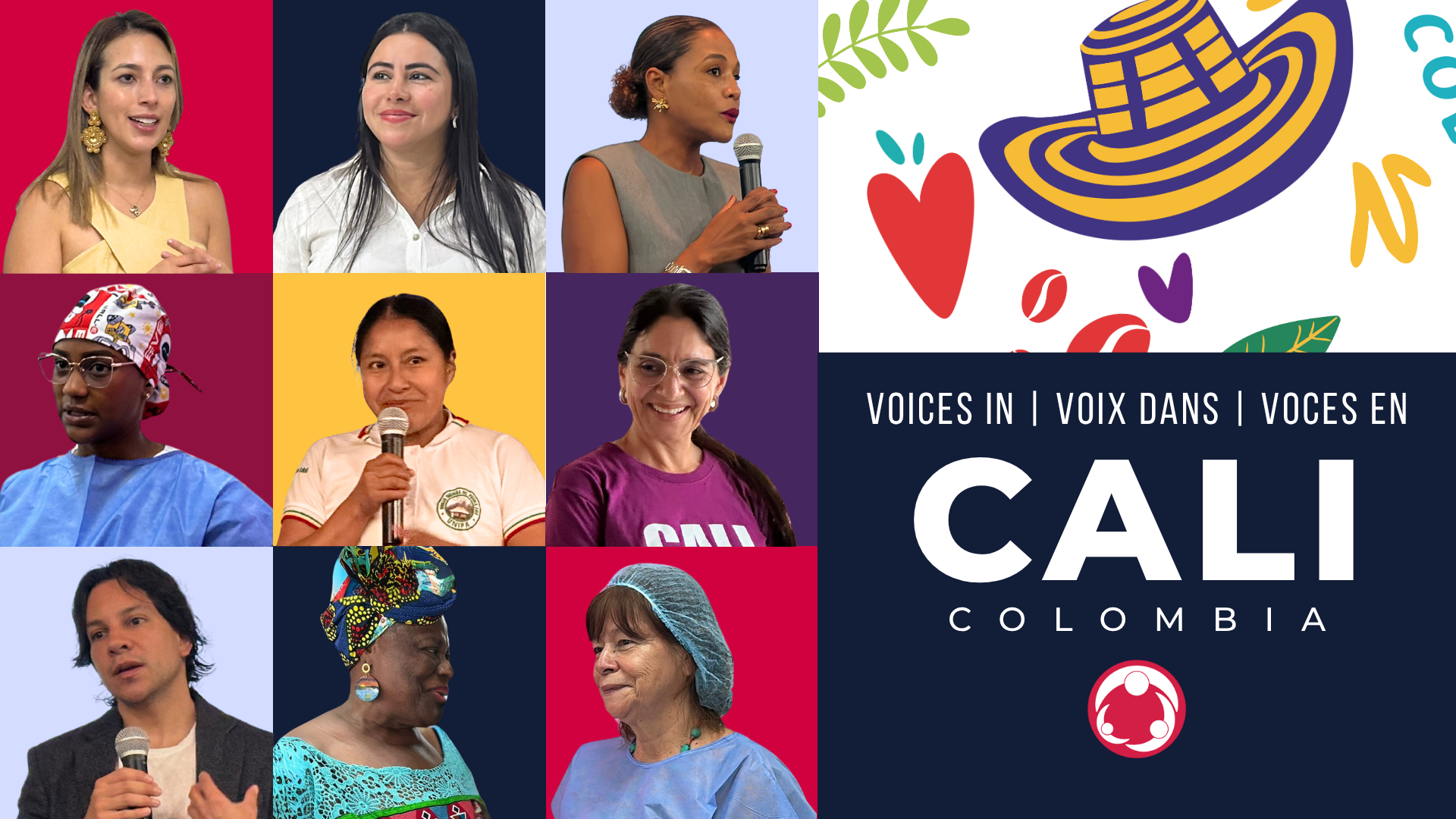
Explore stories from Cali below! ⬇⬇⬇

Honoring Ancestral Wisdom: How the Awá People Approach Pregnancy, Birth, and Newborn Care
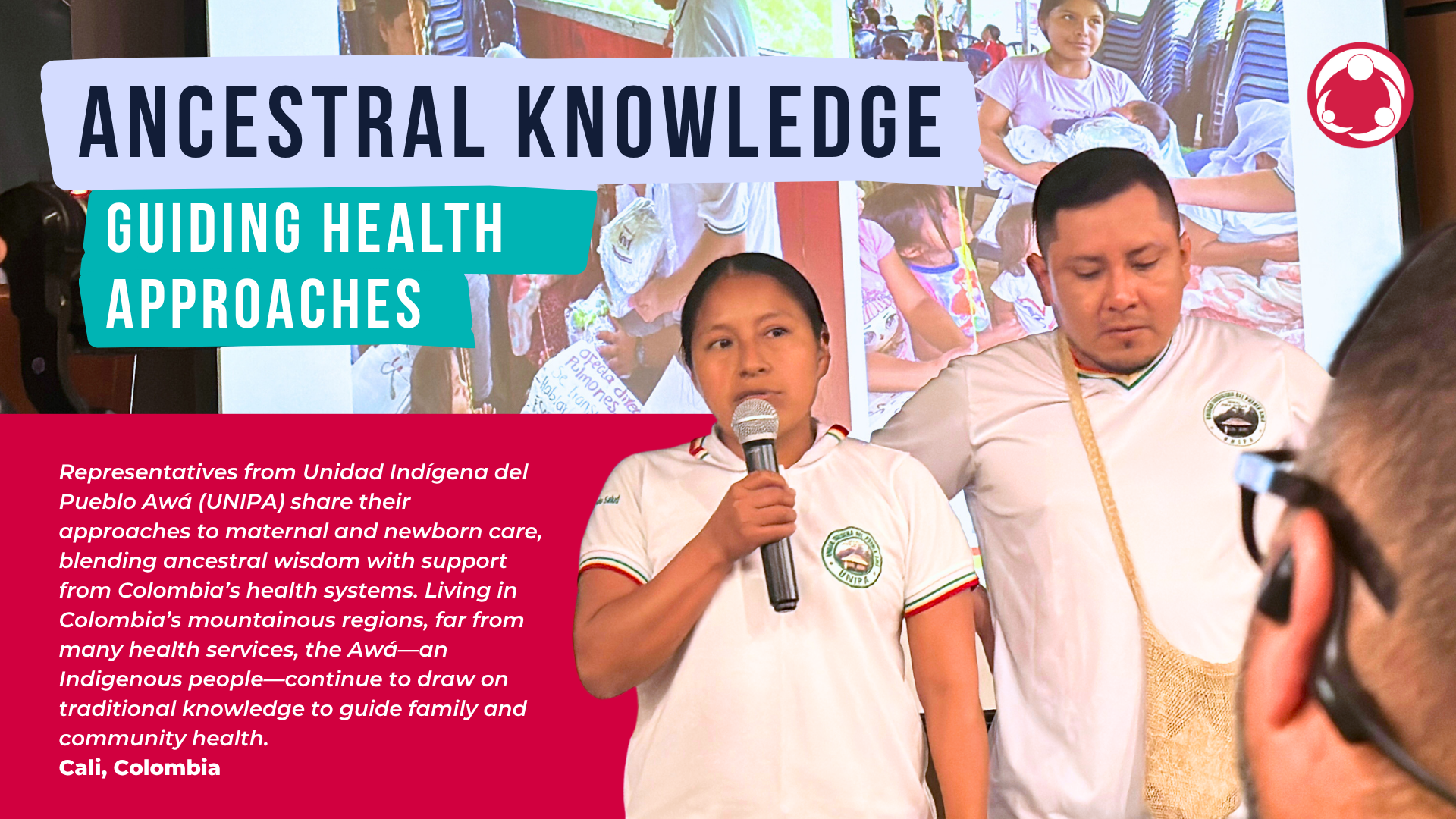
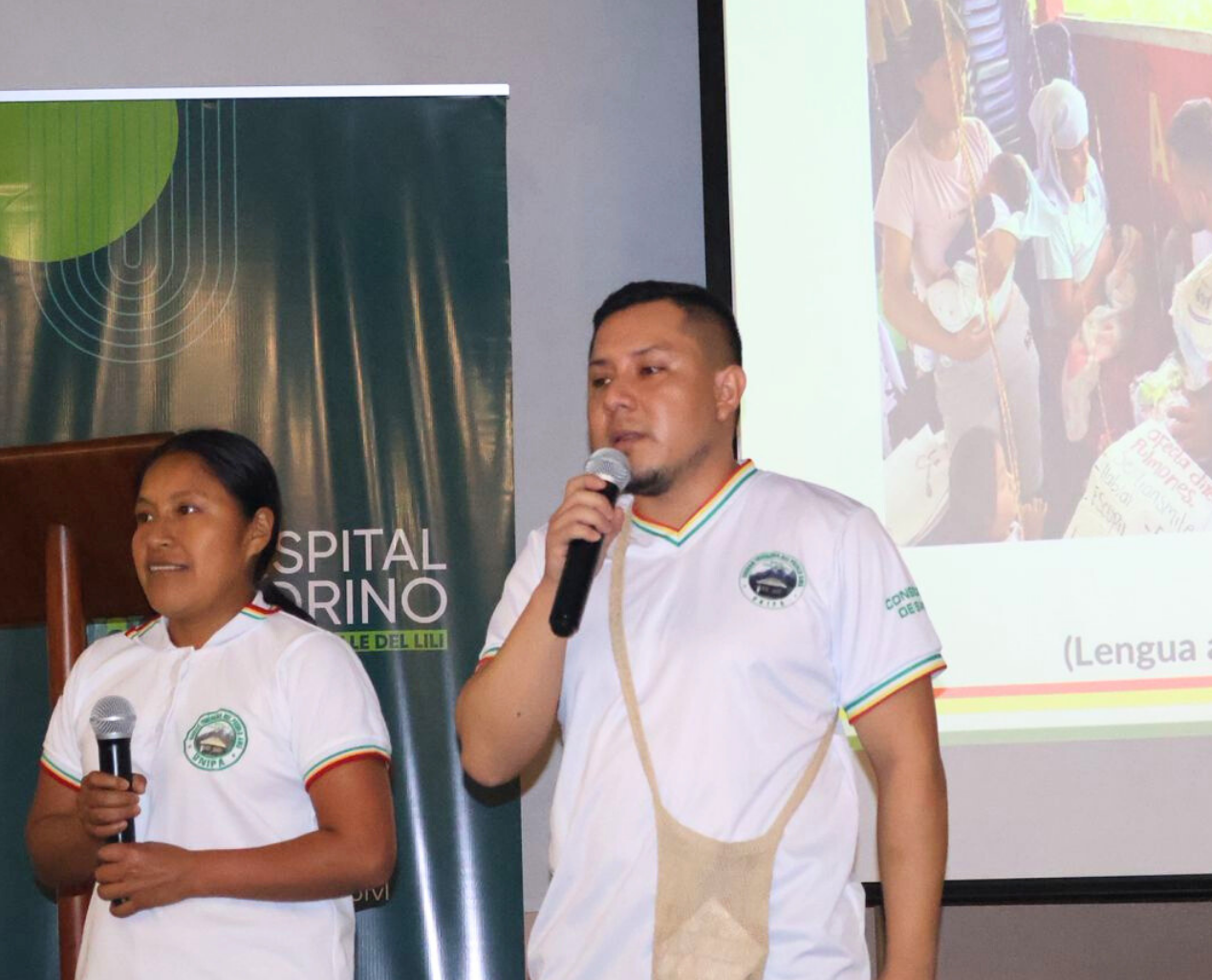
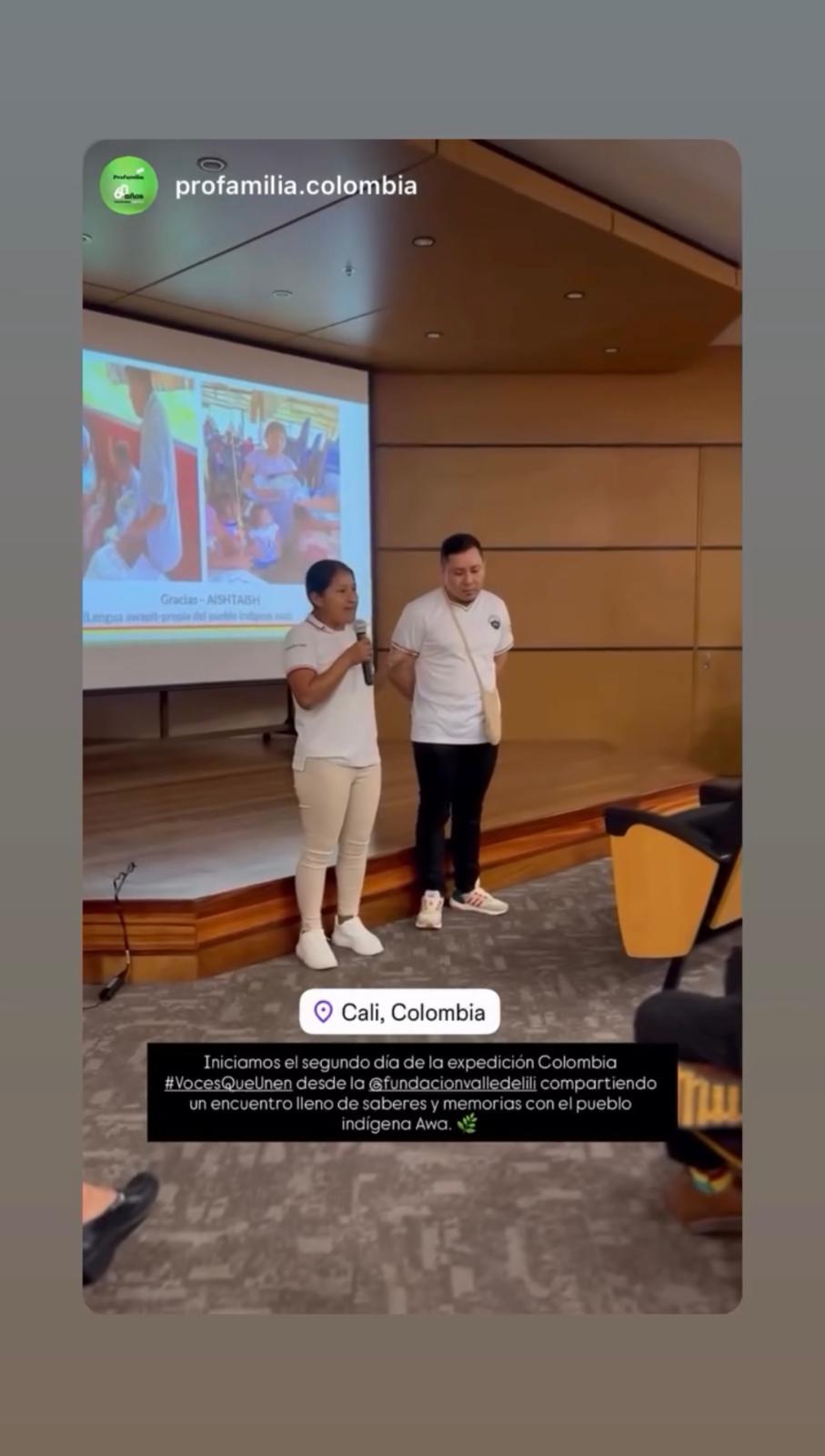
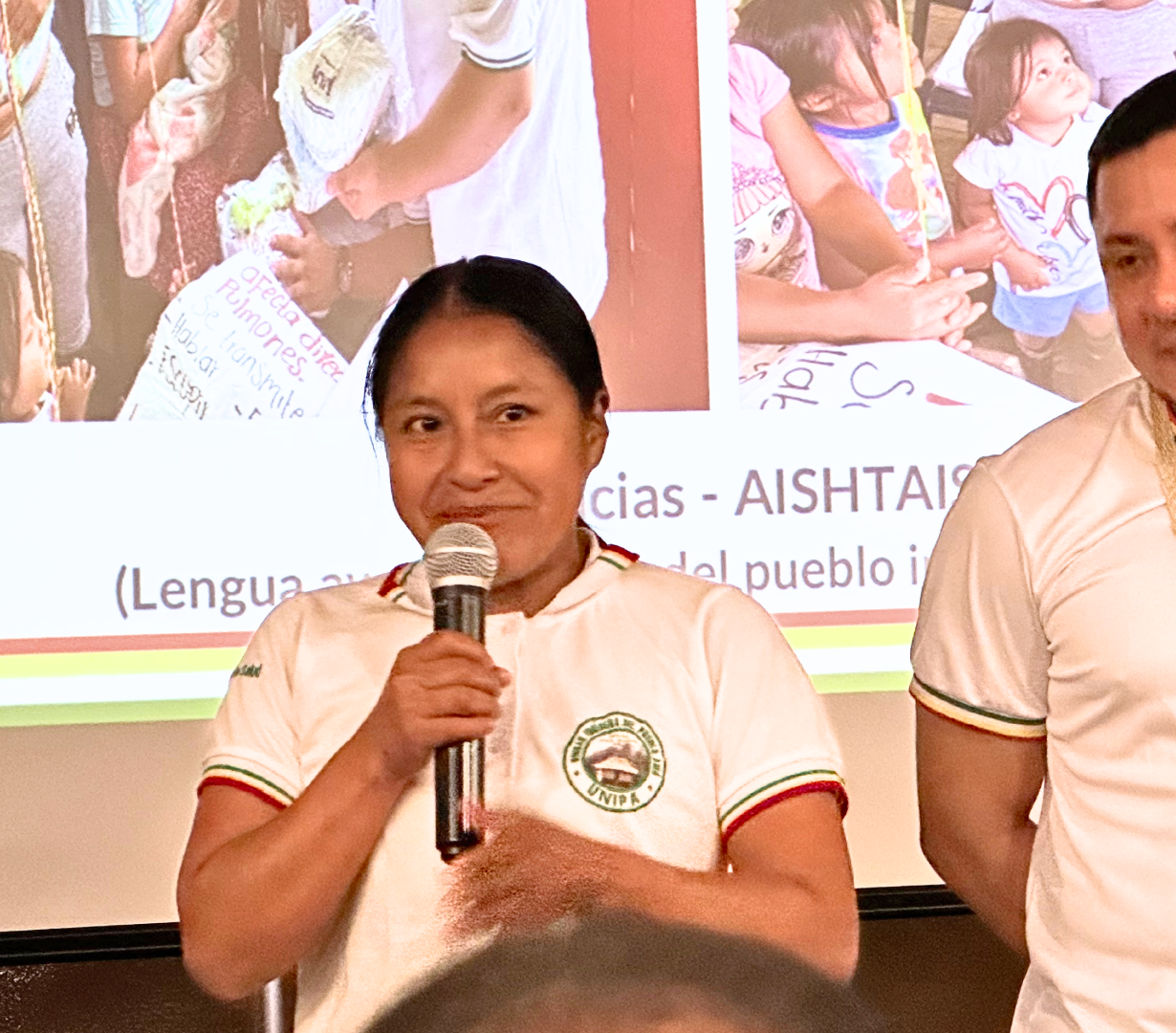
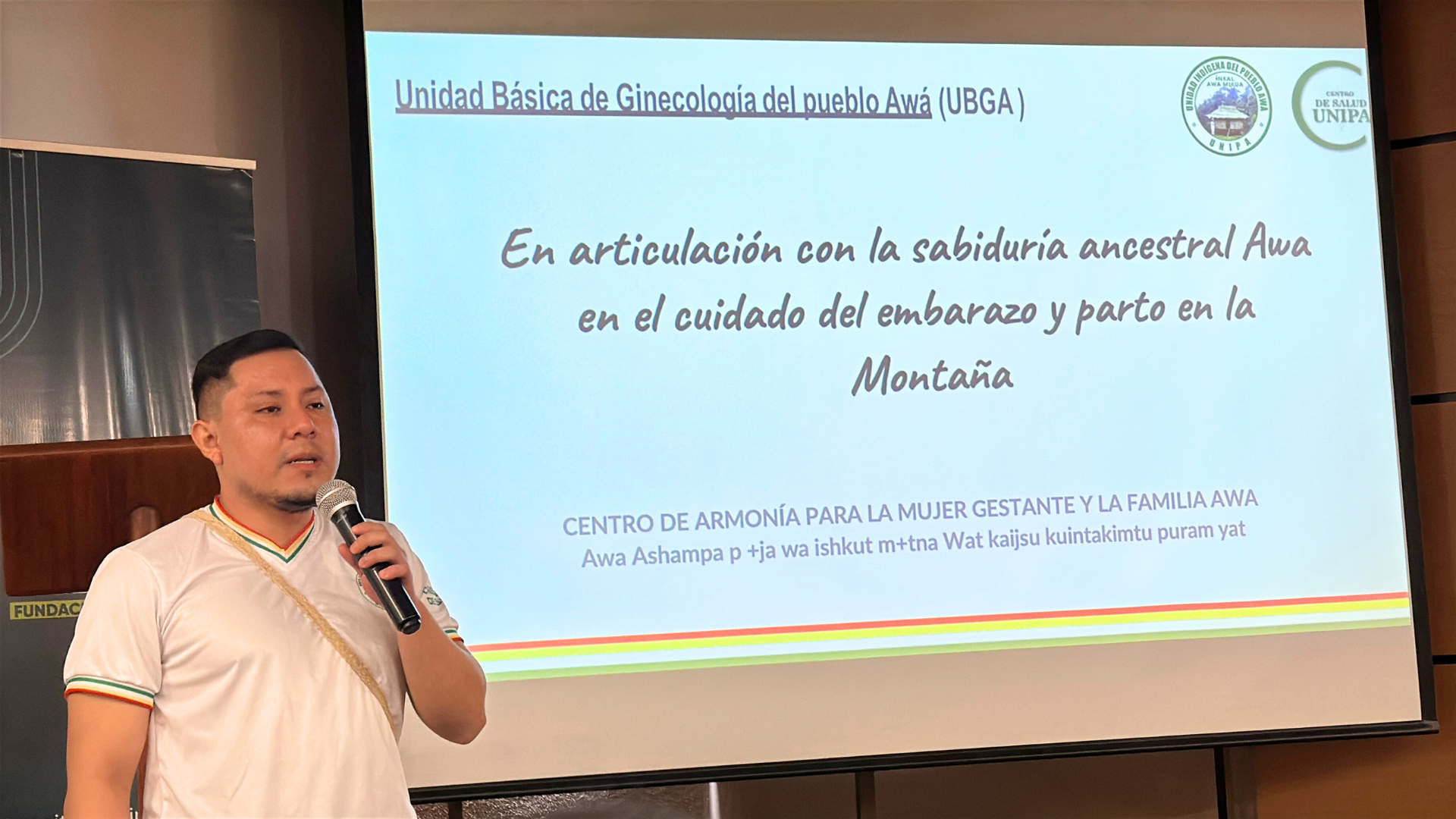
Representatives from the Basic Gynecology Unit of Unidad Indígena del Pueblo Awá (UNIPA), part of the Awá Indigenous community of around 26,000 living in the remote jungle regions of Nariño and Putumayo, traveled to Fundación Valle del Lili to share the Awá’s distinctive approach to maternal and newborn care. They described how the Awá people combine ancestral knowledge with culturally adapted healthcare, emphasizing that pregnancy and childbirth are deeply cultural and spiritual processes guided by respect for individual decisions and tradition.
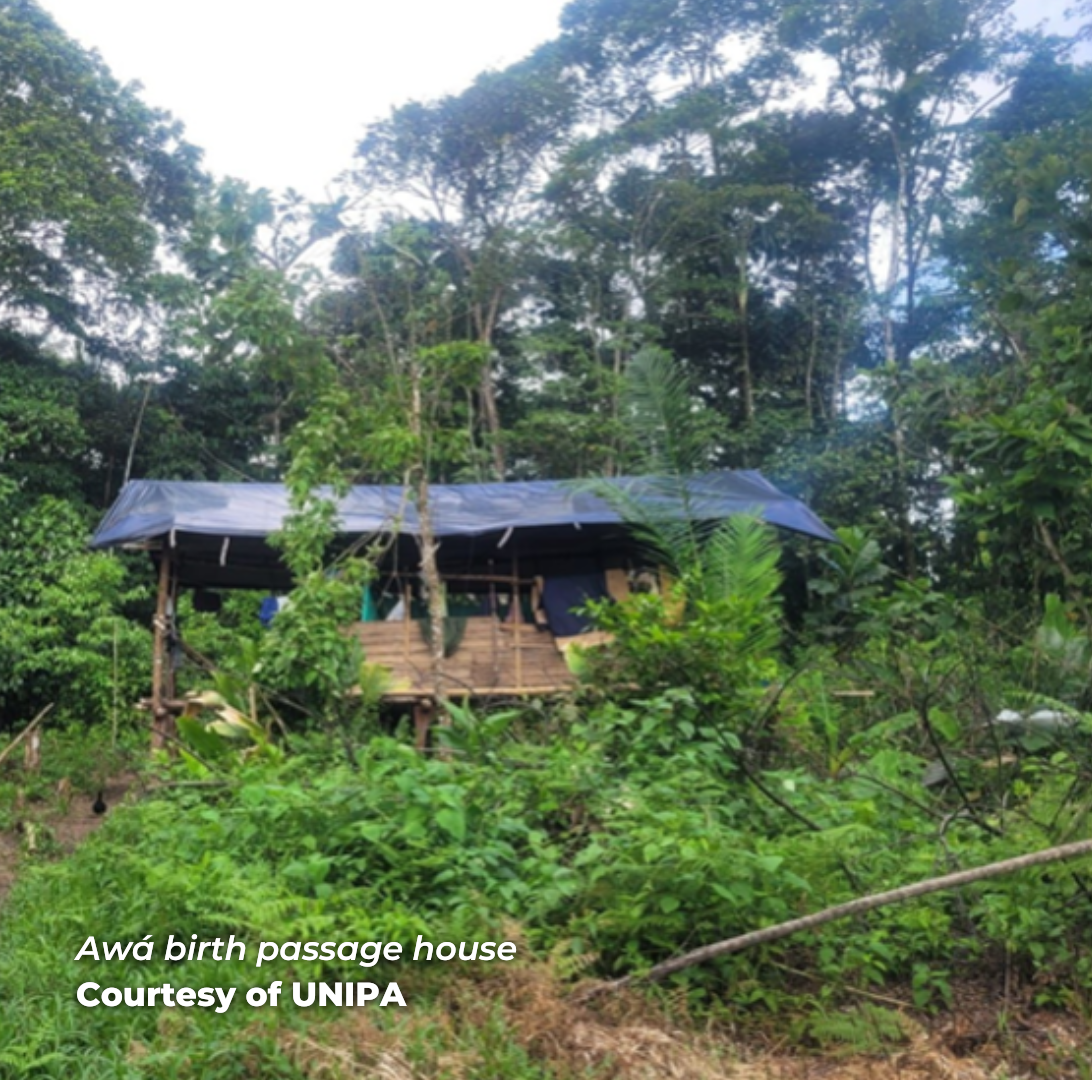
Living in these remote areas, the Awá face significant geographic isolation, with few roads and long journeys by foot, river, or plane to reach healthcare. Early pregnancy and limited prenatal care further complicate maternal and neonatal health. To address these challenges, the community uses birth passage houses, homes located closer to clinics and hospitals where women can stay if labor begins early or complications arise.
Parteros (traditional midwives) prepare mothers with herbal brews and juices and perform protective rituals. During childbirth, a traditional skirt protects the mother’s privacy. Oftentimes, guadua (bamboo) is used to cut the umbilical cord, and symbolic rituals with spiritual meaning are performed to safeguard the mother and child.
After birth, the placenta is either buried under the house or tied to a strong tree, symbolizing roots, protection, and a bond with ancestors and their territory. Newborns receive careful attention during the neonatal adaptation period, reflecting the belief that “Every small step is a great miracle. Neonatal care is an act of love and hope for the beginning of a life.” Postpartum care emphasizes rest, consuming hot and natural foods, and avoiding industrial products as part of a sacred recovery process.
UNIPA representatives highlighted how the Awá are leading their own SRHR initiatives, honoring Indigenous knowledge while improving maternal and neonatal outcomes. Their community-led, culturally grounded approach strengthens health and resilience from within, protecting mothers and children even in Colombia’s most geographically isolated areas.
An Intercultural Delivery Room and Other Community-integrated Initiatives
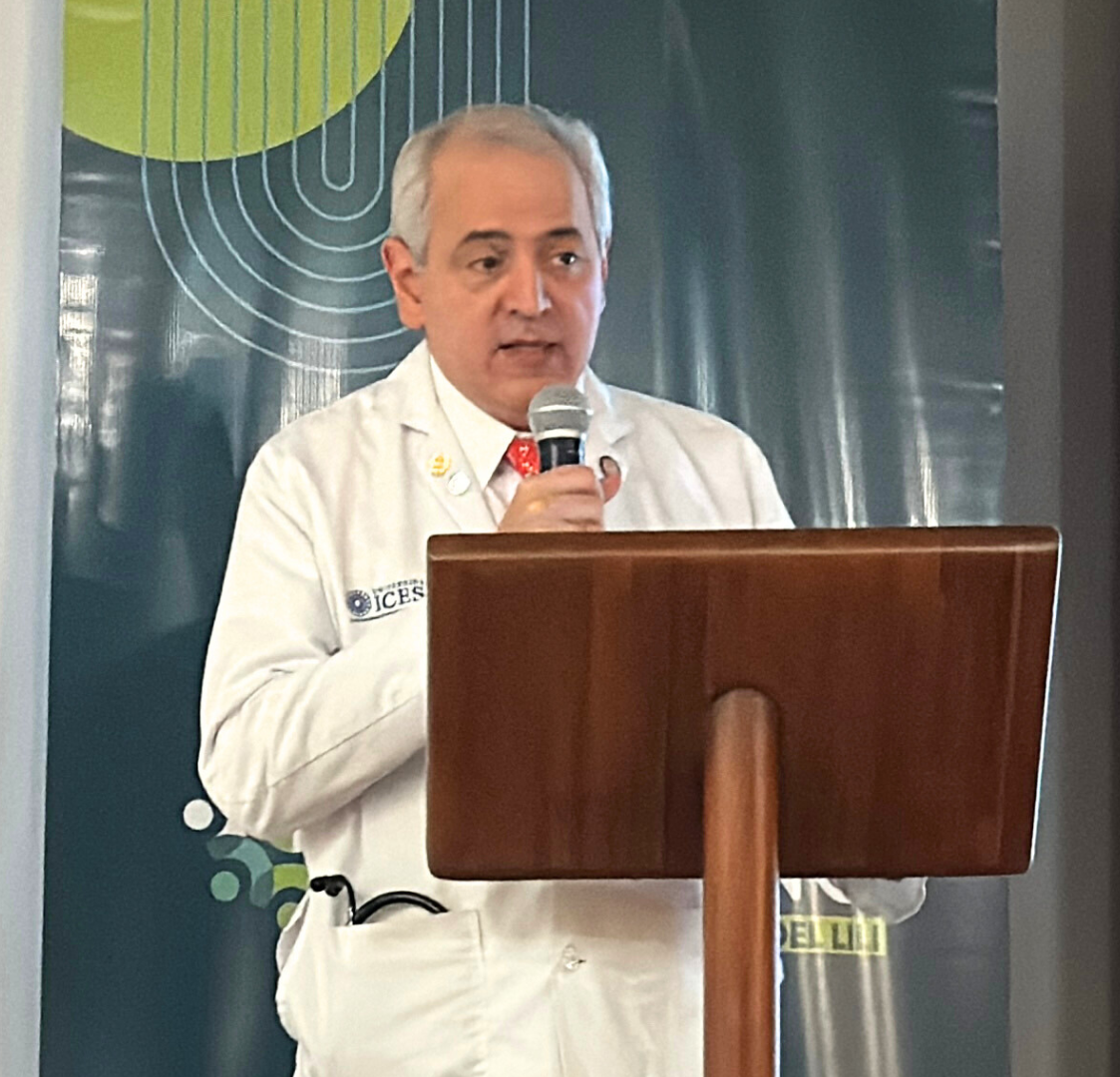
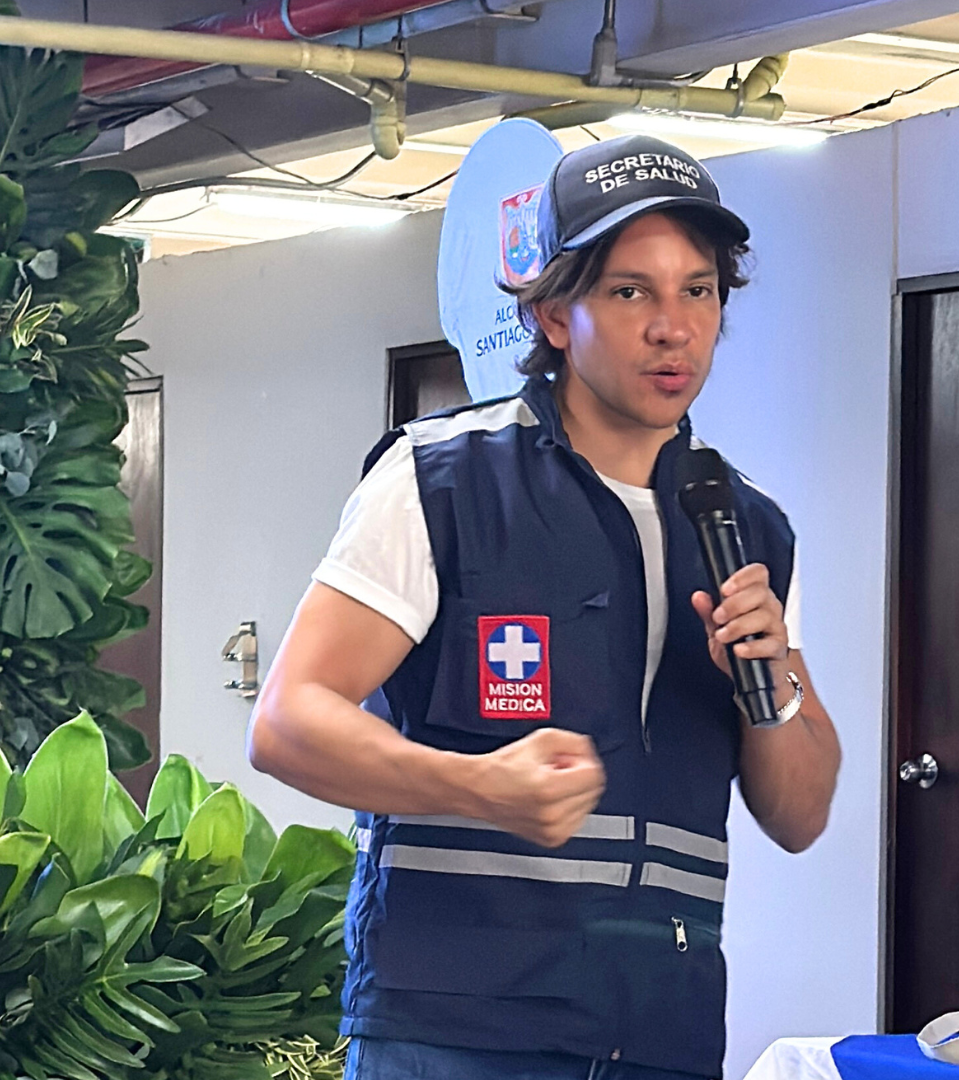
During our visit, Cali’s Secretary of Health, Germán Escobar Morales, showcased several social and cultural programs from the Mayor’s Office of Cali that are advancing SRHR in the area. Casa Matria, for instance, works to build a city free from gender-based violence, partnering with organizations across Cali to build intentional spaces that recognize women’s knowledge, experiences, needs, and interests.
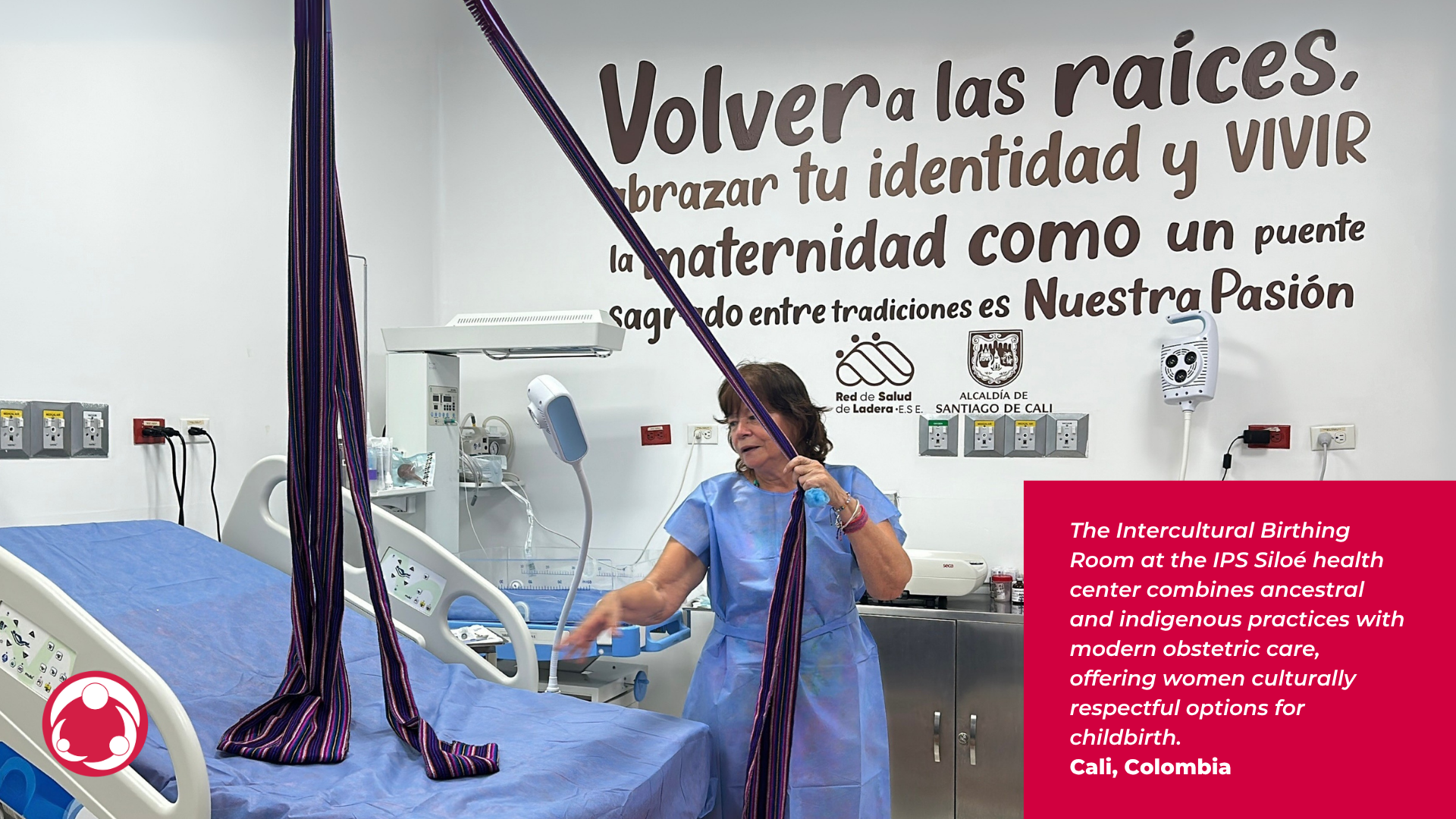
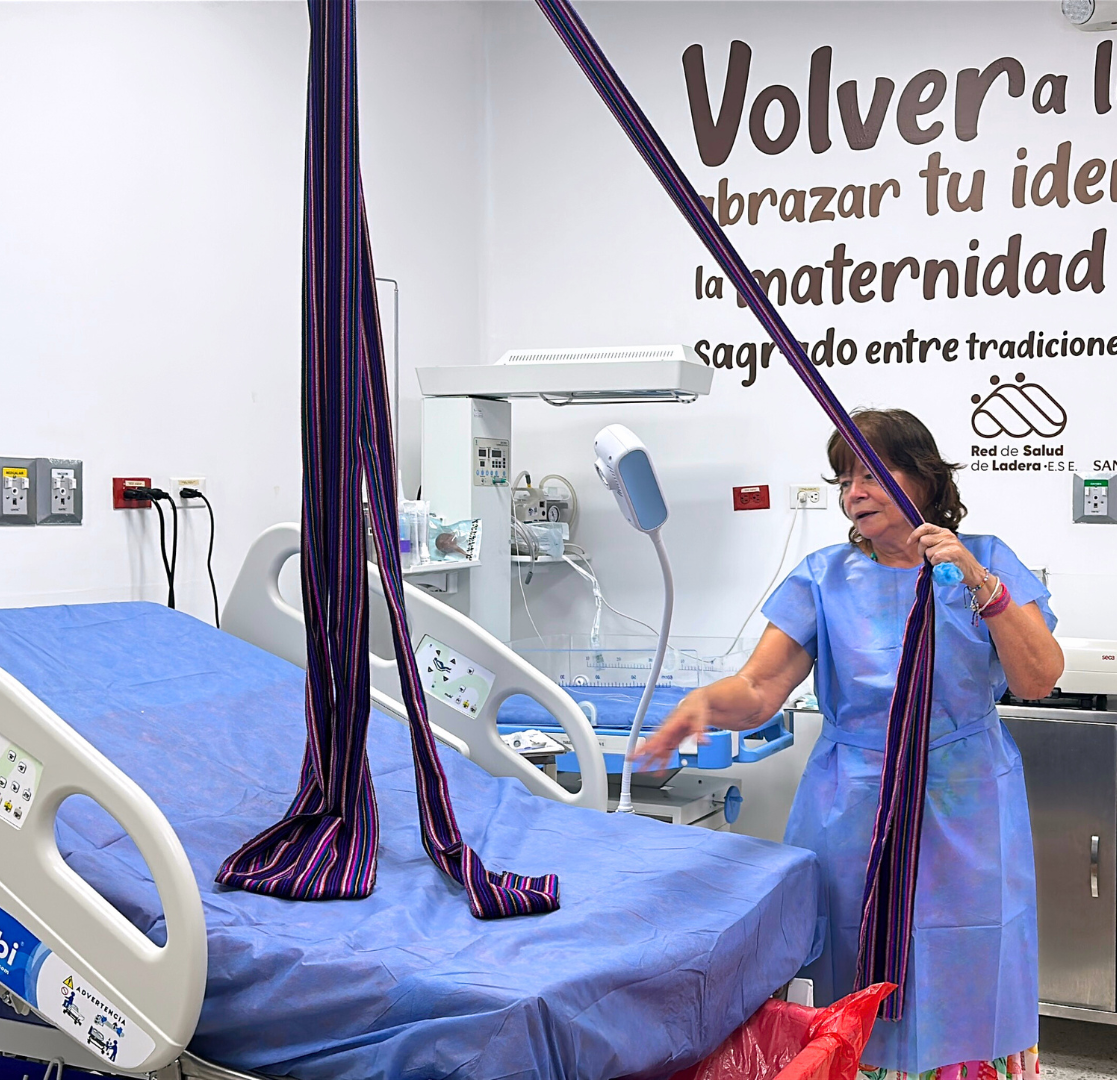
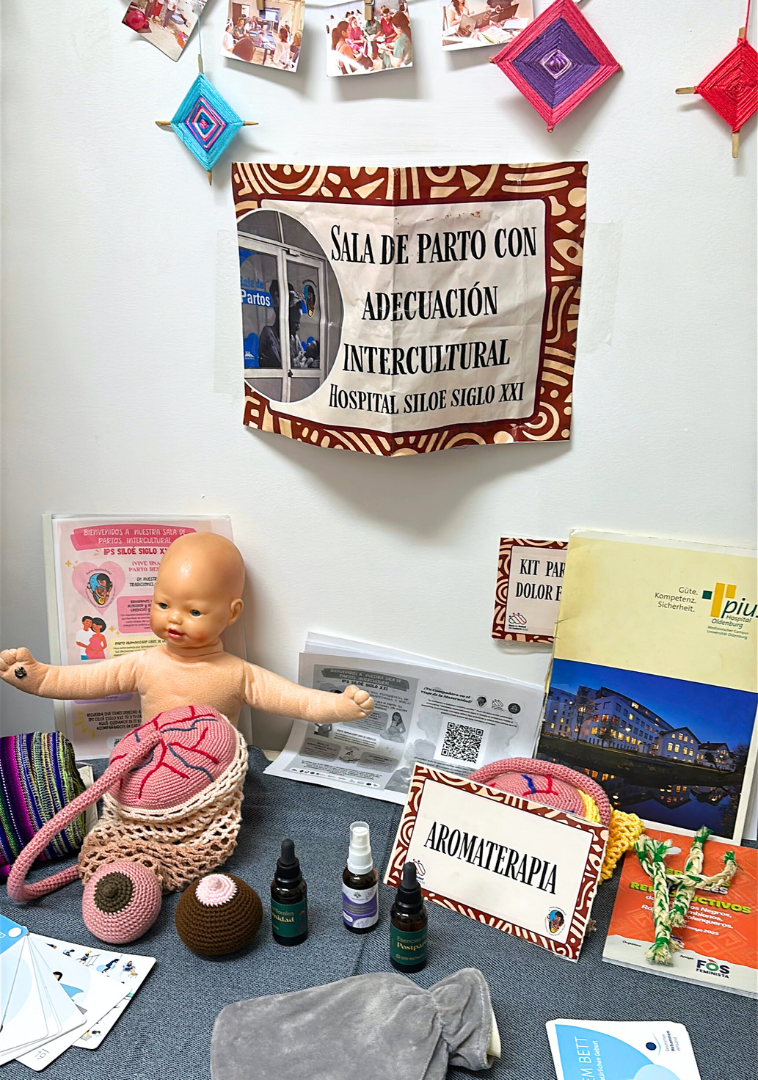
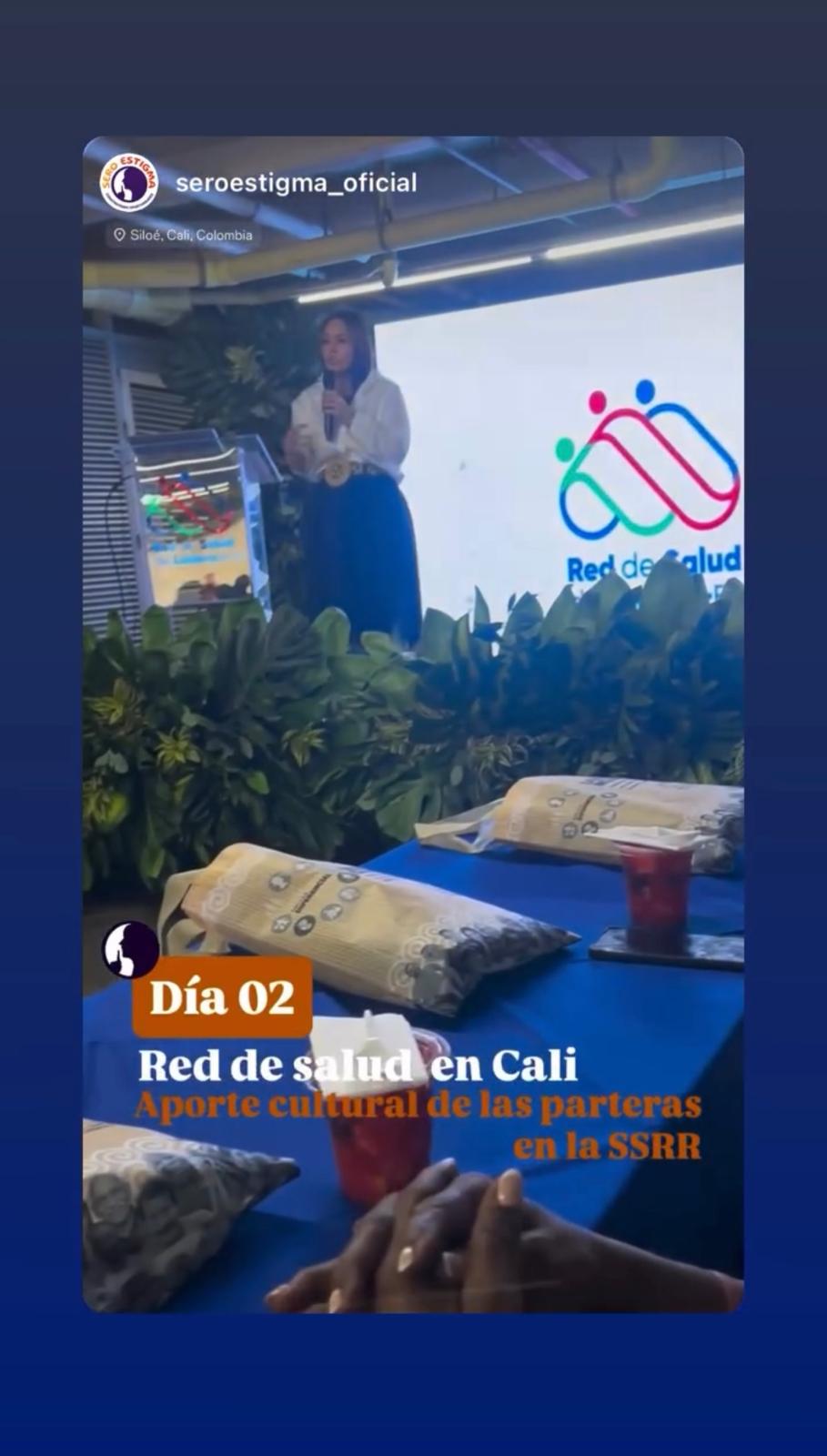
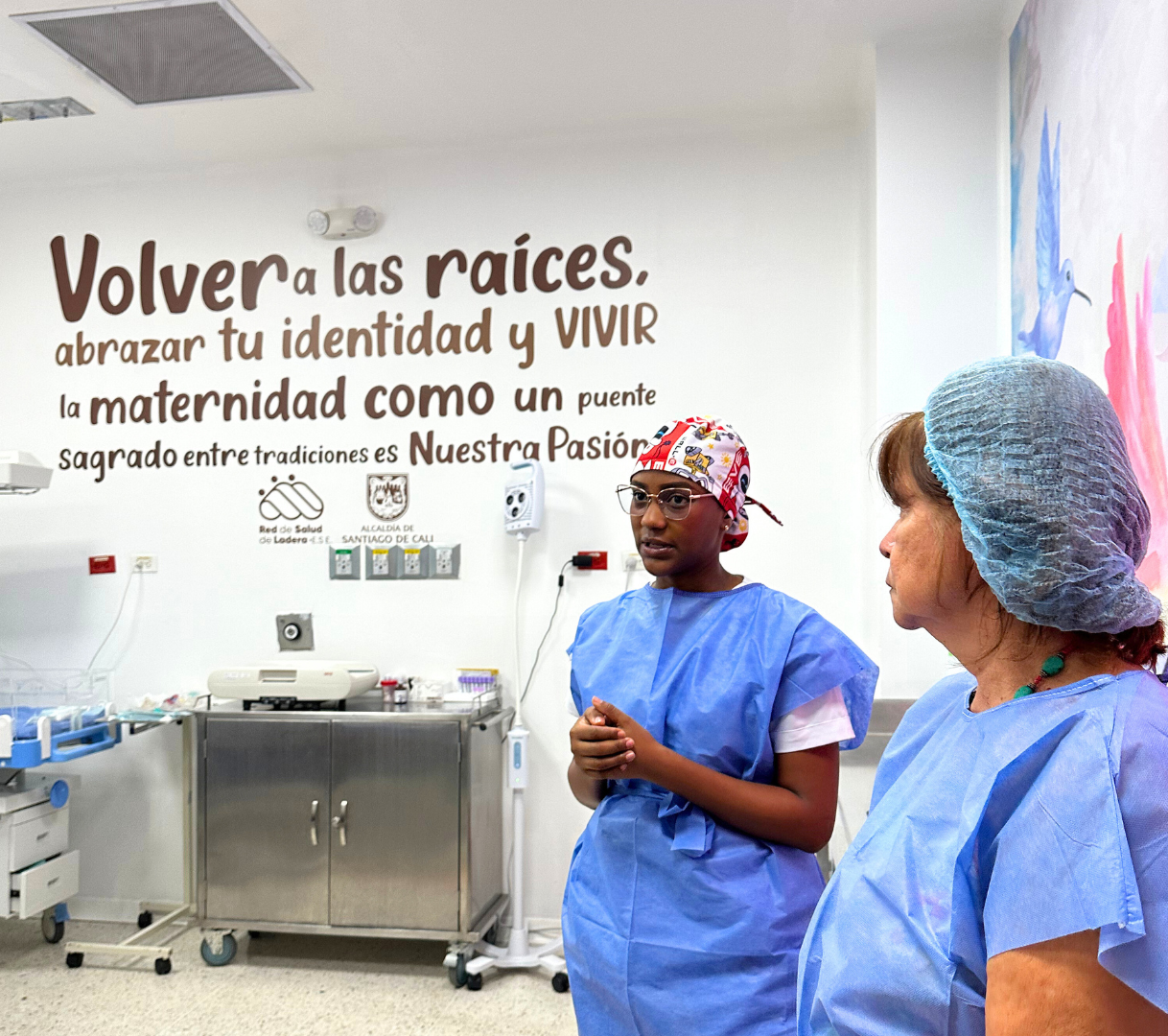
Another impactful program is Cali’s first Intercultural Birthing Room at IPS Siloé, part of the Ladera Health Network E.S.E. Inaugurated in 2025, this facility is designed to provide culturally responsive care for Indigenous and Afro-descendant women in the area.
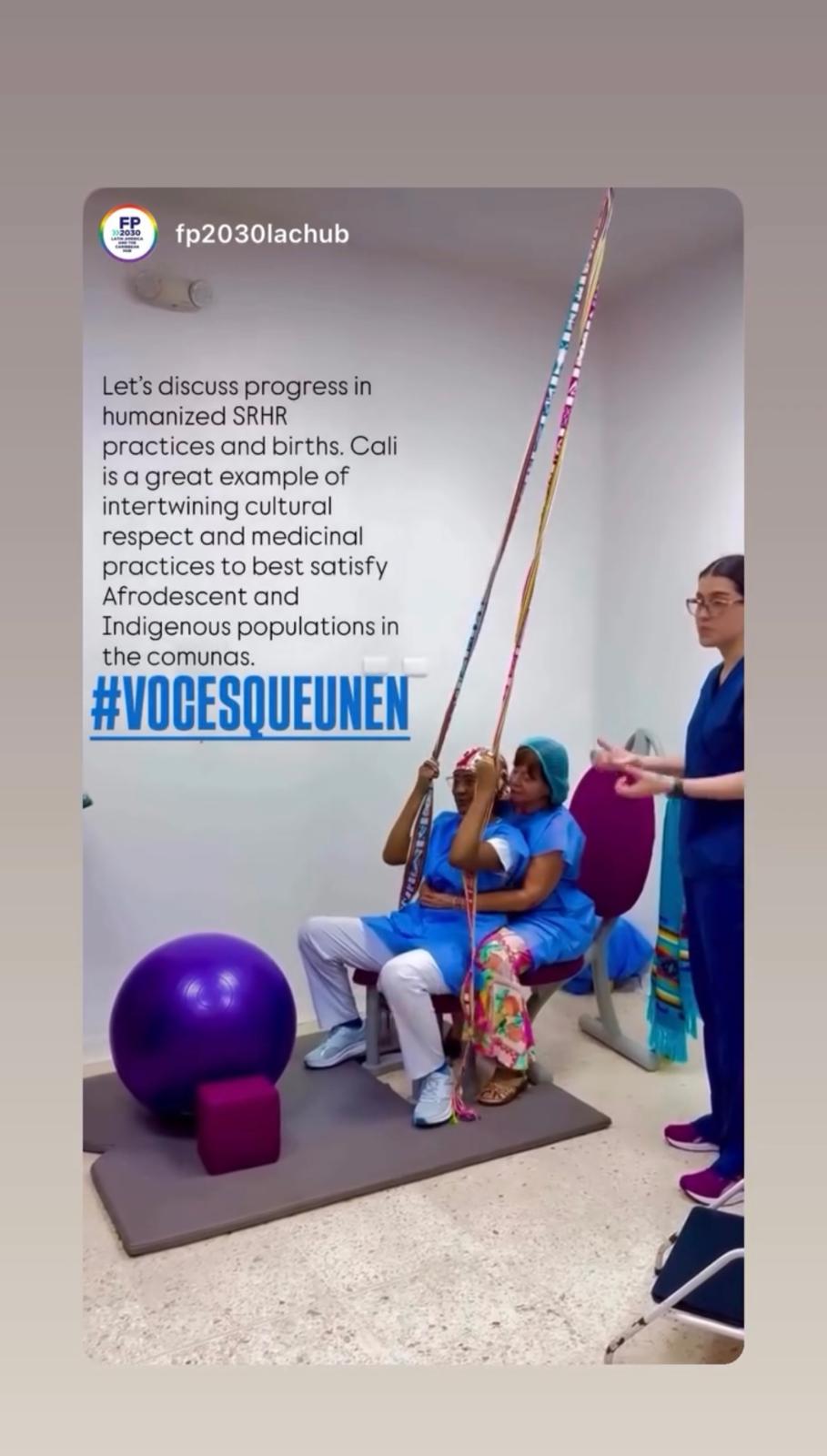
Here, births incorporate music, aromatherapy, looms for support, and alternative positions (sitting or squatting) while ensuring full access to surgical units, anesthesia, gynecology, and psychosocial care. Doulas and doctors work together to provide births that are safe, respectful, and attentive to mothers’ traditions and needs.
Cali is a striking example of humanized SRHR practices, where cultural respect and medical care come together to serve Afro-descendant and Indigenous populations in the city’s various comunas (neighborhoods).
As FPNN Journalist and Jacarandas Coordinator of Social Mobilization Laura Gutiérrez put it, “At that intersection—between tradition and science—lies a silent but powerful force: feminist care.”
Taking Care of Caregivers: CuidArte’s Impact on Women and Families
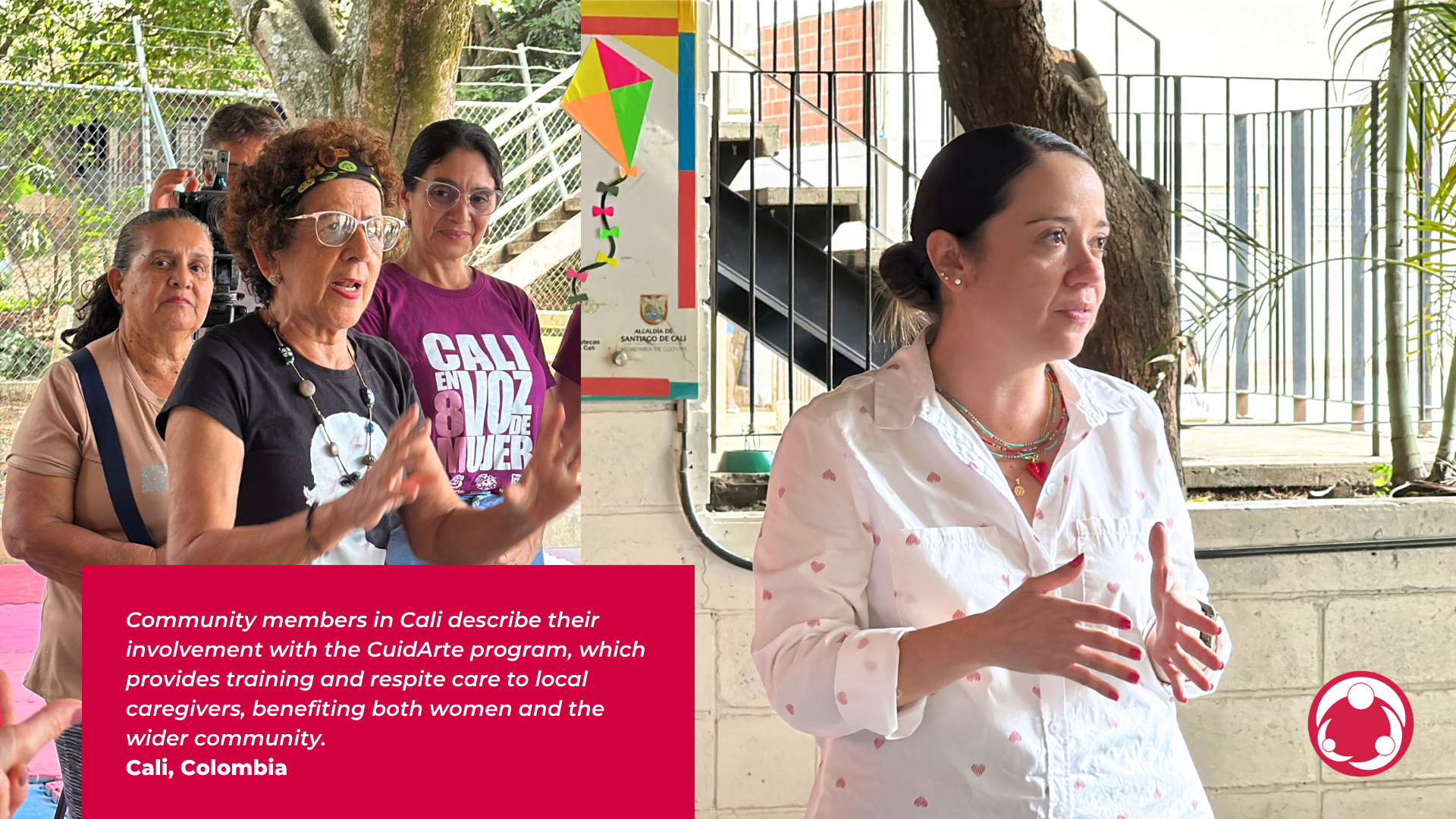
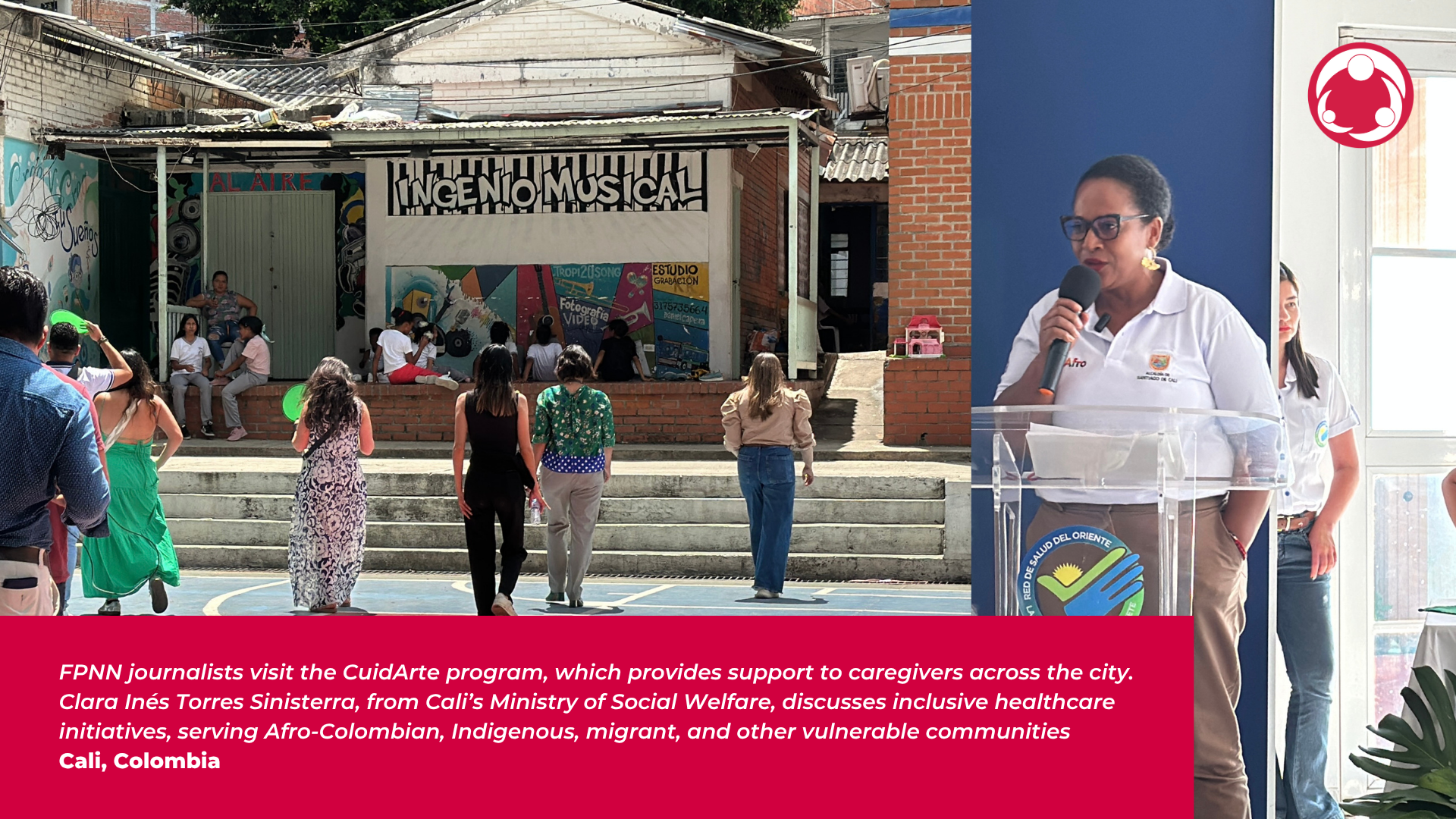
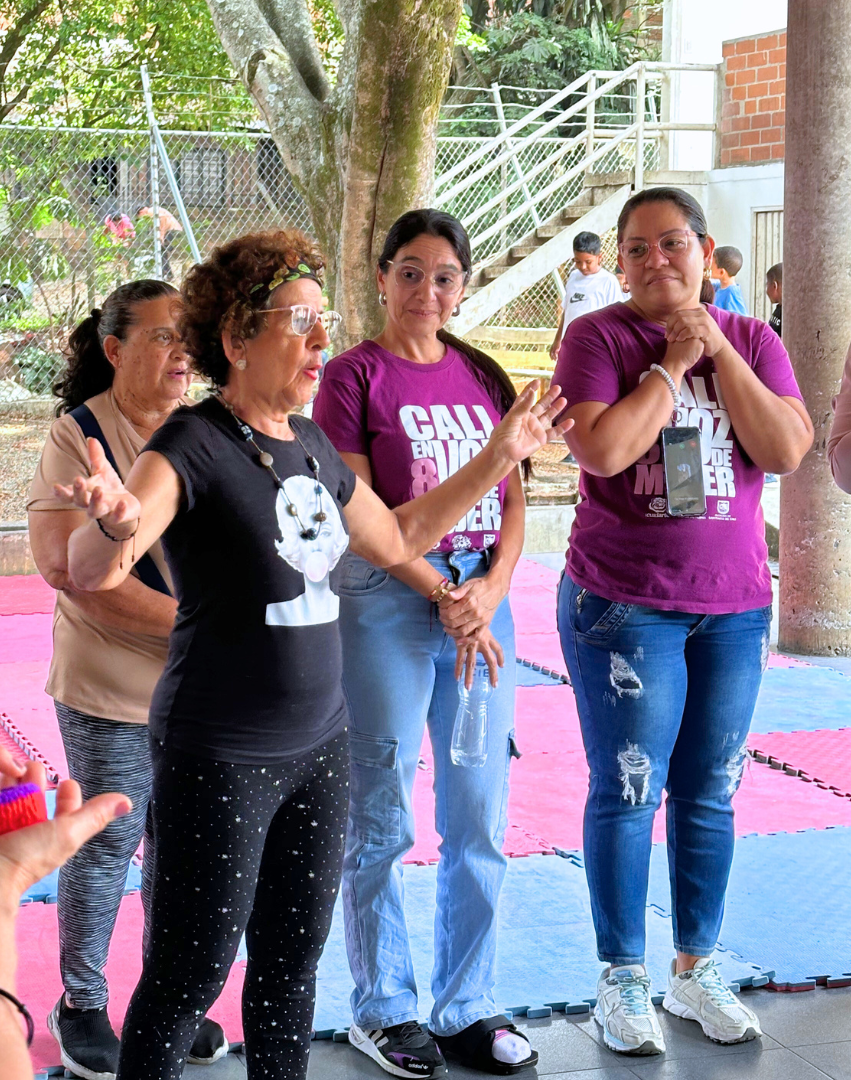
Our FPNN journalists also connected with individuals involved with CuidArte, another program of the Mayor’s Office of Cali, providing essential services in underserved neighborhoods.
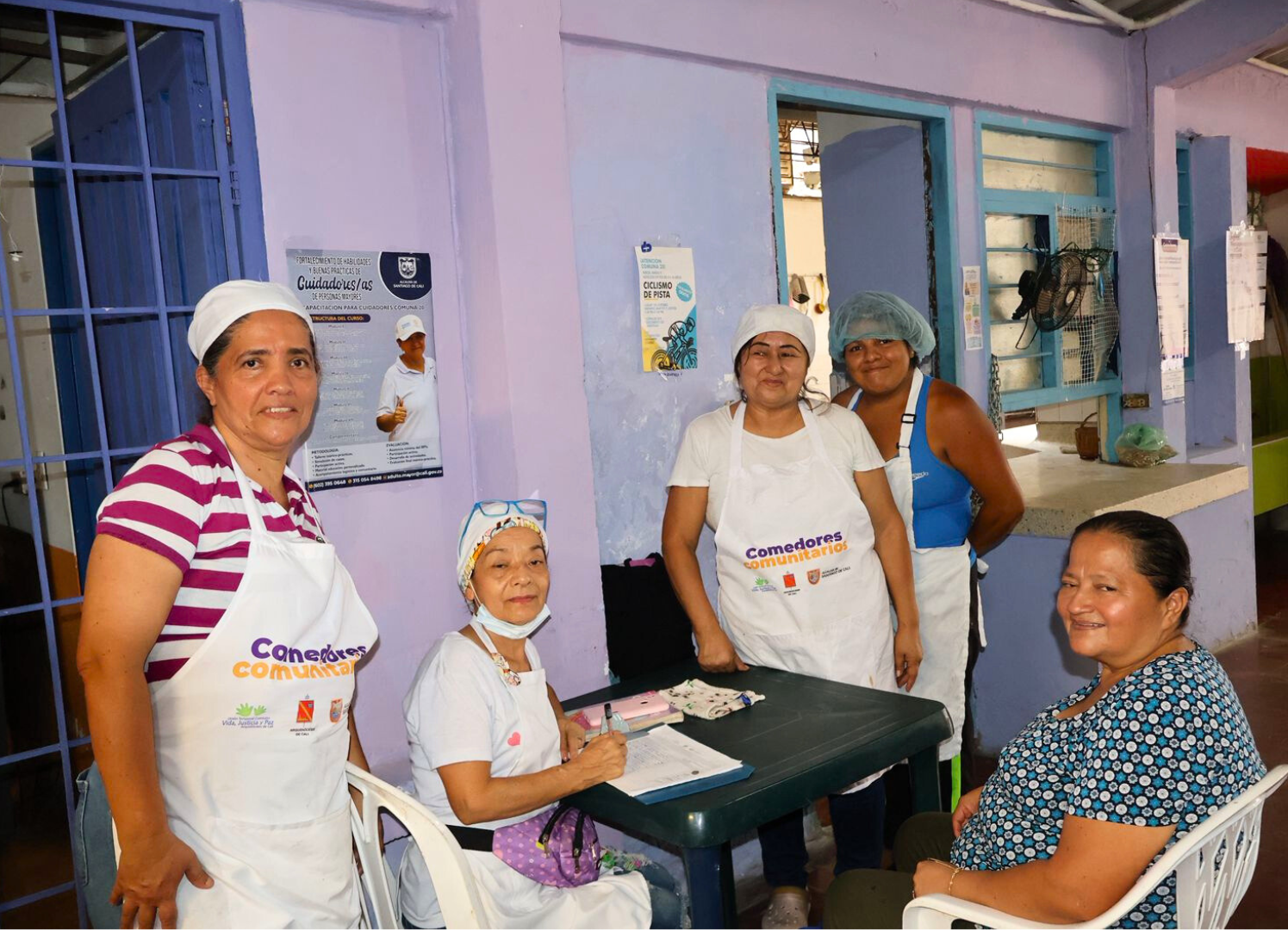
The program supports women—particularly caregivers—by offering psychosocial support, legal assistance, and economic empowerment resources. CuidArte’s mirrored model “benefits both caregivers and those they care for,” expanding access to rights, fostering autonomy, and promoting overall well-being and self-care. The program currently serves approximately 1,000 women in urban and rural areas in and adjacent to Cali.
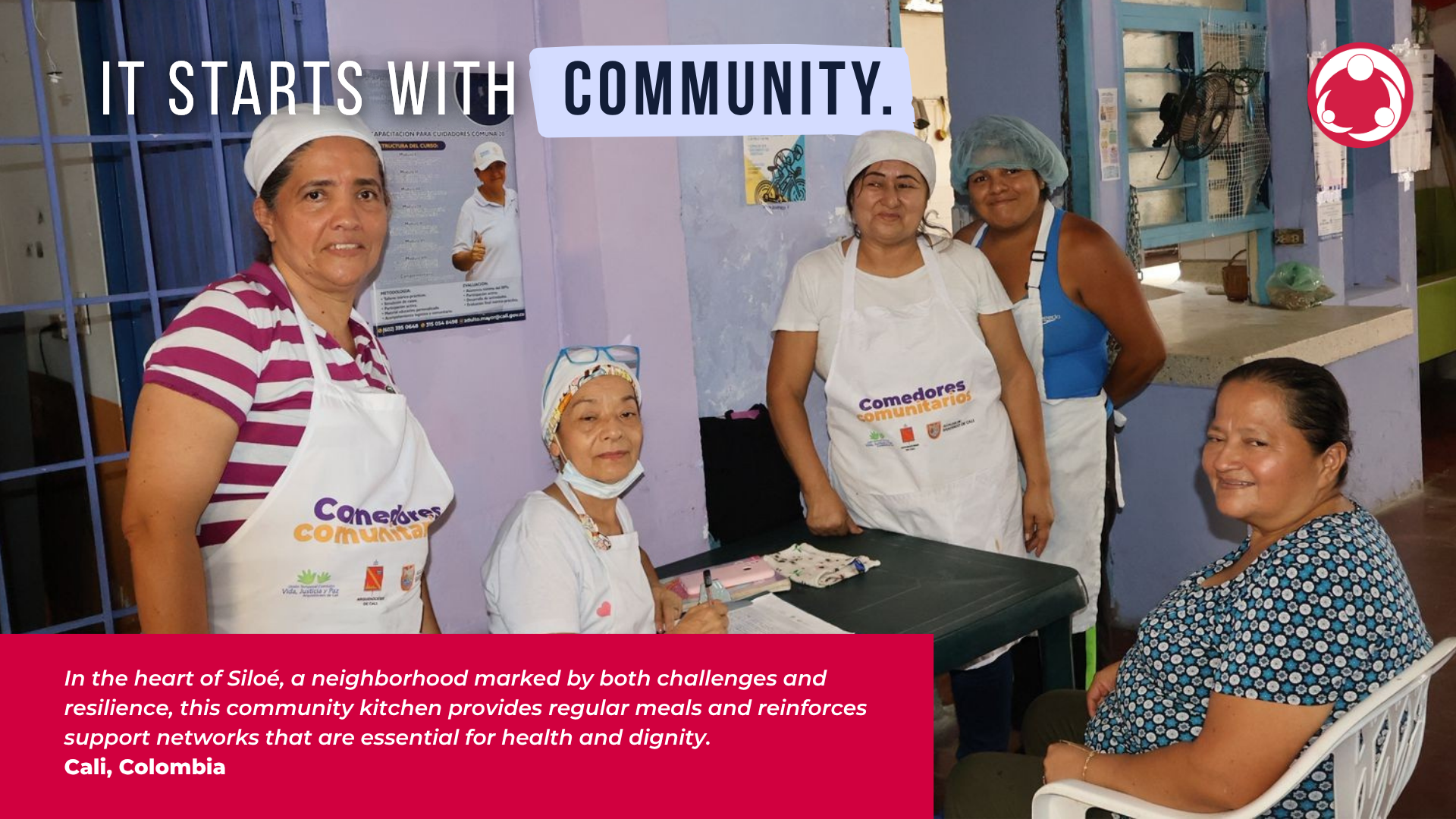
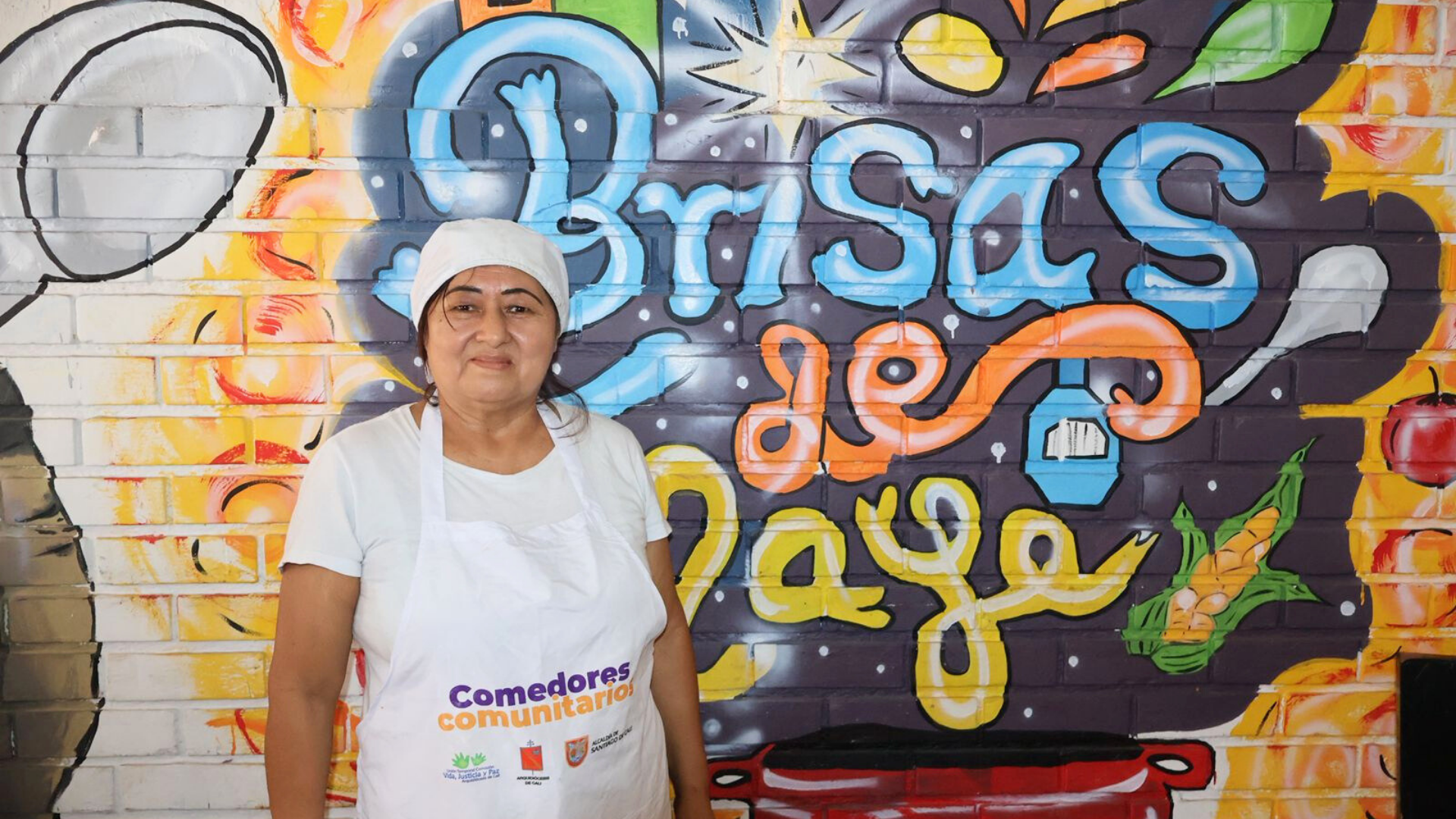
At the site we visited, children played in the courtyard while musicians recorded original songs in the community studio, reflecting the supportive and joyful environment CuidArte cultivates. Meanwhile, volunteers in the on-site community kitchen began preparing lunch, providing free, nourishing meals so caregivers don’t have to shoulder that burden alone.
Community members of all ages emphasized the program’s impact spreads beyond individual participants, strengthening connections between families and neighbors and fostering a culture of care across generations. This program shows what's possible when community members work together to help each other thrive.
Honoring Cali’s Cultural Richness and Supporting Afro-Colombian Voices
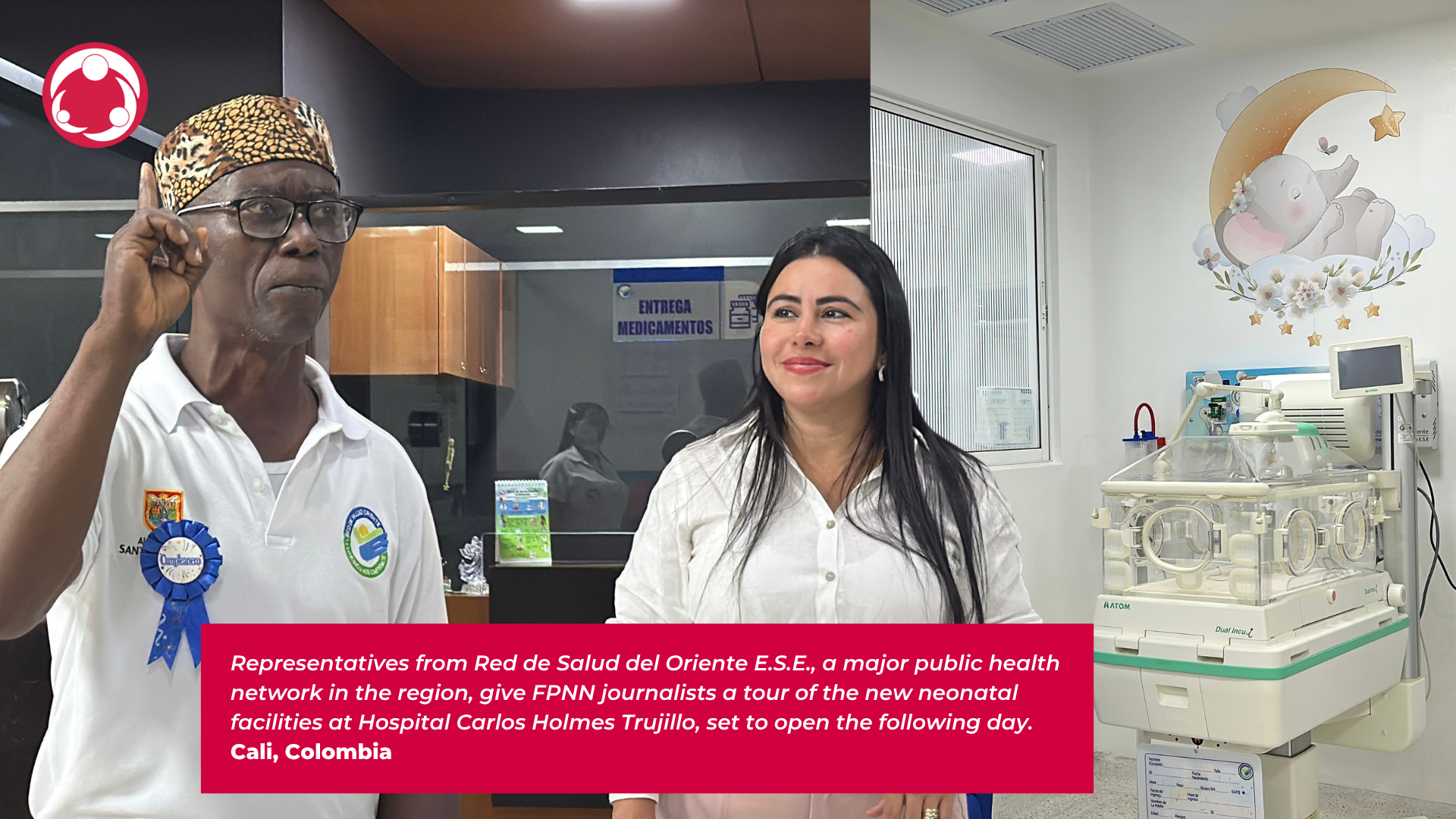
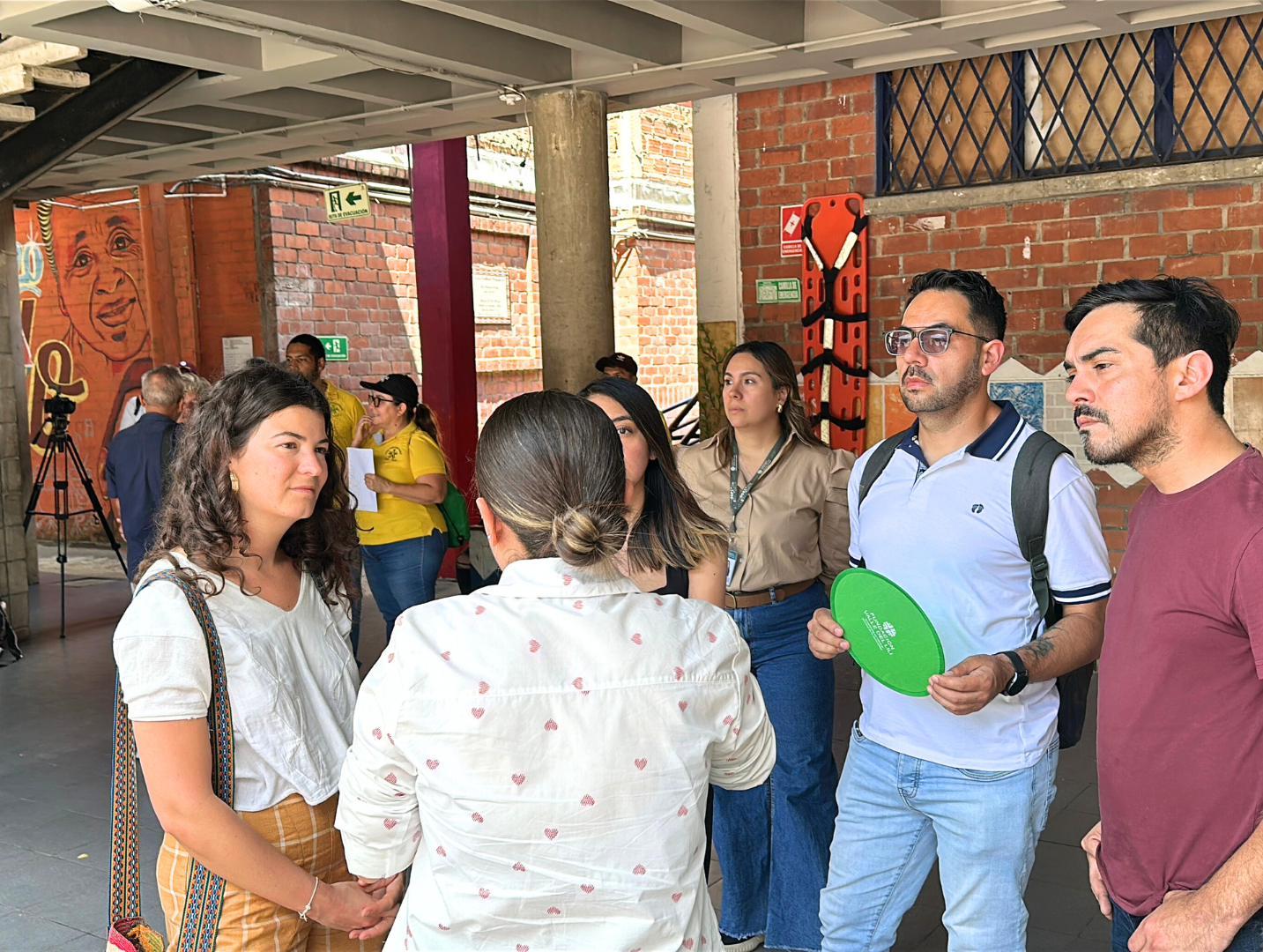
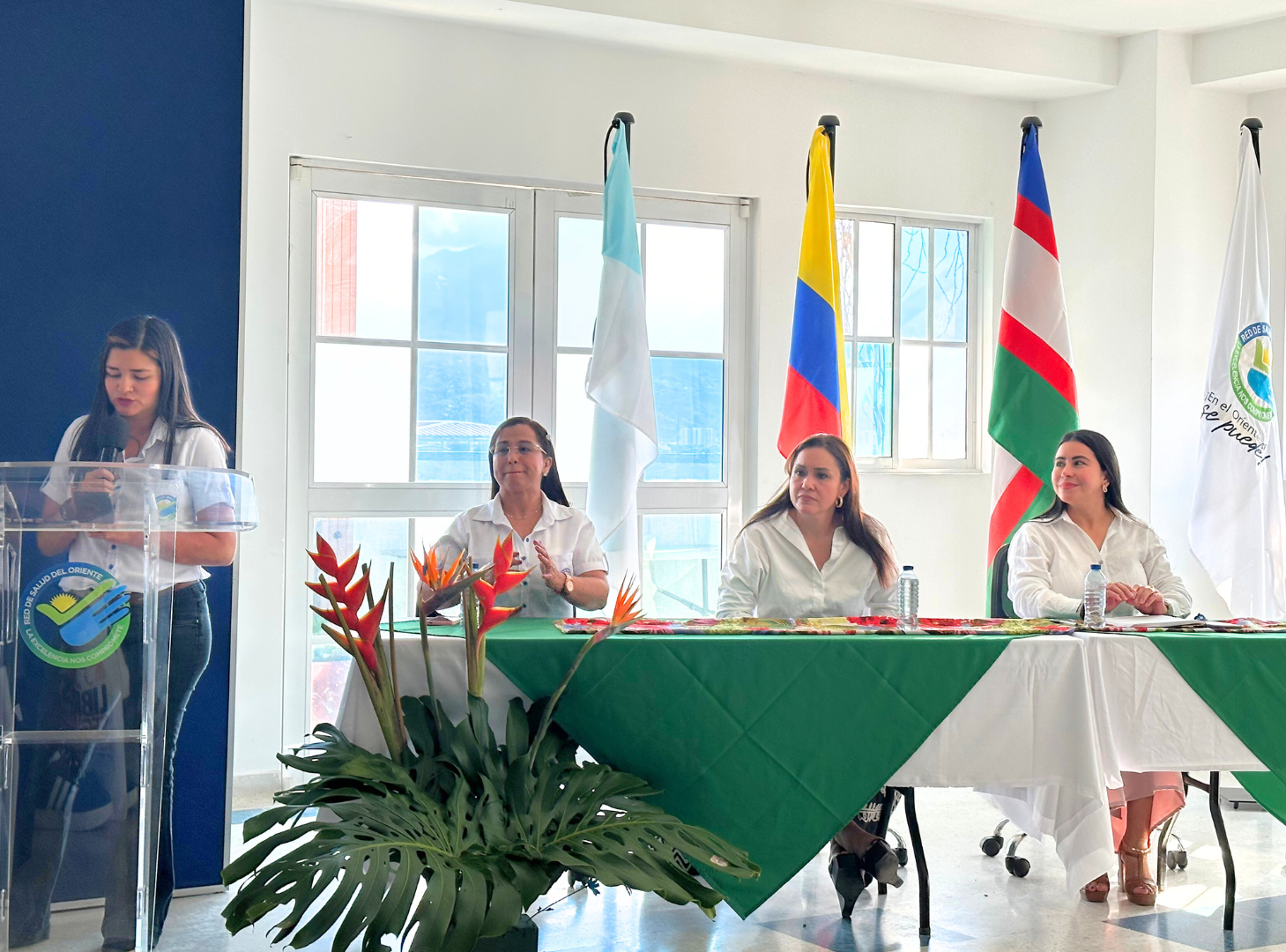
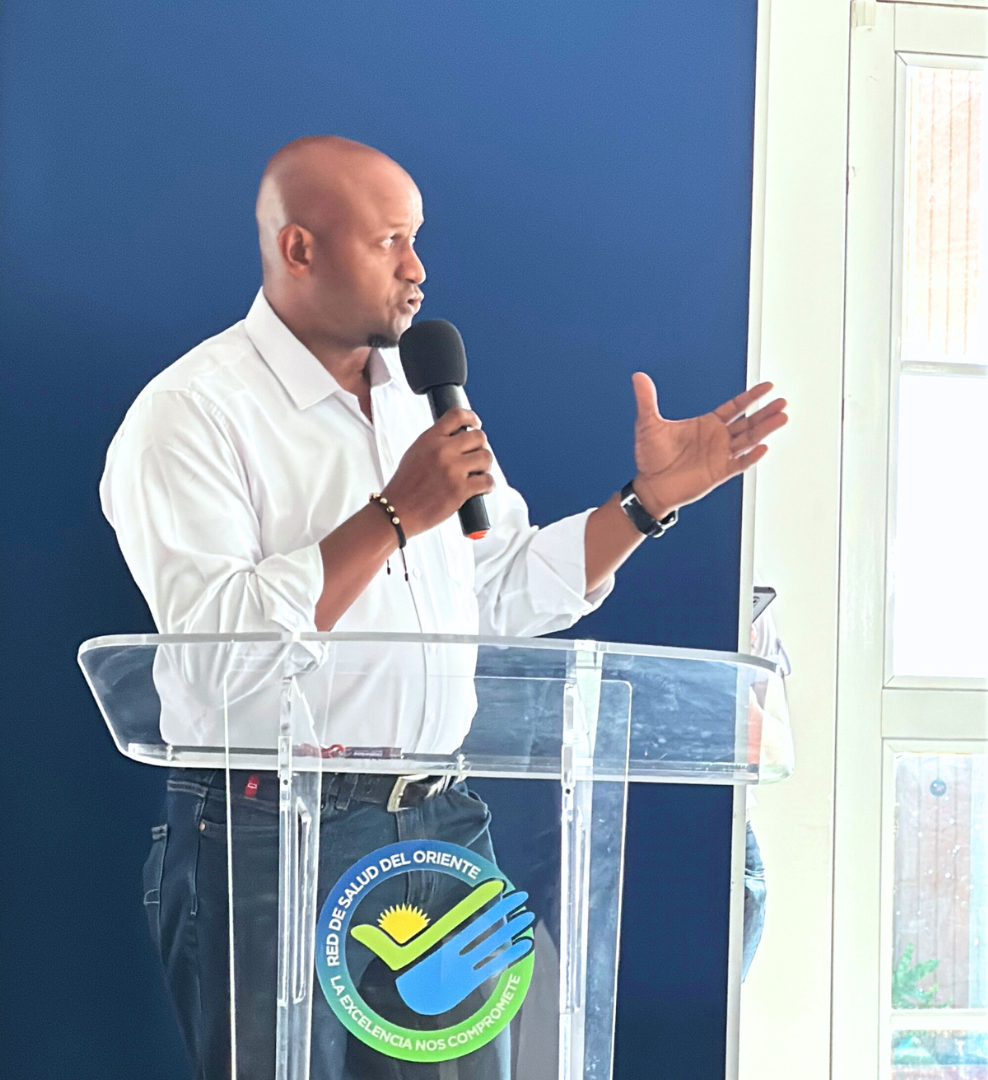
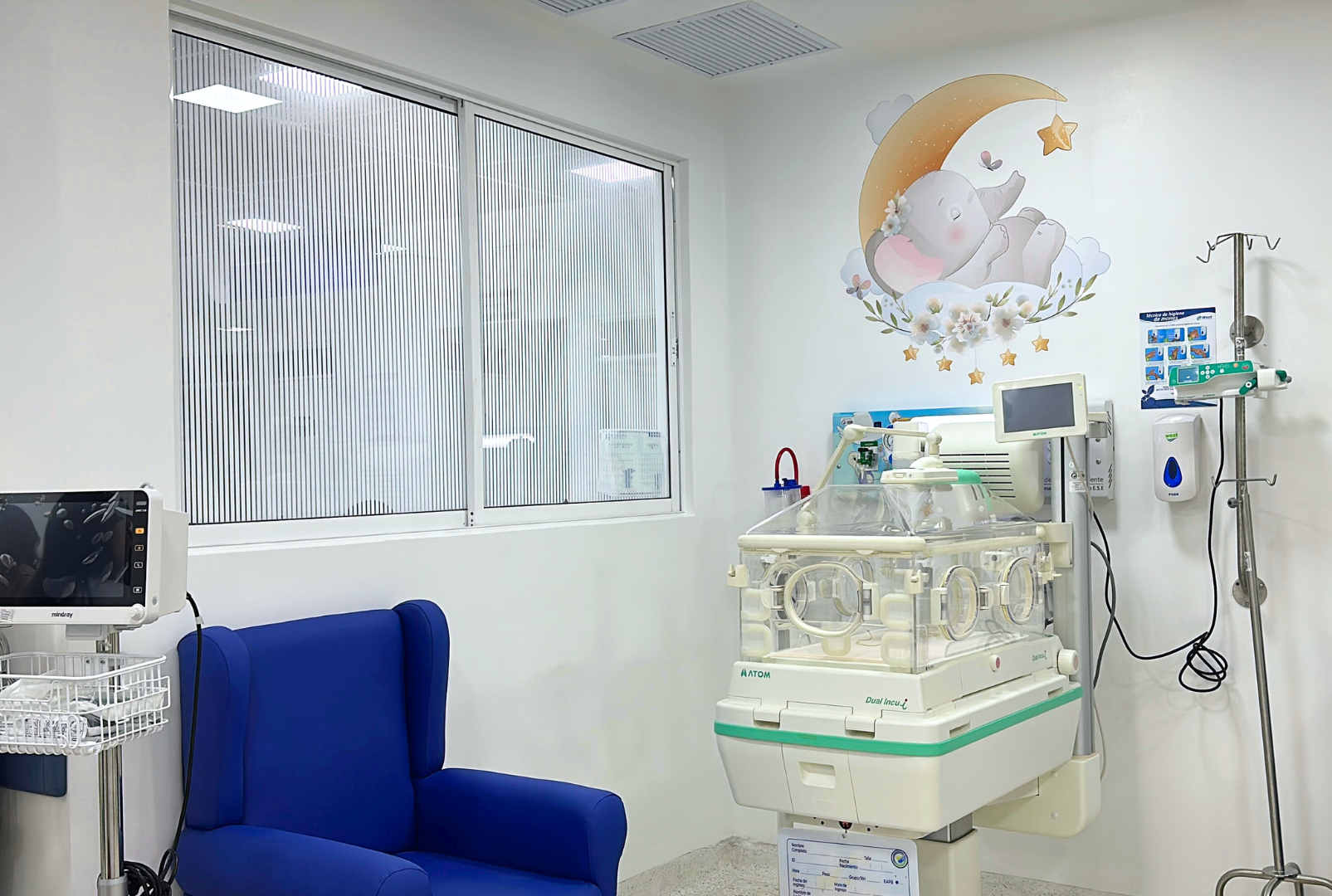
Our team also visited Hospital Carlos Holmes Trujillo, a “godchild” hospital under Fundación Valle del Lili’s Hospital Padrino initiative. Located in Cali’s Aguablanca district, a neighborhood with a large Afro-Colombian population, the hospital gathered representatives from Red de Salud del Oriente E.S.E. (Eastern Health Network), who gave us a tour of the new neonatal facilities, opening the following day. The visit highlighted the hospital’s essential role in serving this densely populated and culturally vibrant community.
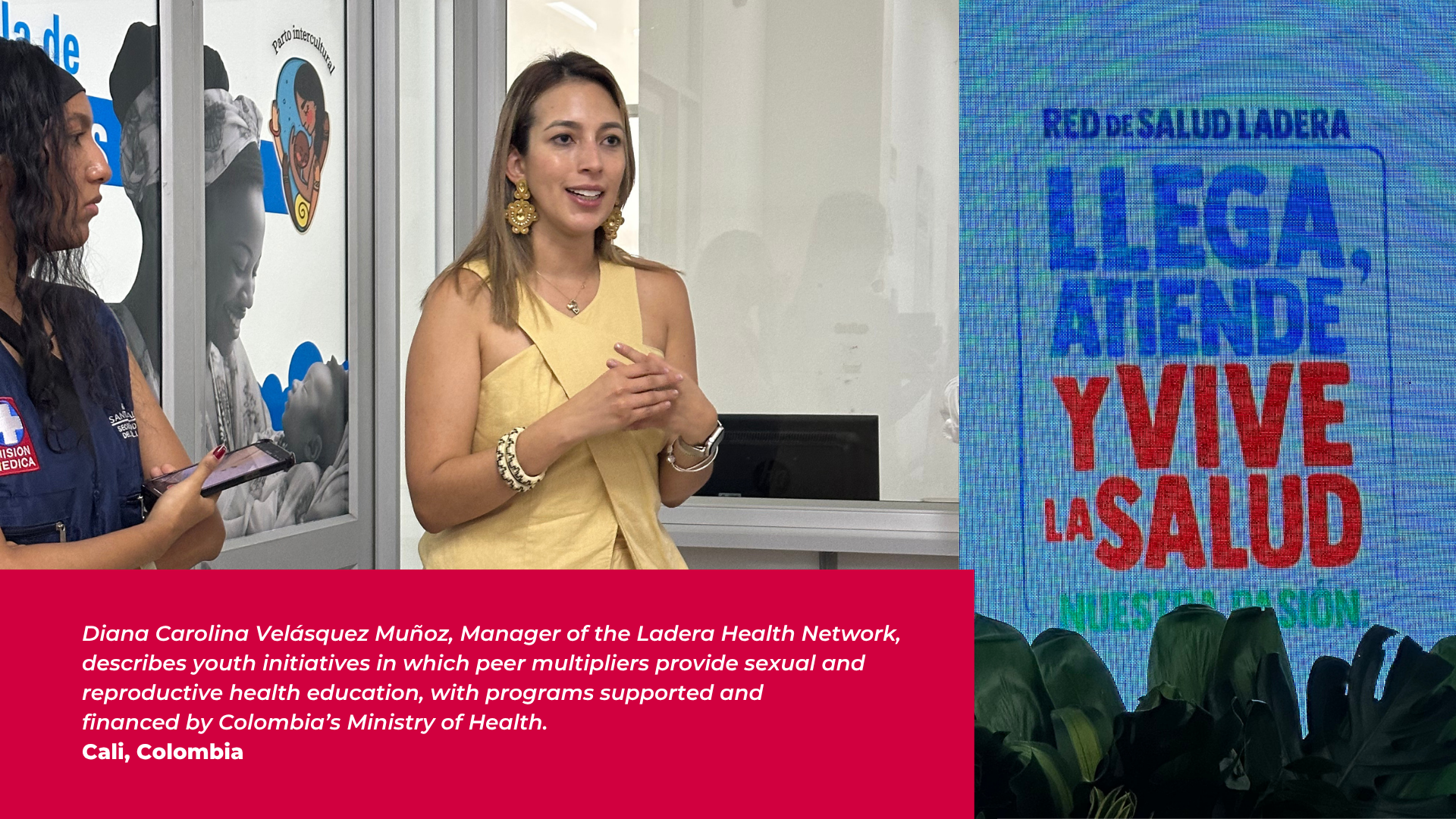
We learned about the Red de Salud del Oriente's youth-centered programs, including initiatives where young people create funny social media videos and memes on Instagram and TikTok to educate their peers and spark conversations on SRHR and mental health. The health network also highlighted its robust mental health strategies, including psychosocial interventions to prevent suicide, safe spaces for emotional expression, and early intervention for substance use.
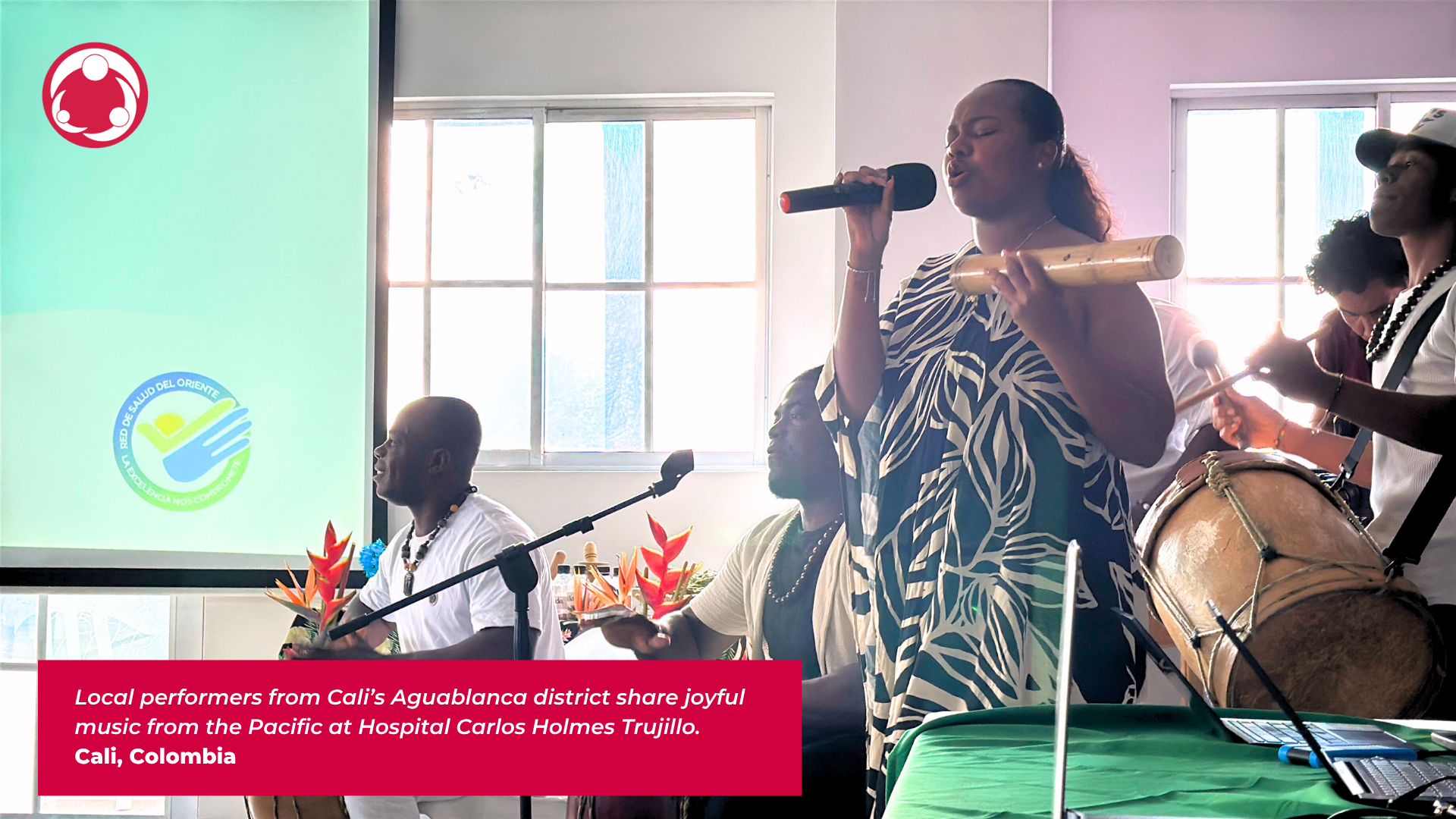
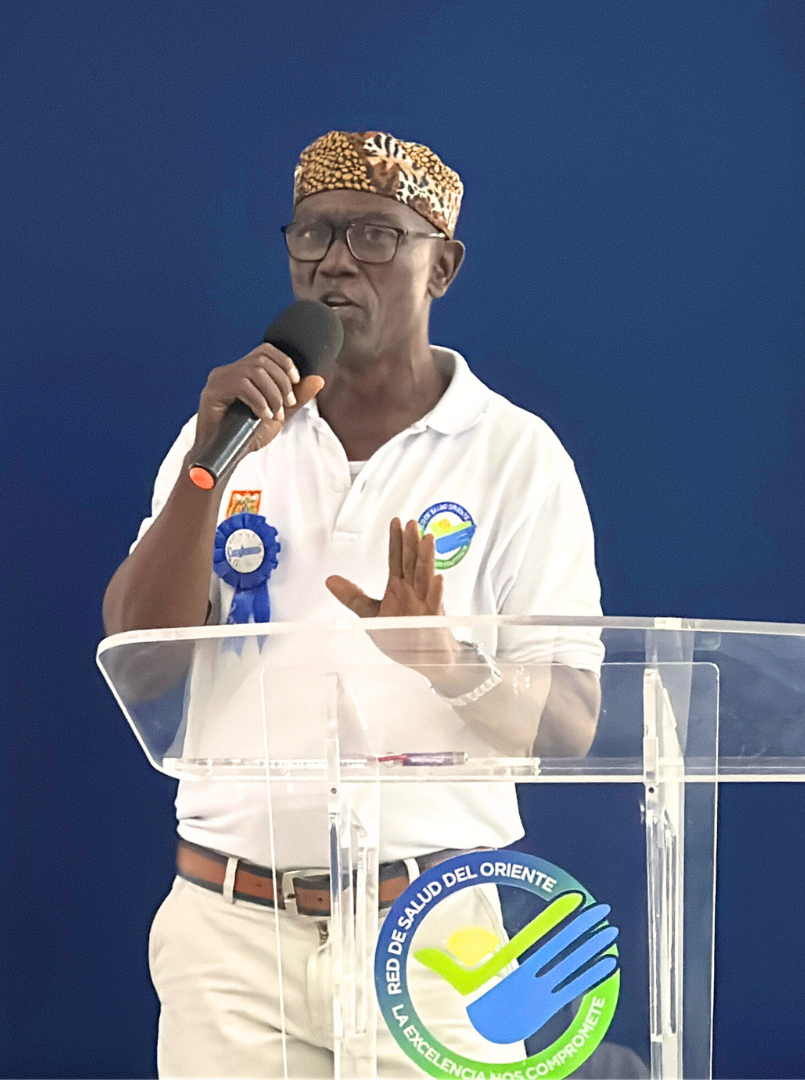
Throughout our visit, everyone we spoke with emphasized the importance of embracing and celebrating Cali's cultural diversity—from the flavors of traditional foods and drinks to the energy of salsa dancing and the rhythms of Pacific music. Live performances by local musicians brought the city’s rich culture to life.
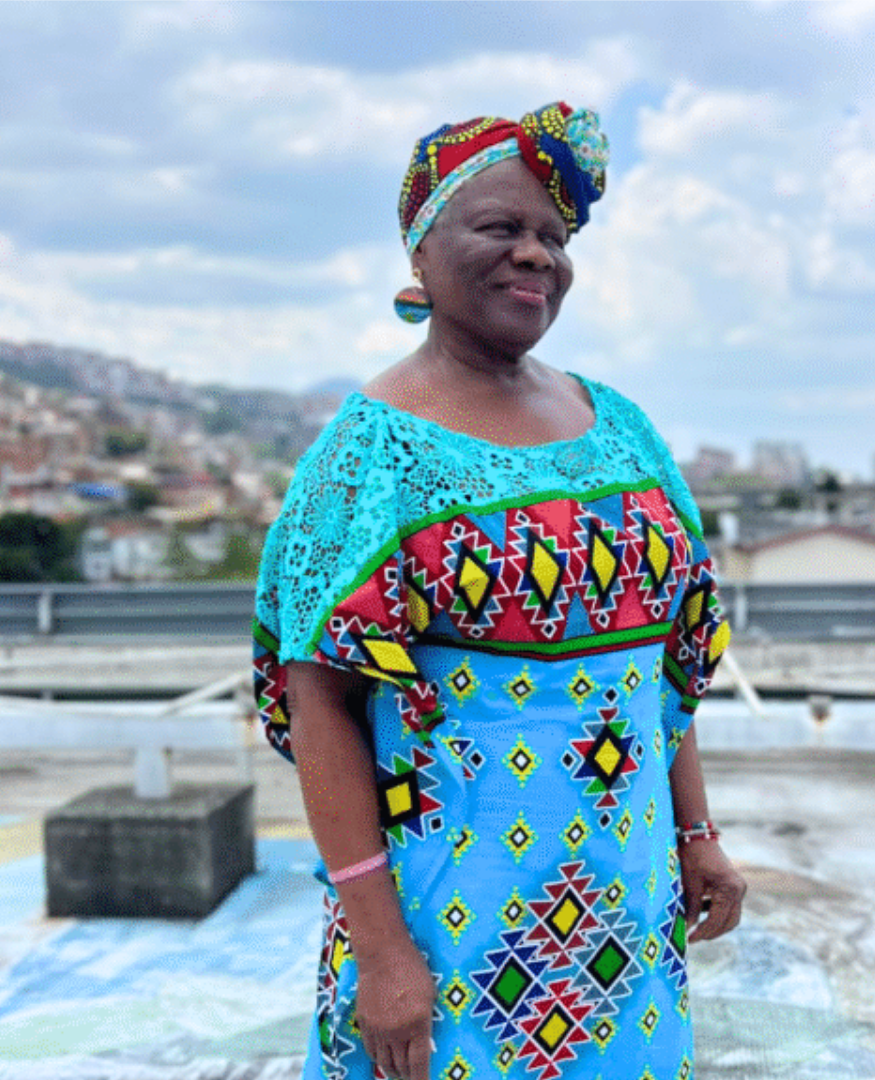
Cultural appreciation is also reflected in city policies such as the CaliAfro program, designed to address historical inequalities. The program offers legal guidance, training, workshops, and institutional support to enhance health, education, and economic opportunities for Black, Afro-Colombian, Raizal, and Palenquero communities—groups that have historically faced higher infant mortality, lower life expectancy, and greater poverty in the area. CaliAfro promotes inclusive development and cultural recognition to help reduce these disparities.
Lessons for the Global SRHR Community
For SRHR professionals around the world, Cali reminds us to:
- Leverage community diversity to strengthen health systems. Inclusive health strategies that recognize and incorporate the unique cultures, languages, and experiences of all community members lead to more effective, equitable, and sustainable care.
- Respect and integrate cultural knowledge. Honor Indigenous, Afro-descendant, and other community traditions while combining them with evidence-based medical practices to improve health outcomes.
- Use innovative, accessible technologies. Telemedicine and mobile tools like WhatsApp can overcome geographic and logistical barriers, bringing high-quality care to vulnerable populations.
Our visit to Cali demonstrated how a combination of cultural respect, community knowledge, and innovative healthcare strategies can create more equitable and humanized services. From the mountains of the Awá to the bustling streets of Aguablanca, these initiatives illustrate the importance of tailoring health systems to the unique needs and traditions of every community—an approach that offers lessons for cities worldwide.
Voices on Social Media
Explore social media posts from this FPNN Colombia Reporting Trip stop below ⬇
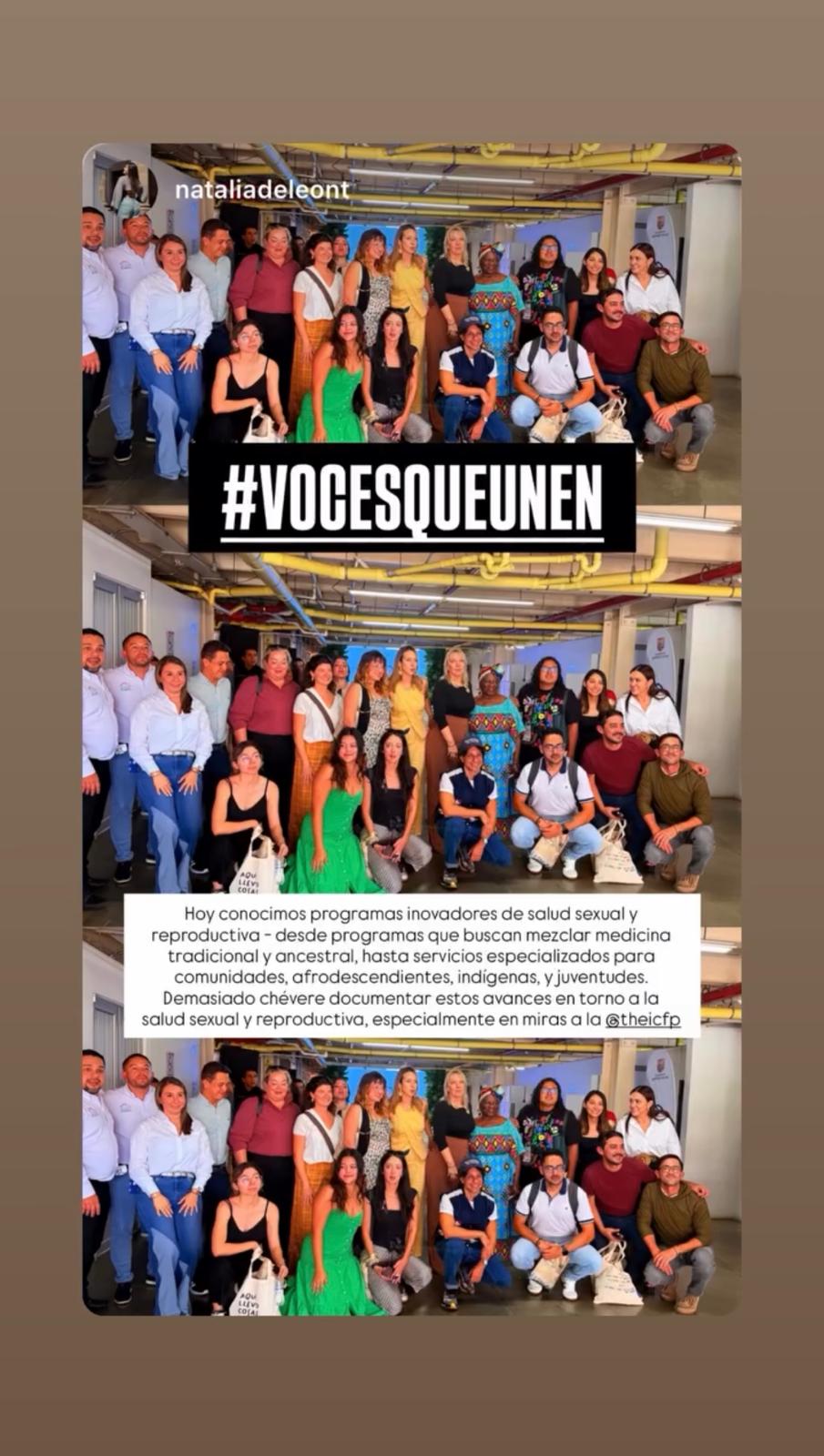
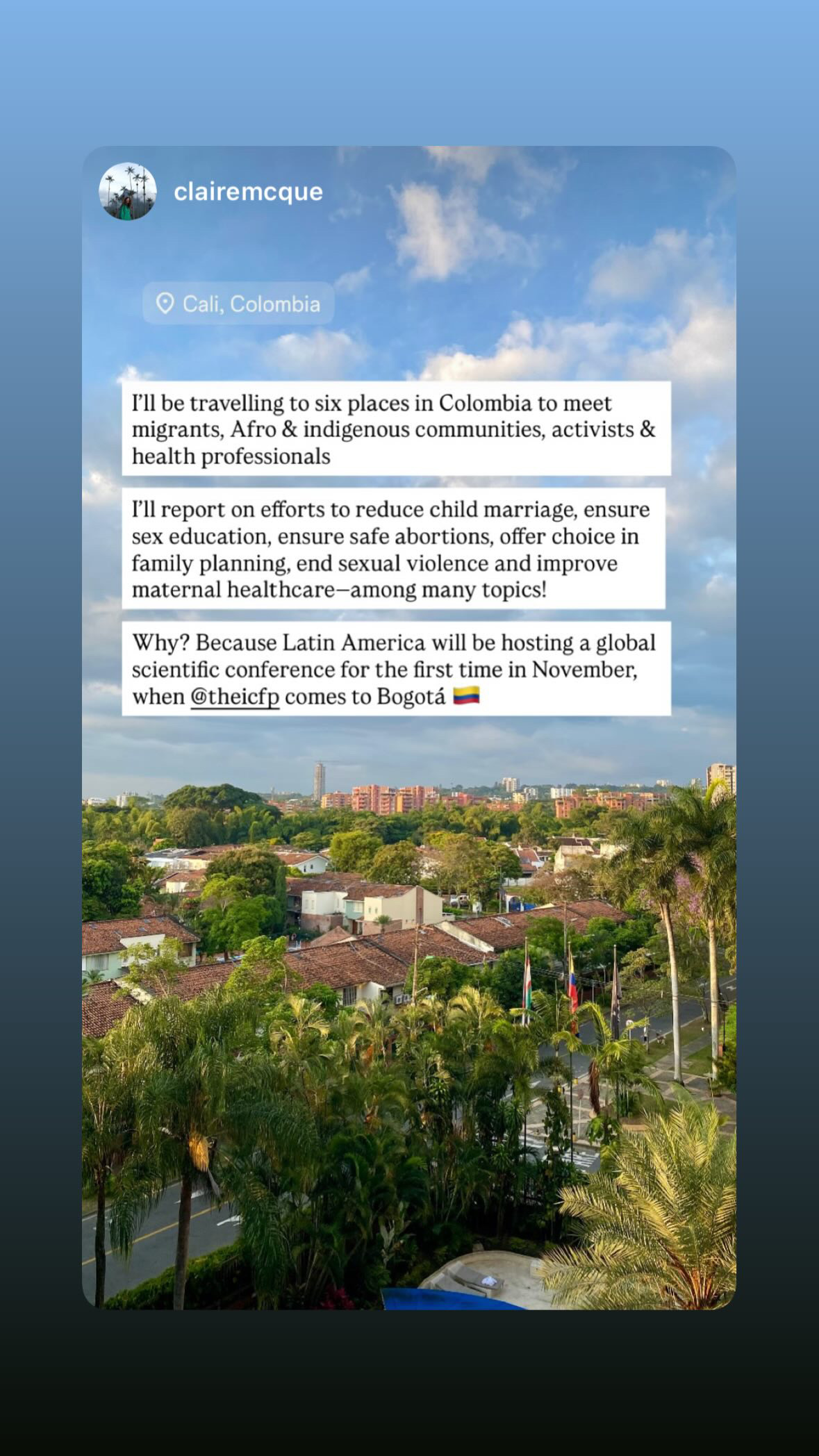
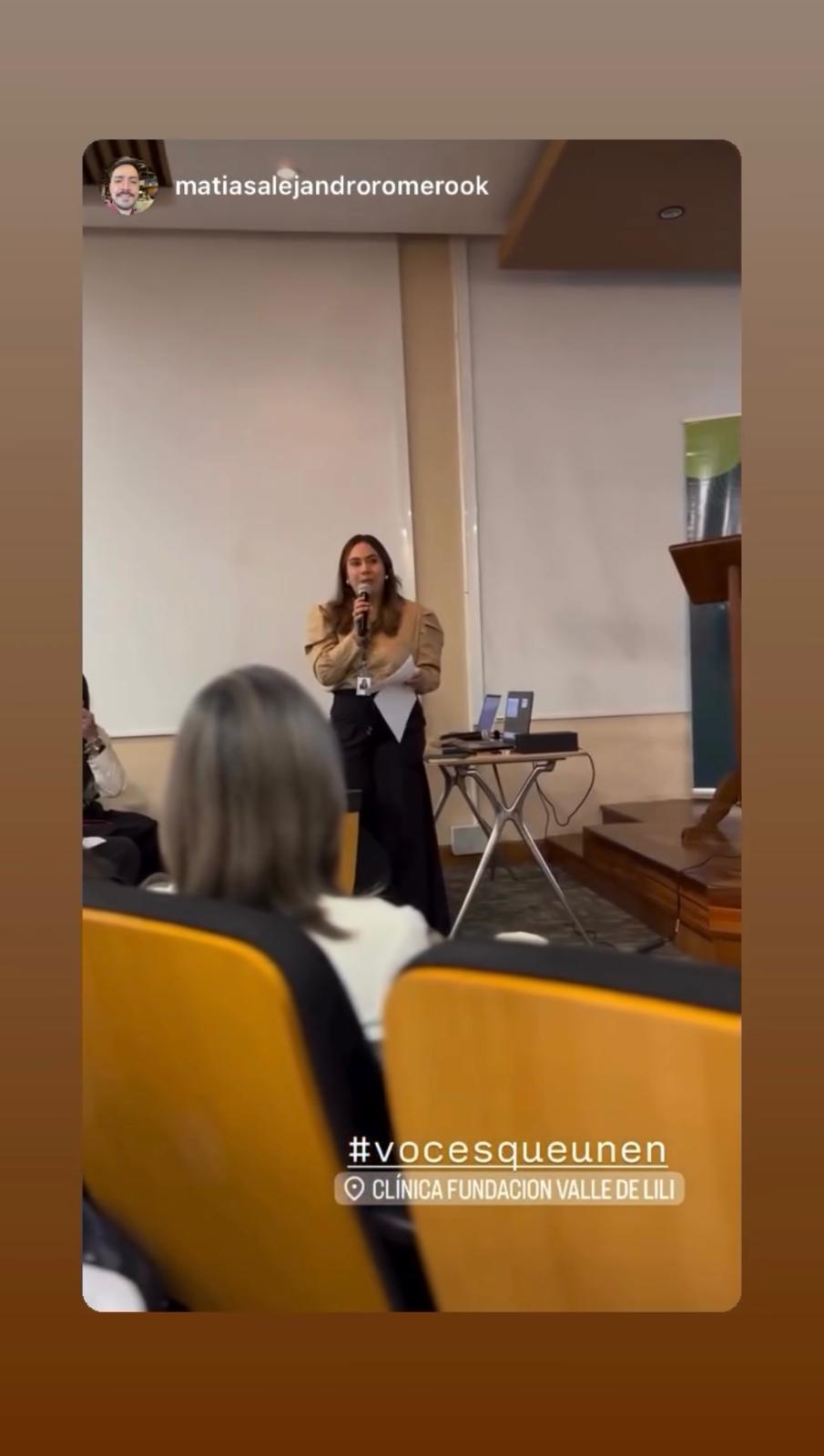
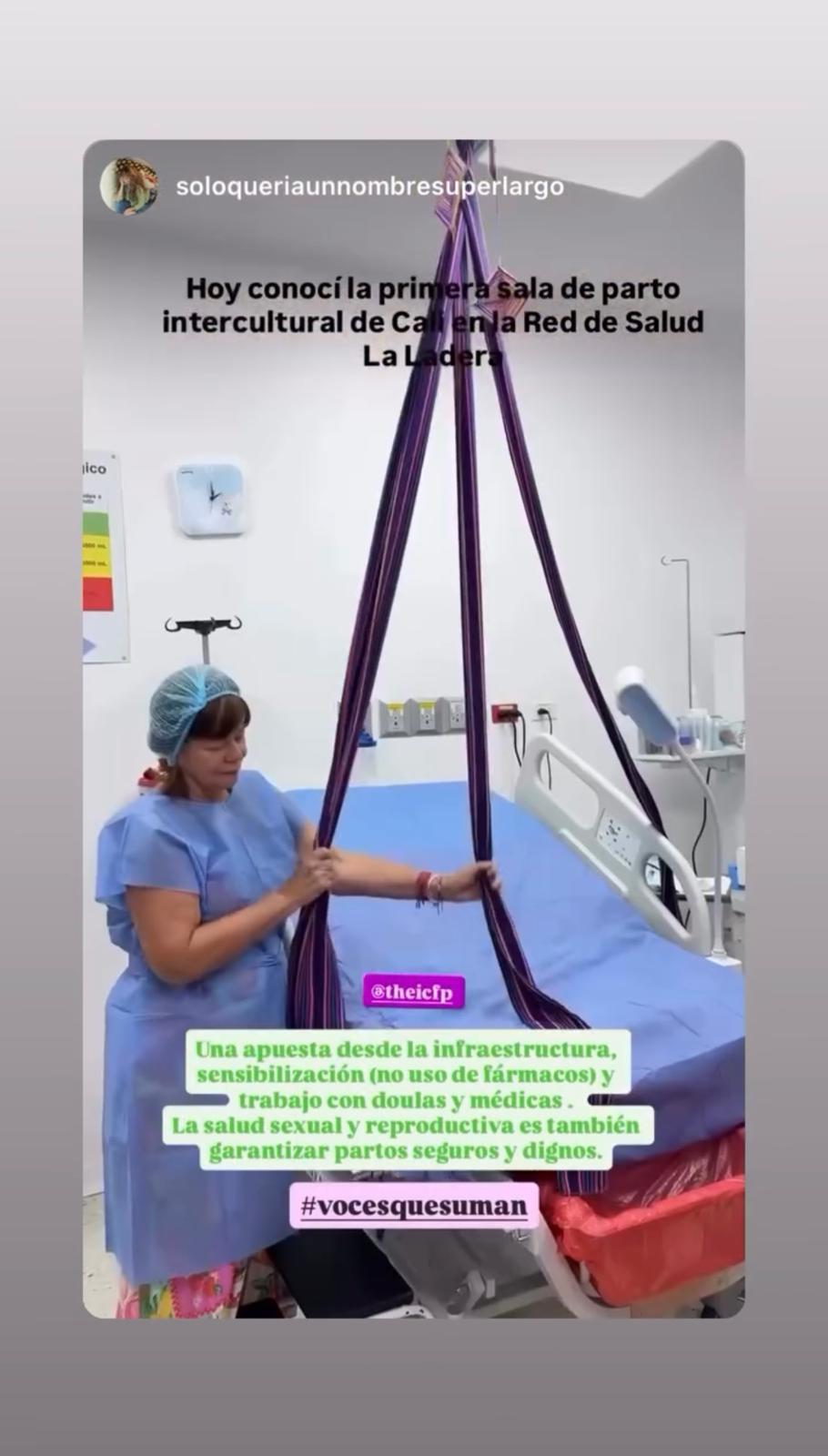
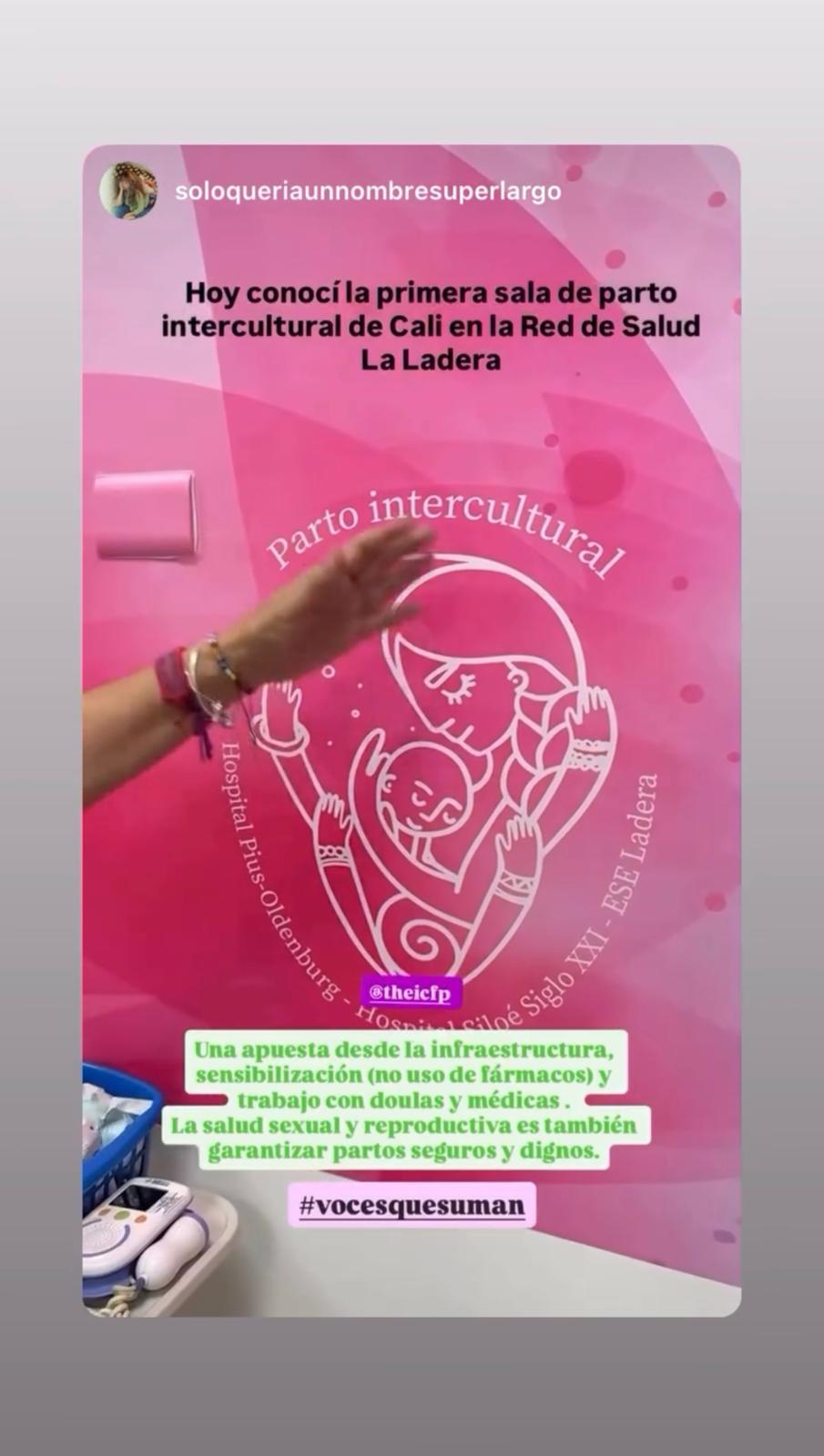
From Cali with Love
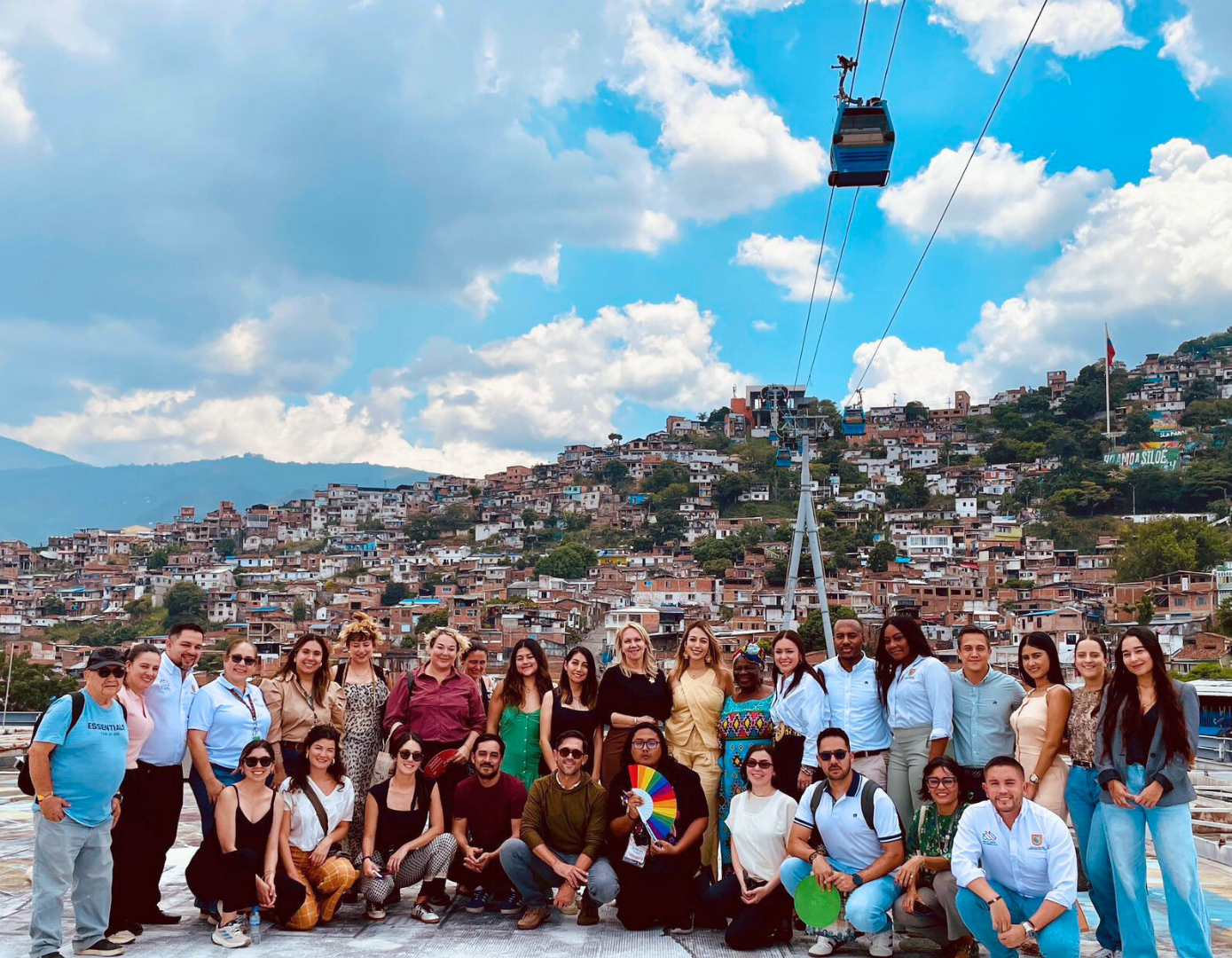
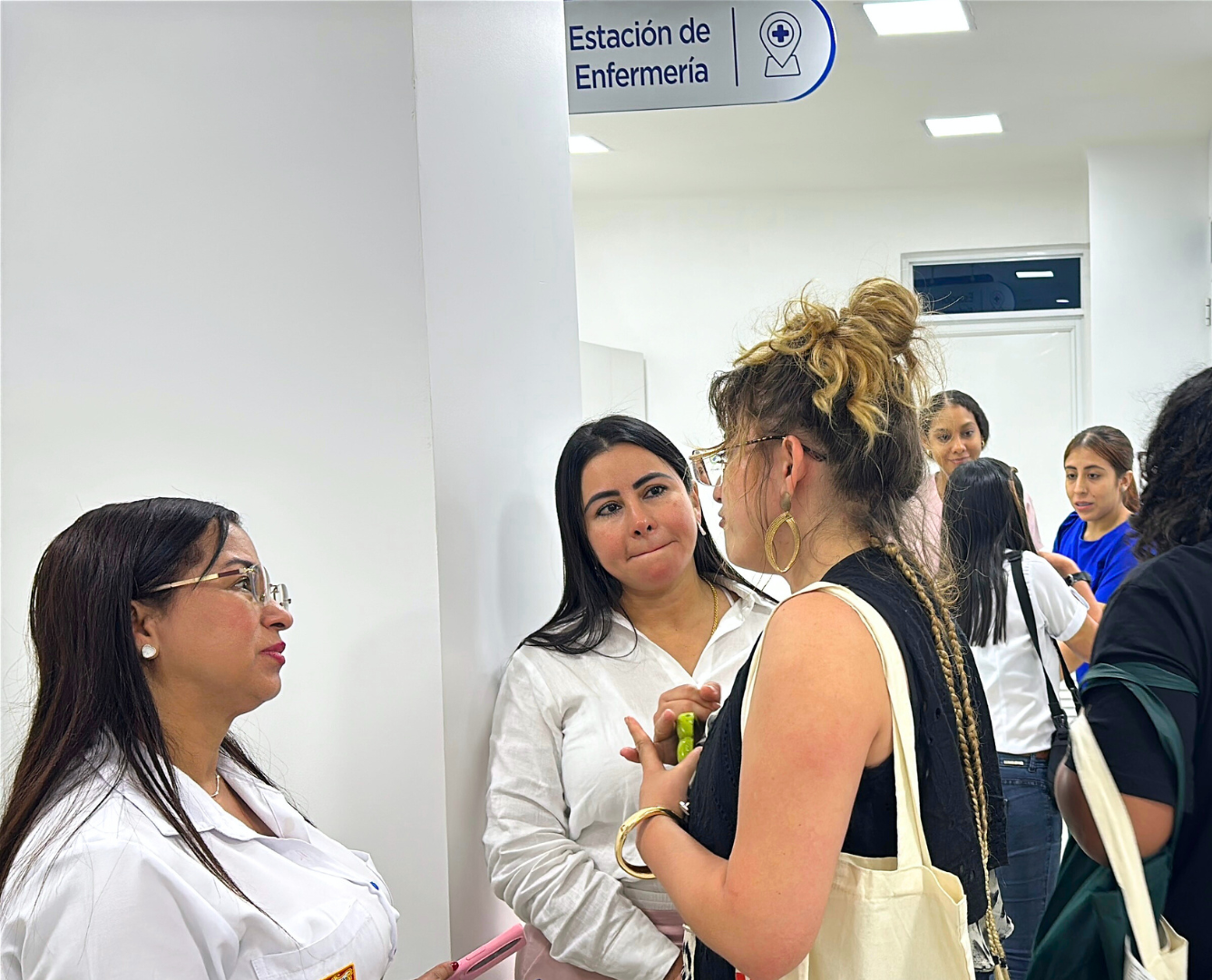
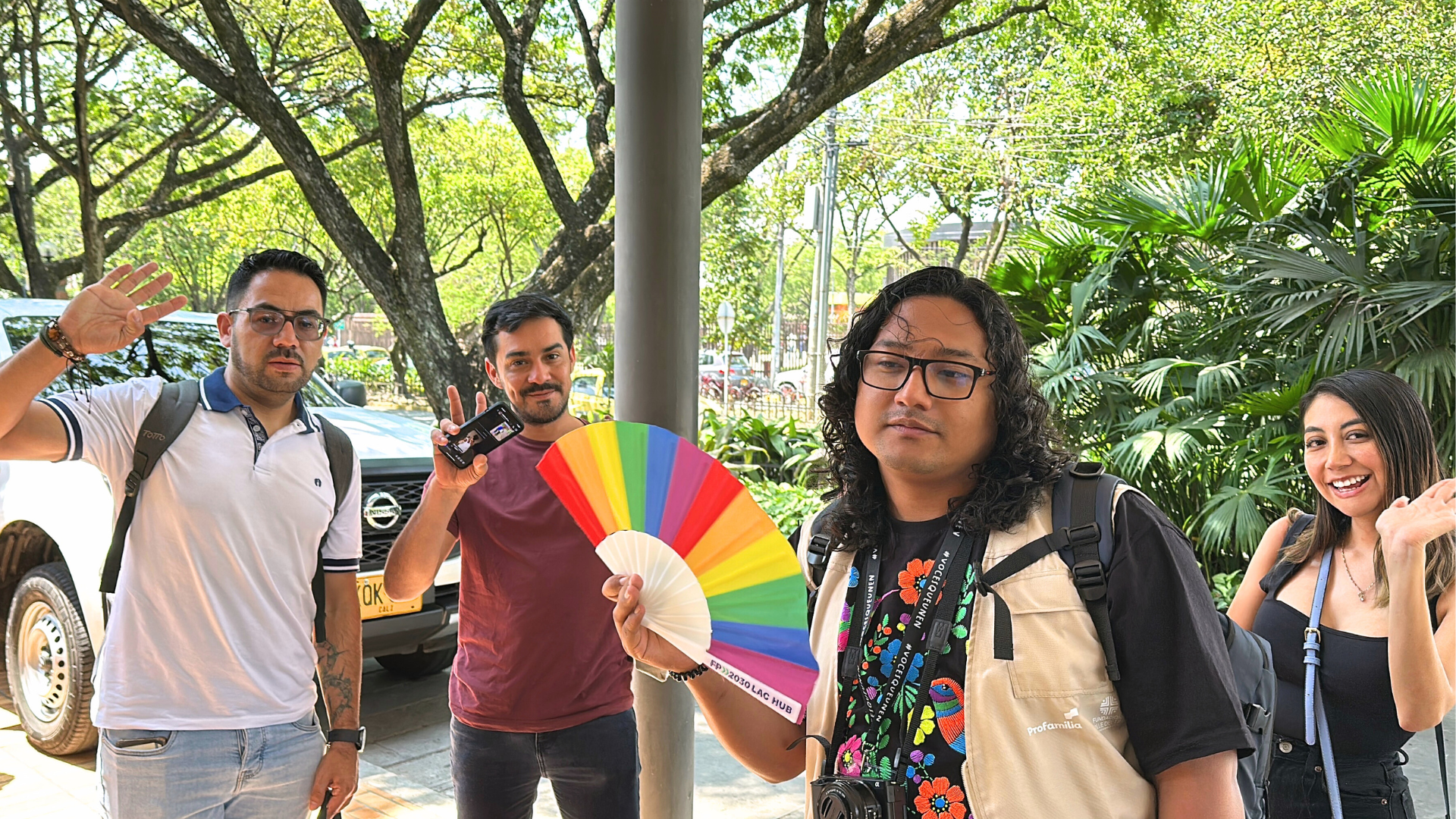
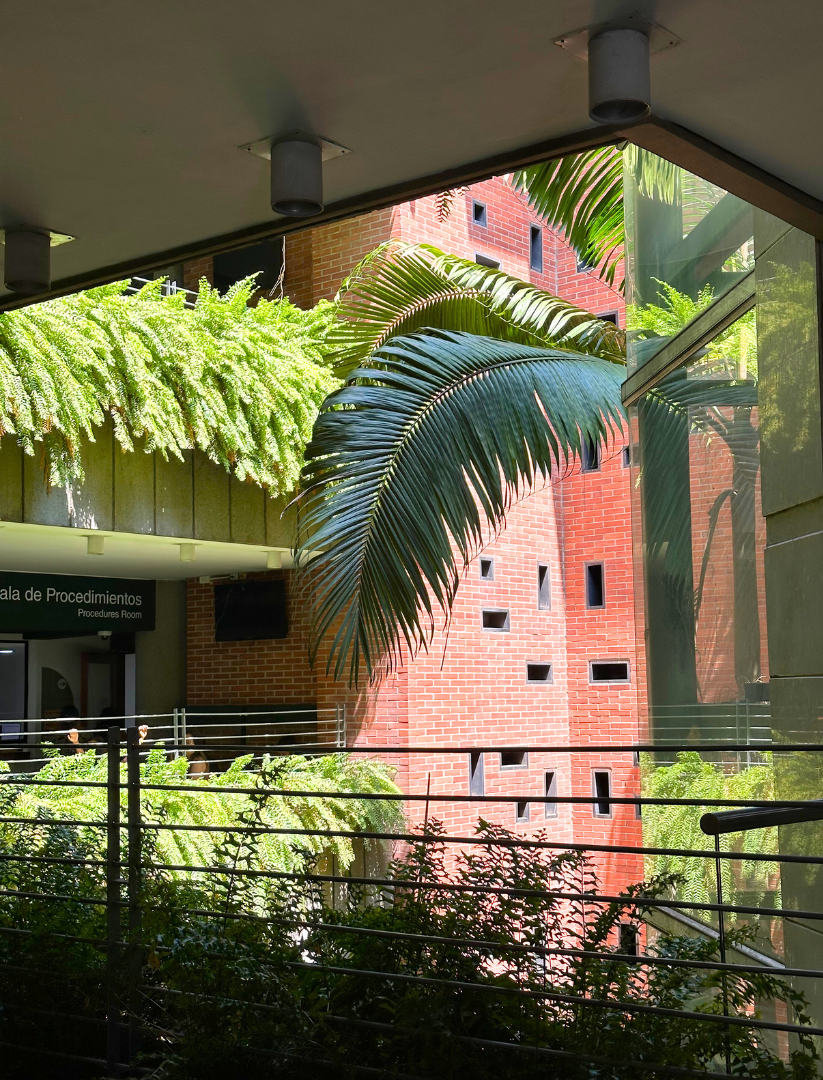
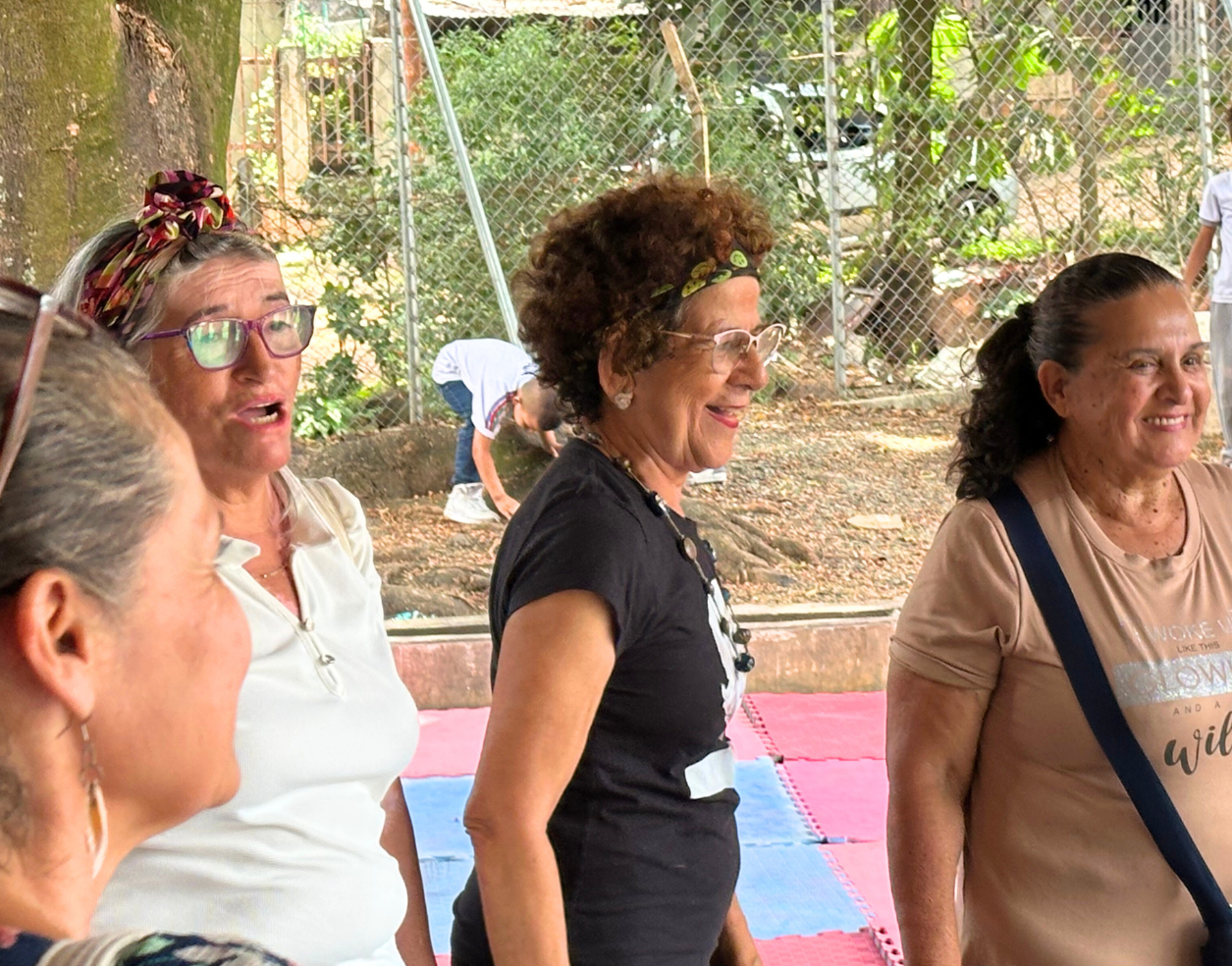
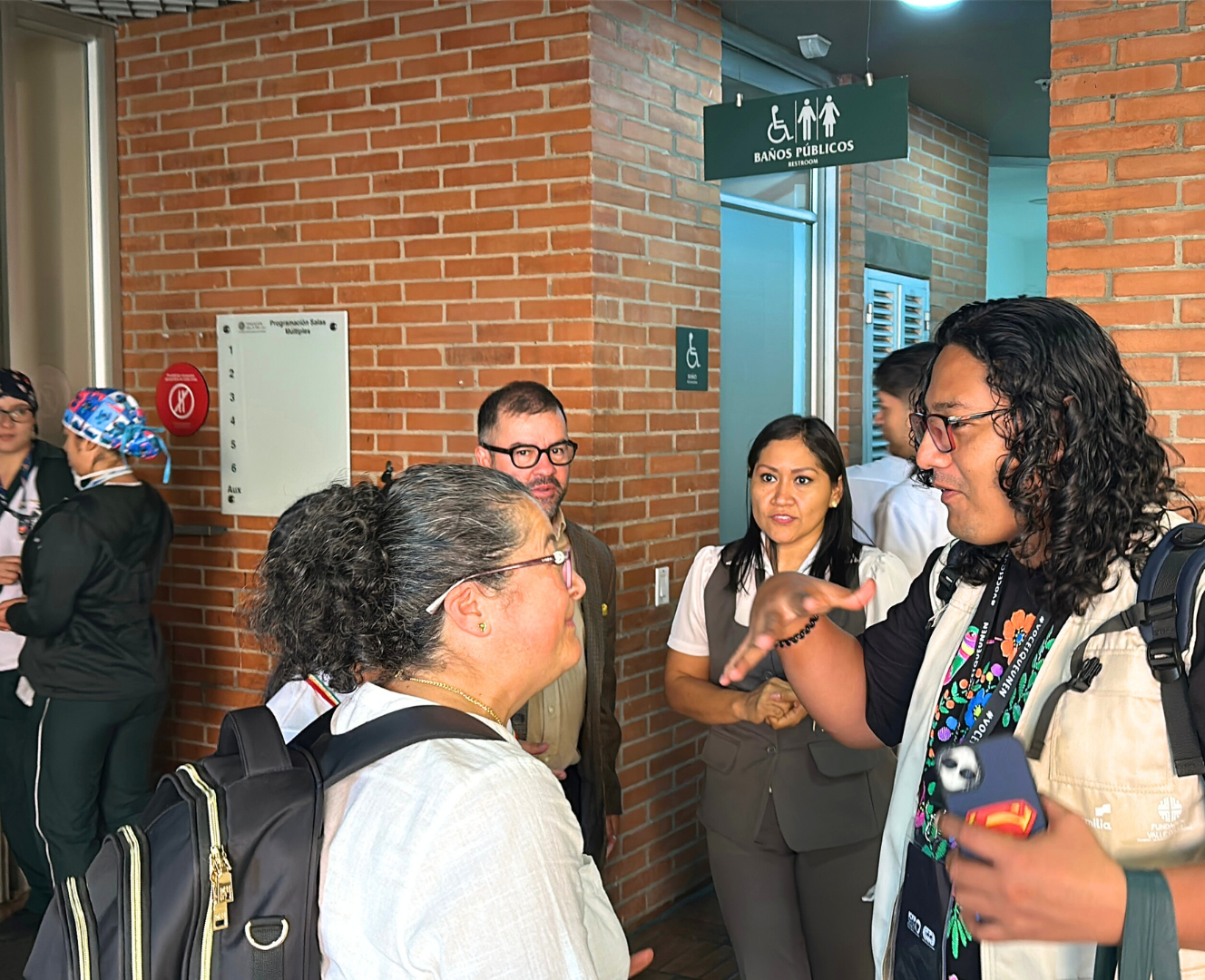
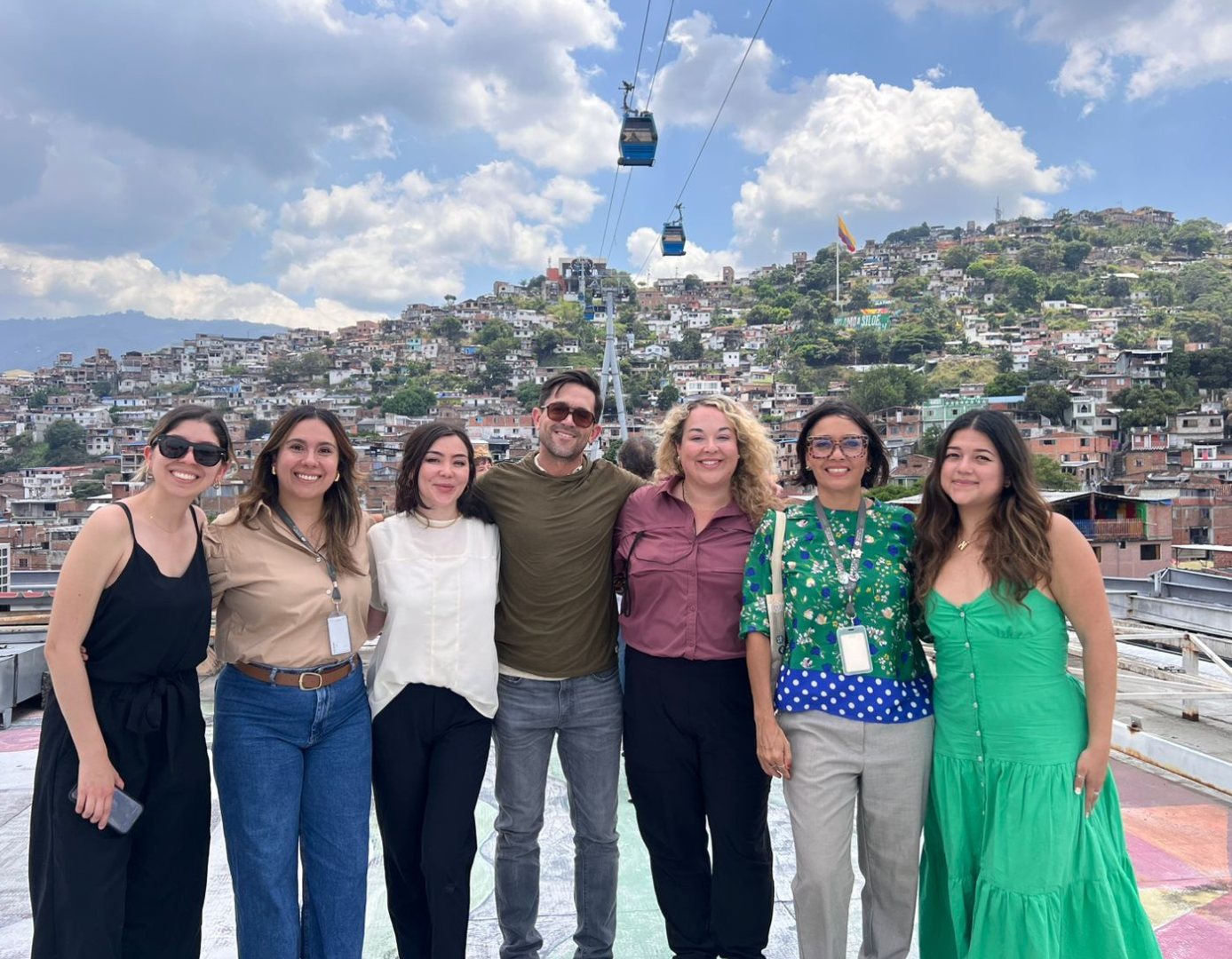
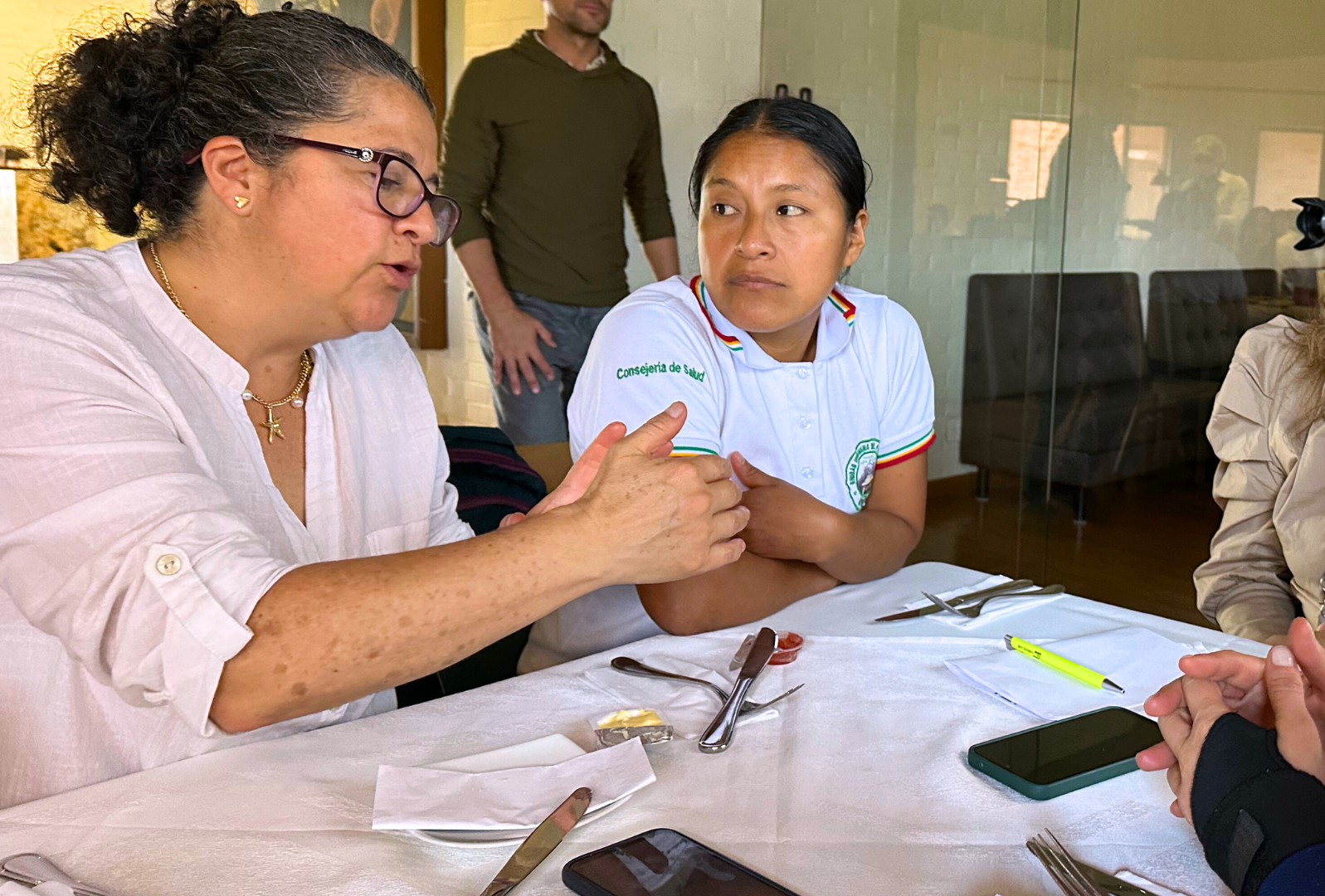
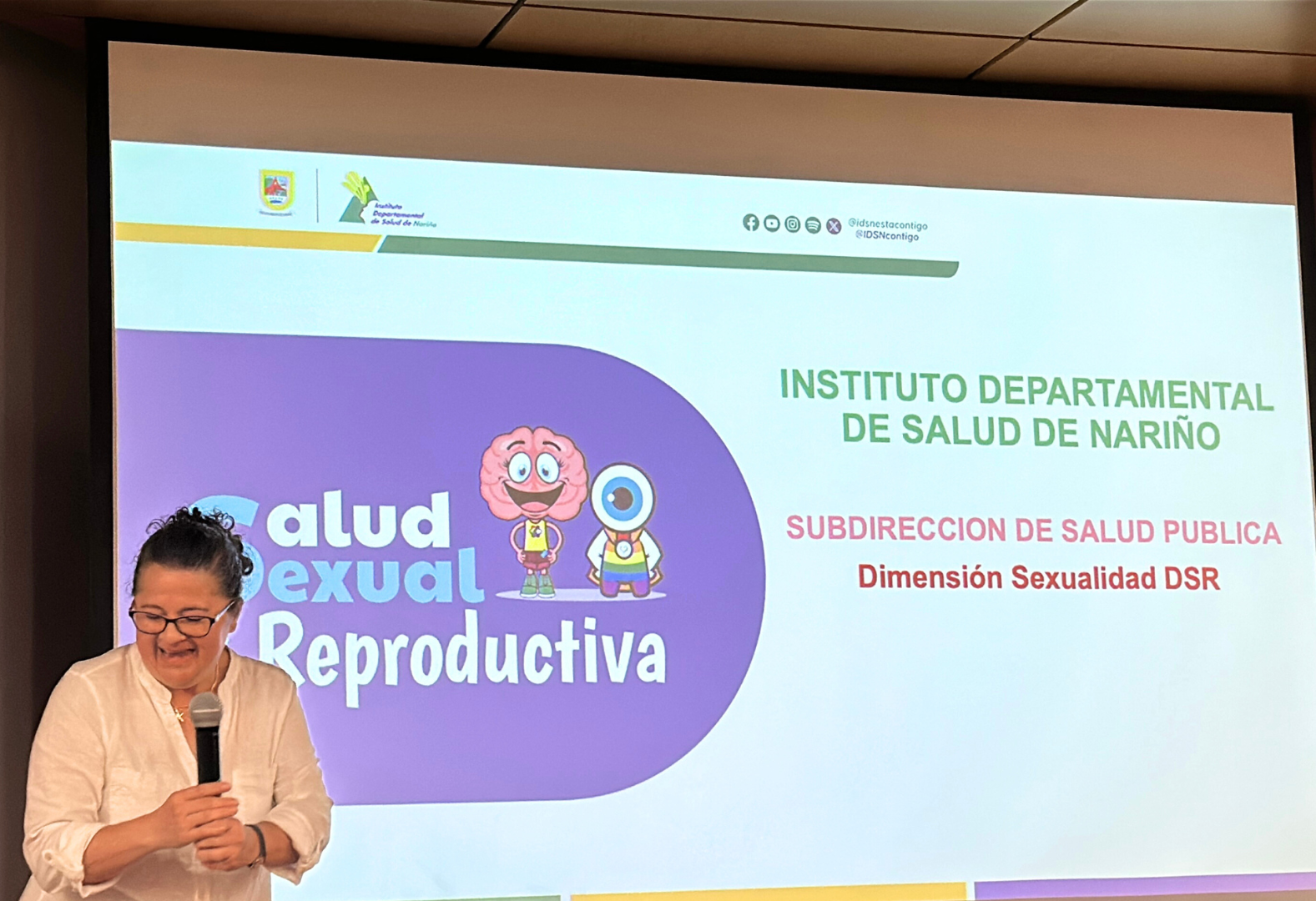
See snapshots from our time in Cali where community members shared their stories with FPNN journalists ⬇

Stories from the FPNN journalists →
Giving Birth with Dignity: Ancestral Knowledge That Saves Lives
By Emmanuel Rivas
"The intercultural health approach doesn't seek to replace ancestral knowledge , but rather to complement it"
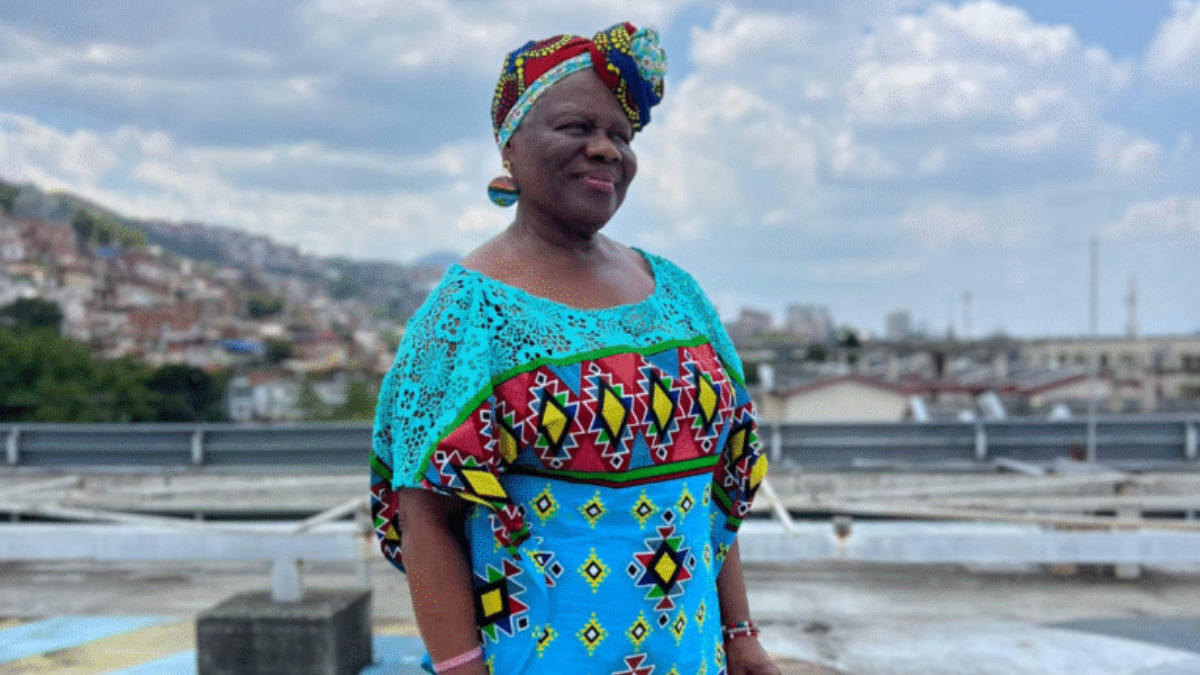
Giving Birth in the Jungle and the Desert: The Midwives Who Save Lives in Nariño and La Guajira
By Luisa Fernanda Orozco
"...the survival of a woman and her baby often depends on a cell phone with intermittent signal, a network of indigenous life messengers, and knowledge that combines tradition and Western medicine."
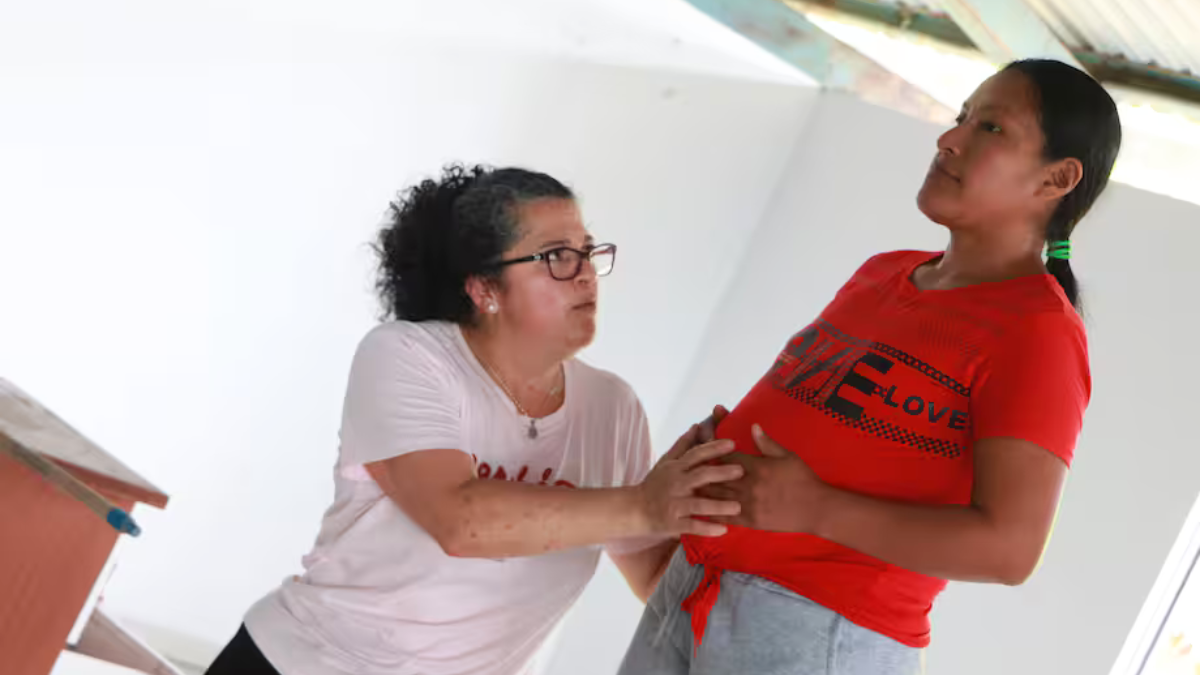
Voices That Unite: A Journey Through Family Planning in Colombia
By Laura Gutiérrez
"Living in that place meant understanding that culture and medicine can go hand in hand."
Related Resources →
#ICFP2025 is Here
ICFP is for Everyone. There's still time to register for this year's conference happening 1–6 November in Bogotá, Colombia! Make connections, find solutions, and join the global SRHR conversation at ICFP.
Can’t make it in person? No problem. You can register to attend ICFP 2025 in person or virtually—and don’t miss ICFP LIVE, our completely free content open to all!
FPNN Amplifies Solutions
The Family Planning News Network (FPNN) is a global platform connecting journalists and communities to share local stories and solutions in SRHR—driving dialogue, understanding, and action.
Want to get involved? FPNN is looking for partners to help expand this work. You can also join the network as a community reporter today!